 All Dry Services of Seattle

 60 Min Response Time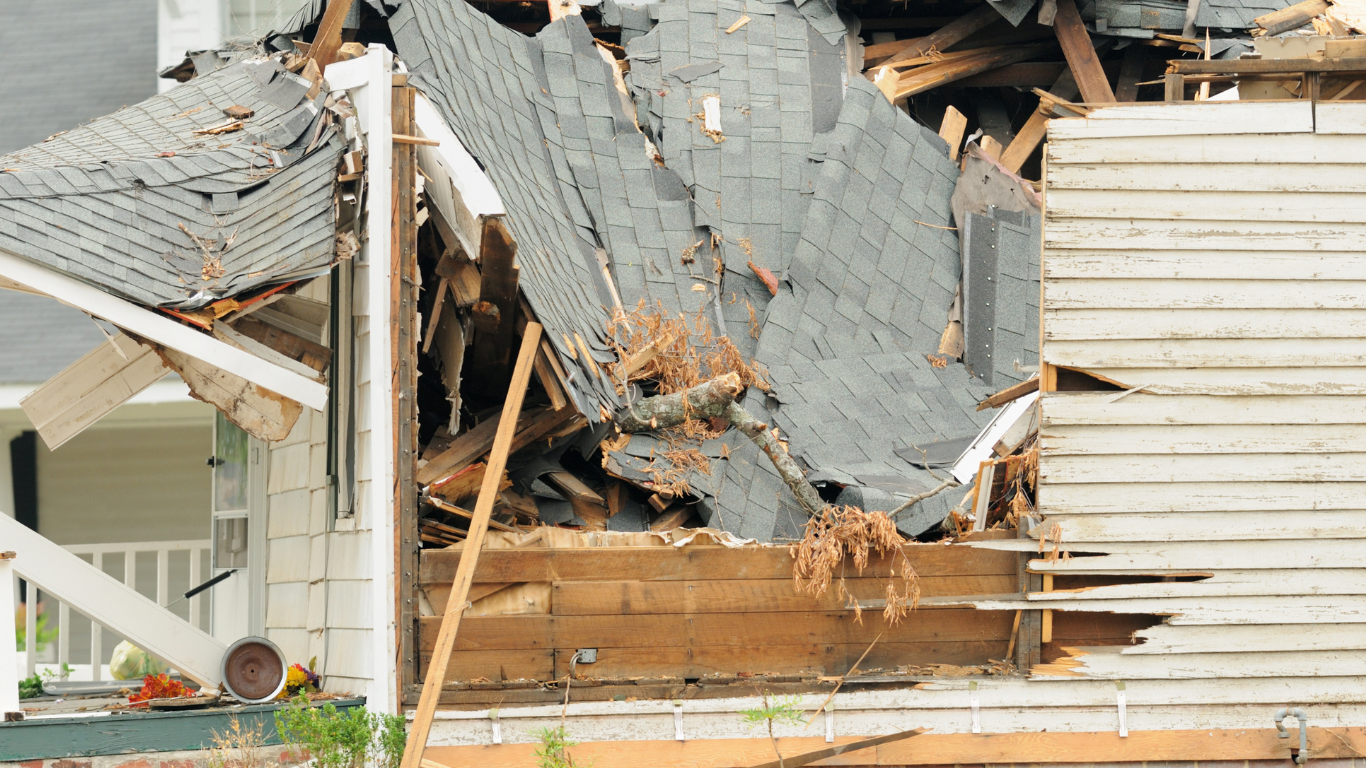
Storm Damage Restoration in Seattle with Emergency Board-Up, Water Extraction, and Cleanup
When that happens, storm damage restoration services in Seattle are less about appearances and more about stopping the chain reaction that leads to bigger repairs. The stressful part is that storm damage rarely presents as a single, clean problem. You might need emergency board-up right away, then water extraction, then cleanup and drying, and sometimes mold remediation if moisture lingers. The good news is that with the right steps, you can protect your home or business, reduce loss, and get back to normal sooner.
Why does storm damage in Seattle escalate so quickly?
Seattle’s mix of heavy rain, gusty wind, and occasional freezing conditions creates a perfect setup for hidden damage. Even if the storm passes in a few hours, the moisture it leaves behind can keep working for days.
Common ways storm damage spreads include:
- Wind openings like broken windows, damaged siding, or shifted roofing that let water in with every new shower.
- Water intrusion into insulation, drywall, and subfloors, where it’s hard to see but easy for mold to grow.
- Electrical and safety risks when water reaches outlets, panels, or appliances.
- Odors that develop when wet materials sit too long, sometimes requiring professional odor removal later.
It’s also common for one event to trigger multiple service needs. A roof leak may start as water damage restoration, then turn into mold removal & remediation if the attic stays damp. A storm-related power issue can cause sump pump failure and lead to flood damage restoration. The earlier you interrupt the process, the less you typically have to rebuild.
Storm damage restoration Seattle homeowners rely on when every hour counts
After a storm, the first goal is simple: prevent further damage. That’s where emergency board-up, water extraction, and cleanup come in. They’re not “nice to have” steps, they’re the difference between a contained incident and a long, expensive restoration.
Emergency board-up to secure your property
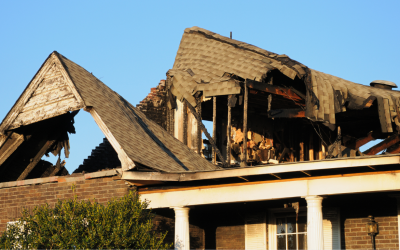
The security of your property is compromised if wind damage causes a window to break, a door to misalign, or debris to penetrate the building’s exterior wall. The board-up system helps secure your property.
- Keep rain and wind from driving deeper into the structure
- Reduce the chance of theft or unauthorized entry
- Stabilize damaged openings until permanent repairs can be arranged
Even small openings can cause significant water intrusion during Seattle’s steady rainfall. Securing the building early often prevents additional water damage restoration needs later.
Water extraction to stop soaking and swelling
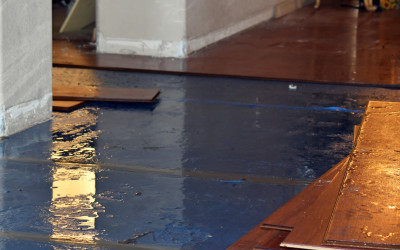
Standing water and saturated materials don’t just “dry out” safely on their own. Water can wick upward into drywall, spread under flooring, and soak into framing. Professional water extraction focuses on removing as much water as possible as quickly as possible to reduce:
- Warping in wood floors and baseboards
- Delamination of cabinets and countertops
- Damage to carpet padding and subfloor
- Risk of microbial growth
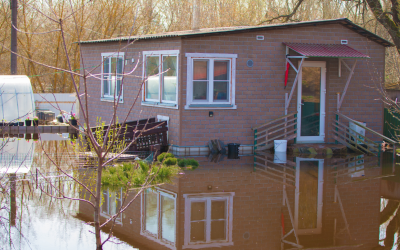
This step is especially important after storm-related flooding, which may require flood damage restoration depending on the source of the water and the extent of the flooding.
Cleanup and controlled drying to prevent mold and odor
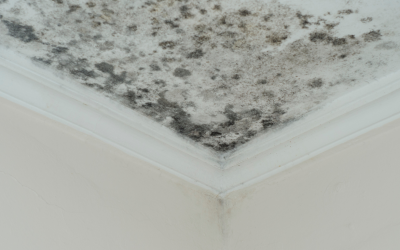
Cleanup isn’t just mopping and hauling debris. It’s the careful removal of unsalvageable wet materials, cleaning affected surfaces, and establishing drying conditions to prevent moisture from becoming trapped. When moisture lingers, mold can begin to grow quickly, often in places you can’t see, like behind baseboards or under vinyl flooring.
If mold is present or likely, mold removal & remediation become part of the solution. But if the smell of moisture still lingers despite drying, then odor elimination becomes necessary to return the room to its pleasant state.
What to do immediately after a storm hits your home or business
No edon’tise is required to make sound decisions. Some simple steps can lower the risk before restoration.
1) Prioritize safety first. If there’s structural damage, downed lines nearby, or water near electrical outlets, keep people out of the area. When in doubt, wait for professionals.
2) Stop the source if you can. If water is actively entering through a broken window or roof opening and it’s safe to do so, it’s a good idea to use a bucket, move valuables, and contain what you can. Avoid climbing onto wet roofs.
3) Document what you see. Take photographs and brief video recordings of rooms with damage, exterior areas damaged, and locations with standing water. This can be helpful later
4) Don’t assume it’s “just a little water”. If water has reached drywall, flooring edges, or insulation, this results in more extensive damage than what is visible. The process of water damage restoration, along with leak detection services, will help identify concealed areas where moisture is present.
5) Act quickly if sewage is involved. Storms can overwhelm sewer systems. If you notice foul odors, dark water, or backups, treat it as a contamination risk and seek professional sewage cleanup.
Commercial restoration can help reduce downtime by efficiently addressing water, odors, and affected materials, especially when customer areas or inventory are at risk.
How professionals solve the bigger storm damage problem
Storm restoration is most effective when it’s handled as a cited problem rather than as separate tasks. Water can travel, smoke-like odors can spread, and moisture can hide. A professional approach typically focuses on finding what’s affected, fixing it, and restoring it in the right order.
Depending on what the storm caused, the solution may include:
- Storm damage restoration to address wind and rain impacts and prevent further intrusion
- Water damage restoration for leaks, wet building materials, and indoor water spread
- Leak detection when the leak source is not immediately apparent (e.g., roof or flashing leak)
- Flood damage restoration when water originates from an external source or covers large surface areas
- Mold removal & remediation if moisture has lingered or growth is discovered
- Odor removal for persistent damp, musty, or contaminated smells
- Sewage cleanup when backups or contaminated water are involved
- Commercial restoration for offices, retail spaces, and other business properties needing fast stabilization
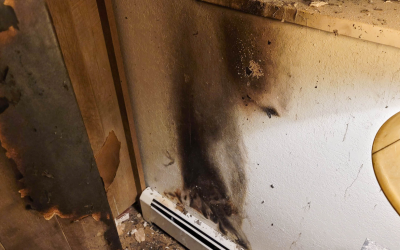
And while storms are the focus here, it’s worth noting that some “storm events” trigger other emergencies. Lightning strikes, downed power lines, or generator issues can cause fires and smoke. In those cases, fire and smoke damage restoration may also be needed to remove residues and restore indoor air quality.
Seattle-specific trouble spots to watch after wind and rain
Storm damage patterns in Seattle often repeat, especially in older homes, hillside properties, and buildings with complex rooflines. Keep an eye on:
Attics and crawl spaces. Such places may accumulate water slowly. Even a tiny roof leak can soak the insulation and pose a future mold threat.
Window frames and sliding doors. Wind-driven rain can bypass worn seals and later appear as bubbling paint or soft drywall.
Ceilings below valleys and skylights. These are common leak zones during heavy rainfall, even when the roof looks fine from the ground.
Storm damage in Seattle can escalate quickly, but with the right restoration team, you can stop the damage in its tracks, minimize further loss, and get back to normal faster. Don’t wait until it’s too late, contact the experts to restore your peace of mind today.
To stay current with us, please follow our Facebook page.