 All Dry Services of Seattle

 60 Min Response Time
Mold Remediation in Kirkland for Preventing and Removing Mold After Water Damage
If you live in Kirkland, you’re no stranger to our rainy, wet climate. While it keeps the scenery green and beautiful, It also makes it a great place for mold to grow. Water damage can easily lead to mold issues, which can affect your home’s structure and your health. That’s where mold remediation in Kirkland comes in. In this article, we’ll break down the causes of mold, how to get rid of it, and what you can do to prevent it after water damage.
Why Mold Grows in Kirkland Homes: Understanding the Causes
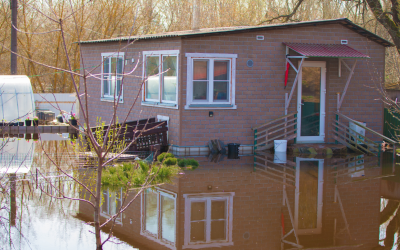
Kirkland’s rainy season is no joke. Heavy rain and humidity can let moisture into your home. This creates a perfect place for mold to grow. Burst pipes, roof leaks, and flooding are usually the cause of water damage. A blocked drainpipe can allow water to enter your home. This water makes things damp. Dampness helps mold grow.
The danger is that mold can start growing within 24 to 48 hours of water exposure. So, if your home has suffered water damage, mold remediation should be a priority. The longer you wait, the harder it becomes to deal with the mold, and the more damage it can cause to your property.
The Dangers of Mold: Health Risks and Structural Damage
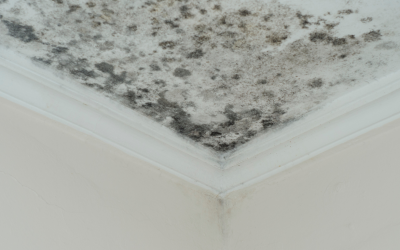
Mold is not only unappealing but can also be dangerous to your health. It may cause people to develop allergic reactions or suffer from asthma attacks and other breathing problems. If you live with mold, you might experience symptoms such as coughing, sneezing, and irritation in your eyes, nose, or throat. Mold spores can trigger allergies, asthma attacks, and even more serious respiratory problems. Mold exposure can cause symptoms such as coughing, sneezing, and irritation of the eyes, nose, or throat.
Besides posing a risk to your health, mold can also compromise the structural integrity of your home. It can lead to rotting of the wood, damage to the drywall, and even issues with your flooring.
Mold Remediation Process: How We Remove Mold and Prevent Its Return
1. Initial Inspection and Assessment
The first process in the mold removal procedure in Kirkland is an inspection of your property. At our company, All Dry Seattle, we use moisture meters and thermal imaging to detect hidden water and mold. We examine areas such as the basement, attic, and crawlspace, where mold thrives.
2. Containment and Preparation
Once we’ve identified the areas affected by mold, we immediately take action to mitigate its spread. This process ensures that the spores do not spread to other rooms within the house. We employ plastic sheeting and negative air pressure systems to create containment zones to prevent cross-contamination.
3. Mold Removal Techniques
When it comes to mold removal, we don’t take shortcuts. We ensure that all areas contaminated by mold are cleaned thoroughly, without fail, using the appropriate cleaning agents and equipment. In some cases, depending on the type of material infected with mold, we may need to tear down the wall, insulation, or even the floor.
4. Drying and Dehumidification
One of the most important steps in mold remediation is drying out the area. Even if you manage to get rid of the visible mold on surfaces, it may still be present inside walls and floors. Drying is done by our professional team using special equipment.
5. Cleaning and Disinfecting
Once the mold has been removed and the surface is dry, we will clean and sanitize all surfaces to prevent further contamination by spores. This is an important process since it prevents any future contamination.
6. Post-Remediation Verification
To ensure there’s no mold in your house, we will conduct an air quality test after the remediation. We do this to confirm that all mold spores are gone, ensuring your air is clean to breathe. We will share the results of our testing with you for added peace of mind.
Preventing Mold After Water Damage: Proactive Steps for Homeowners in Kirkland
Although mold remediation works, preventing mold from forming in the first place is always preferable to tackling the problem later. The following are some ways to prevent mold formation after water damage:
- Fix leaks promptly: Any kind of leakages from pipes or home appliances can give rise to severe issues related to mold formation in the future.
- Improve ventilation: Make sure your home is well-ventilated, especially in areas like bathrooms, kitchens, and basements. Use exhaust fans to reduce moisture levels.
- Install a sump pump: If your basement is prone to flooding, consider installing one to keep water out.
- Use a dehumidifier: Especially during the rainy season, a dehumidifier can help keep moisture levels in check, preventing mold growth.
- Seal cracks and gaps: Inspect your home for cracks in the foundation, around windows, and near pipes. Seal them to keep water from sneaking in.
How All Dry Seattle Can Help
At All Dry Seattle, we specialize in mold remediation in Kirkland. Our team is trained to handle water damage and mold removal efficiently, restoring your home to a safe, dry condition. We understand how stressful water damage can be, so we make the process as smooth as possible. Whether it’s a leaky pipe or a big storm, we’re here to help.
Taking Action Before Mold Takes Over
Mold doesn’t wait around, and neither should you. If you’ve experienced water damage, take action immediately to prevent mold from taking hold. Mold remediation in Kirkland is an essential part of the water damage recovery process. With the help of All Dry Seattle, you can get your home back to normal and keep it mold-free. Reach out today for a thorough inspection and expert remediation services.
To stay current with us, please follow our Facebook page.