 All Dry Services of Seattle

 60 Min Response Time
Commercial Restoration in Seattle to Minimize Downtime After Water, Fire, or Storm Damage
When damage hits a business, the first question is rarely “How bad is it?” It’s “How fast can we get back to normal?” In Seattle, water, fire, and storm events can quickly disrupt operations. So, having a plan for commercial restoration in Seattle is crucial.
No matter if you manage an office, store, restaurant, warehouse, or multi-tenant building, a quick response can reduce downtime, prevent more damage, and keep everyone safe. Here’s a practical overview of commercial restoration. It covers what to do first and how various services connect when time is limited.
Why downtime gets expensive fast in Seattle
Seattle has heavy rain. Its old infrastructure and crowded buildings lead to business interruptions. A small leak can spread into multiple suites. A storm can push water into basements and loading areas. A small kitchen fire can cause smoke odors. These smells can stay long after the flames are gone. They might drive customers away.
Downtime costs aren’t just lost sales. They often include:
- Loss of employee productivity and changes to the schedule
- Damage and spoilage of inventory
- Tenant complaints and possible issues with the lease
- Health and safety risks from smoke, moisture, or sewage left behind
- Longer times to rebuild if the damage isn’t fixed quickly
The goal of commercial restoration isn’t only to repair what’s broken, it’s to stabilize the environment quickly so your operations can resume safely.
Commercial restoration in Seattle starts with the right first steps.
The first 24–48 hours are where downtime is either minimized or multiplied. You can protect the property right away. You don’t have to wait for an adjuster or building management. Take these measures now:
1) Make the site safe
The most important thing is to put up safety barriers to prevent unauthorized entry into dangerous areas. When water builds up near electrical systems, storms damage ceilings, and materials are damaged by fire, many dangerous situations can lead to serious injuries. You need to limit access while you write down what is going on right now.
2) Stop the source when possible
The correct valve needs to be closed during the water event to prevent additional water saturation for multiple hours. The system uses Leak Detection to identify concealed pipe leaks, equipment failures, and roof water entry points. The system performs its function through non-destructive methods.
3) Begin mitigation, not just cleanup
Mitigation is what prevents secondary damage. For example, quick Water Damage restoration isn’t only about removing water, it’s about drying building materials, controlling humidity, and preventing conditions that can lead to mold growth or warped flooring.
What to expect after water or flood damage
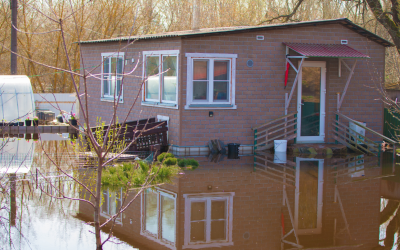
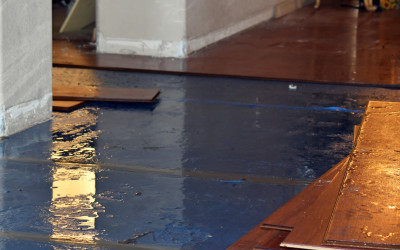
Water problems in commercial spaces often start small and spread quietly. A slow wall leak will keep insulation wet for multiple days. A pipe burst during the weekend can cause flooding in several rooms before people notice the problem. In some areas, heavy rain can cause drainage overflows, prompting the need for immediate flood damage restoration services.
Effective response usually includes:
- Water extraction and removal of unsalvageable materials
- Structural drying with professional equipment
- Moisture checks to confirm affected areas are actually dry
- Targeted repairs planning once conditions are stable
The main cause of system failures is facilities attempting to restart operations before their complete drying process is complete. The situation creates three problems that require you to shut down your operation for now. The complete assessment process at the beginning of a project will save time by preventing delays that can last days or weeks.
How mold can follow water damage and how remediation helps
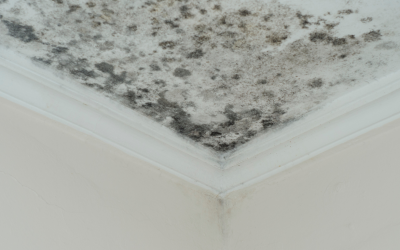
Seattle’s moist weather creates an environment where mold can grow because water remains in the air. The full “black spots” of the mold do not appear to the eye at first glance. The condition manifests as three distinct signs: a musty odor, employee complaints, and visible stains on baseboards and ceiling tiles.
Mold Removal & Remediation typically focuses on containing affected areas, removing contaminated materials when needed, and addressing the underlying moisture issue to prevent the problem from returning. For businesses, this is also about minimizing disruption, proper containment helps keep unaffected areas usable while work is performed.
If your commercial space has experienced repeated leaks, long-term humidity, or prior water damage that wasn’t fully dried, it’s worth taking musty odors and visible staining seriously.
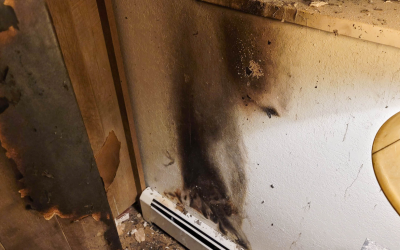
Fire and smoke damage restoration is more than removing soot.
The fire event triggers an operational shutdown because operations cannot continue until the fire is extinguished. Smoke moves rapidly through HVAC systems, above drop ceilings, and into soft goods. Soot can damage metal surfaces and destroy electronic devices. The odor persists because it lingers on surfaces that appear clean.
Fire damage restoration involves:
- Removing damaged materials
- Cleaning soot from surfaces
- Stabilizing the property
These steps help ensure rebuilding can proceed smoothly.
Smoke poses its own challenges. Smoke Damage Restoration addresses residues and contamination that can spread throughout the building. To return to business quickly, separate what needs replacing from what can be fixed. Also, deal with smoke damage early. This way, you won’t reopen in a space that still smells like fire.
Storm damage restoration and the hidden trouble spots
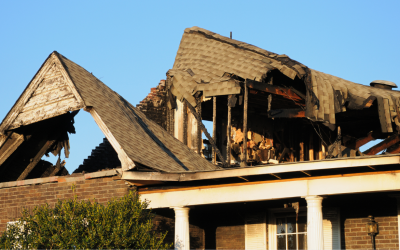
Storm events don’t always look catastrophic at first glance. A roof intrusion can drip into insulation and ceiling cavities. Wind-driven rain can enter around windows and door frames. And clogged gutters can push water back into the building envelope.
Storm Damage Restoration is most effective when it includes careful inspection and moisture mapping, not just drying what’s visible. The hidden trouble spots are usually what create the biggest downtime later, especially when ceiling tiles fail, walls swell, or mold develops behind finished surfaces.
Sewage cleanup and odor removal when the problem is both messy and urgent
Some commercial incidents require an immediate, specialized response due to health and safety concerns. Backup events and contaminated water can affect restrooms, kitchens, basements, and ground-floor suites. In those cases, Sewage Cleanup is critical for sanitation and safe occupancy.
Even after surfaces are cleaned, lingering smells can keep customers away and make employees uncomfortable. Odor Removal helps address odors at their source rather than masking them, which is especially important after smoke events, long-standing water damage, or sewage incidents.
Actionable ways to minimize downtime before the next incident
You can’t stop every emergency, but you can respond faster. That often helps protect revenue. Here are a few practical steps that help commercial properties recover faster:
- Know your shutoffs: Identify the locations of water shutoffs and who has access after hours.
- Document your space: Keep photos of key areas, equipment, and inventory up to date to speed up claims and replacement decisions.
- Fix small leaks quickly: Early Leak Detection and repairs can prevent a minor issue from becoming a major closure.
- Plan for critical operations: Decide in advance what areas must reopen first (front-of-house, server room, shipping, etc.).
- Don’t ignore “just a smell”: Musty or smoky odors often signal ongoing moisture or residue problems that can worsen over time.
If you manage multiple locations or tenants, consider standardizing your response steps so staff don’t have to improvise during a stressful event.
How commercial restoration ties all services together
Commercial restoration is a team effort. It often includes:
- Water damage restoration
- Flood damage restoration
- Mold removal and remediation
- Fire damage restoration
- Smoke damage restoration
- Storm damage restoration
- Sewage cleanup
- Odor removal
Each service fixes specific problems. This helps restore properties effectively.
The best way to cut down on downtime is to stop the source, stabilize the conditions, stop secondary damage, and then start restoration work with clear priorities. When you do those things in the right order, you’re much more likely to reopen quickly and stay open.
Damage is disruptive, but it doesn’t have to derail your business for long. Seattle businesses can bounce back from water, fire, or storm damage. A quick, organized response, along with the right restoration services like All Dry Services of Seattle, can help avoid surprises. This way, they find a clearer path to return to normal operations.
To stay current with us, please follow our Facebook page.