 All Dry Services of Seattle

 60 Min Response Time
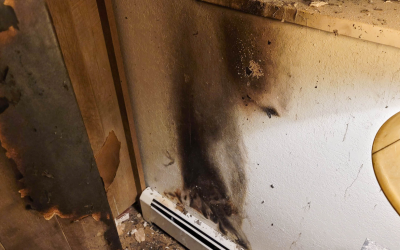
Smoke Damage Restoration in Everett, WA After a House Fire
Once a fire at your home has been put out, more destruction may still be occurring. In the event of a fire in Everett, smoke can seep into walls, HVAC systems, and attics, leaving an unpleasant odor and damaging your possessions.
If you’re dealing with smoke damage restoration in Everett, WA, it helps to know what’s happening inside your home and what steps actually stop the problem. Smoke isn’t just a smell. They include fine particles and compounds that adhere to surfaces, leave stains, and continue releasing odors until they are adequately cleaned.
Why does smoke damage get worse after the fire?
Smoke damage can look deceptively light at first. Maybe you see a small amount of soot near the smoke-damaged room, or a subtle odor that can be handled. Smoke is a gas and does not look like a dirty mess. It moves around and settles in spots you may not notice for days.
Common reasons smoke damage escalates include:
- Soot spreads with airflow from fans, open windows, or HVAC cycling on and off.
- Residue becomes harder to remove as it bonds to surfaces and absorbs into porous materials like drywall, wood, carpet, and insulation.
- Odors “bake in” when heat drives smoke deeper into materials, especially upholstery and cabinetry.
- Water used to put out the fire adds another layer of damage, creating damp conditions that can lead to mold if not dried quickly.
That is quite surprising to many homeowners because fire incidents often involve both fire and water restoration, depending on the specific situation in that house.
Smoke damage restoration Everett, WA: what it really involves
Effective smoke damage restoration in Everett, WA, isn’t a single cleaning pass. The restoration process begins by analyzing the types of smoke involved and how they spread throughout a structure. Various fires produce different residues; for example, a fire that burns quickly and intensely may yield dry soot, whereas one that burns slowly may yield greasy, sticky residue.
A thorough restoration plan typically includes:
Assessment and documentation
A professional inspection will identify the rooms involved, any possible means of escape (such as ducts and walls), and whether certain materials can be cleaned or replaced. This is where all fire damage restoration begins. Not everything is safe to save.
Containment and safety controls
Soot can be dispersed very easily. Containment is a precautionary measure to prevent pollution of uncontaminated areas.
Soot removal and surface cleaning
The process of soot cleaning involves techniques that enable soot removal without grinding it into paint, carpets, and other surfaces.
Odor removal
As the particles remain on surfaces that can absorb moisture, the smell becomes more pronounced. Removal of the smell requires the cleaning of the affected surfaces as well as the air passages.
Air quality support
Even after visible soot is gone, lingering particles can remain. A proper approach focuses on making the space comfortable and safe to occupy again.
The most common pain points homeowners face and the right fixes.
Most Everett homeowners after a fire aren’t just dealing with “damage”. They’re dealing with uncertainty. Here are the issues that tend to cause the biggest frustration, along with practical solutions.
Pain point 1: The smell keeps coming back.
You clean, air out the room, light scented candles, and/or use plugins, but the smell somehow creeps right back. This is because cigarette smells are often trapped inside porous materials or hard-to-reach places, such as:
- Insulation
- Carpet padding
- Drywall paper backing
- Cabinet interiors
- HVAC returns and ductwork
Fix: Pair smoke cleaning with targeted odor removal. If the source material can’t be effectively treated, replacement may be the only long-term solution.
Pain point 2: Soot stains and smears during cleaning
It’s incredibly common to grab a wet rag and accidentally make the problem worse. Soot is usually oily, and water will help spread it further.
Fix: Use the right removal approach for the residue type. If you’re unsure, avoid DIY scrubbing on walls, ceilings, or upholstery until you’ve had an assessment.
Pain point 3: Water damage shows up after the fire.
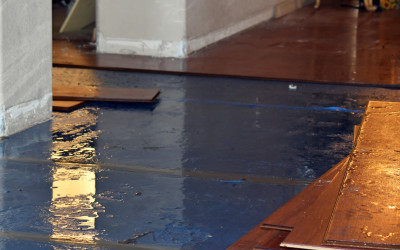
Firefighters do what they must to stop the blaze, but water can soak subfloors, seep under baseboards, and collect in wall cavities. In Everett’s damp climate, that moisture doesn’t always dry on its own.
Fix: Treat it like a real flood event. Flood and water damage restoration focuses on properly drying structural materials, not just surface drying. This also reduces the risk of secondary problems like swollen wood, warped flooring, and mold growth.
Pain point 4: Mold becomes a new concern.
Smoke residue and moisture can mix, creating conditions that favor microbial growth. If you keep the home sealed up while you decide on further action, the hazard will increase.
Fix: If moisture is present, consider mold removal & remediation as part of the overall recovery plan. Addressing damp materials early is far easier than dealing with widespread mold later.
What you can do right away while you wait for help
The first 24–48 hours matter. Even small, careful steps can reduce the spread and prevent additional damage, without putting you at risk.
- Limit the airflow that moves soot by avoiding running the HVAC system until it’s been evaluated. Keep doors to affected rooms closed when possible.
- Don’t wet-wipe soot-covered walls or ceilings. Smearing can permanently stain paint and finishes.
- Remove valuables from affected areas only if it’s safe to do so. Place items in clean, dry spaces away from soot and moisture.
- Watch for standing water in basements, crawlspaces, or low points. If you see pooling, it may require flood-damage restoration.
- Take photos of impacted areas and belongings for documentation.
If there is suspicion that plumbing problems have caused the water, whether a ruptured pipe or a heat-aggravated leak, leak detection may help identify the exact location.
How restoration services fit together after a fire
Fire recovery feels overwhelming. This is because it usually needs many services. Smoke damage restoration links to other needs. This depends on what happened during and after the fire.
Here’s how the services often connect:
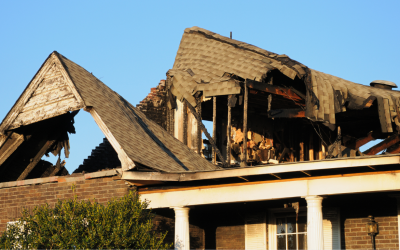
- Fire Damage Restoration addresses burned materials, structural damage, and the aftermath of a fire.
- Smoke Damage Restoration focuses on soot removal, residue cleanup, and preventing long-term staining and corrosion.
- Odor Removal targets persistent smoke smells at the source rather than covering them up.
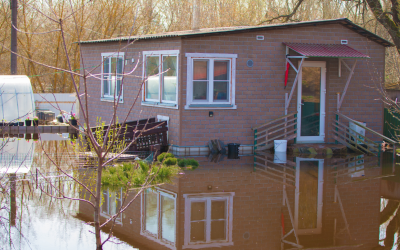
- Water Damage Restoration and Flood Damage Restoration handle water from firefighting efforts or secondary leaks, including drying and mitigation.
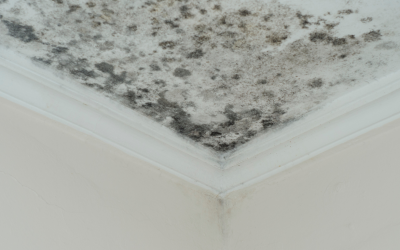
- Mold removal and remediation become relevant when moisture lingers long enough to create growth.
- Sewage Cleanup may be needed if a basement or crawlspace experiences a backup during the event or due to compromised plumbing.
- Storm Damage Restoration can overlap if the fire followed a windstorm or power event that also caused roof or water intrusion.
- Commercial Restoration applies when the fire occurred on a business property, where downtime and safe reopening are top priorities.
This way of handling odor and moisture is beneficial to homeowners, as it stabilizes much faster, reduces surprises, and requires little rework, since it handles odor and moisture just as effectively as visible soot.
Choosing the right approach for your Everett home
After a fire, it’s tempting to focus only on what you can see. The best results come from a plan. This plan must take into consideration concealed smoke pathways, moisture-accumulation areas, and non-cleanable materials.
As you evaluate next steps, look for a restoration approach that:
- Determines how much the smoke spreads, including into neighboring rooms
- Addresses water and humidity conditions alongside soot cleanup
- Includes a real odor removal strategy, not just fragrances
- Considers long-term indoor comfort and re-occupancy, not just appearance
Smoke damage can feel endless when the smell lingers or stains reappear, but it’s a solvable problem with the right sequence of restoration steps. The sooner you treat smoke, soot, and moisture as one connected issue, the sooner your home can feel like home again. Contact All Dry Services of Seattle today for a thorough inspection and expert fire, smoke, water, and mold restoration support.
To stay current with us, please follow our Facebook page.