 All Dry Services of Seattle

 60 Min Response Time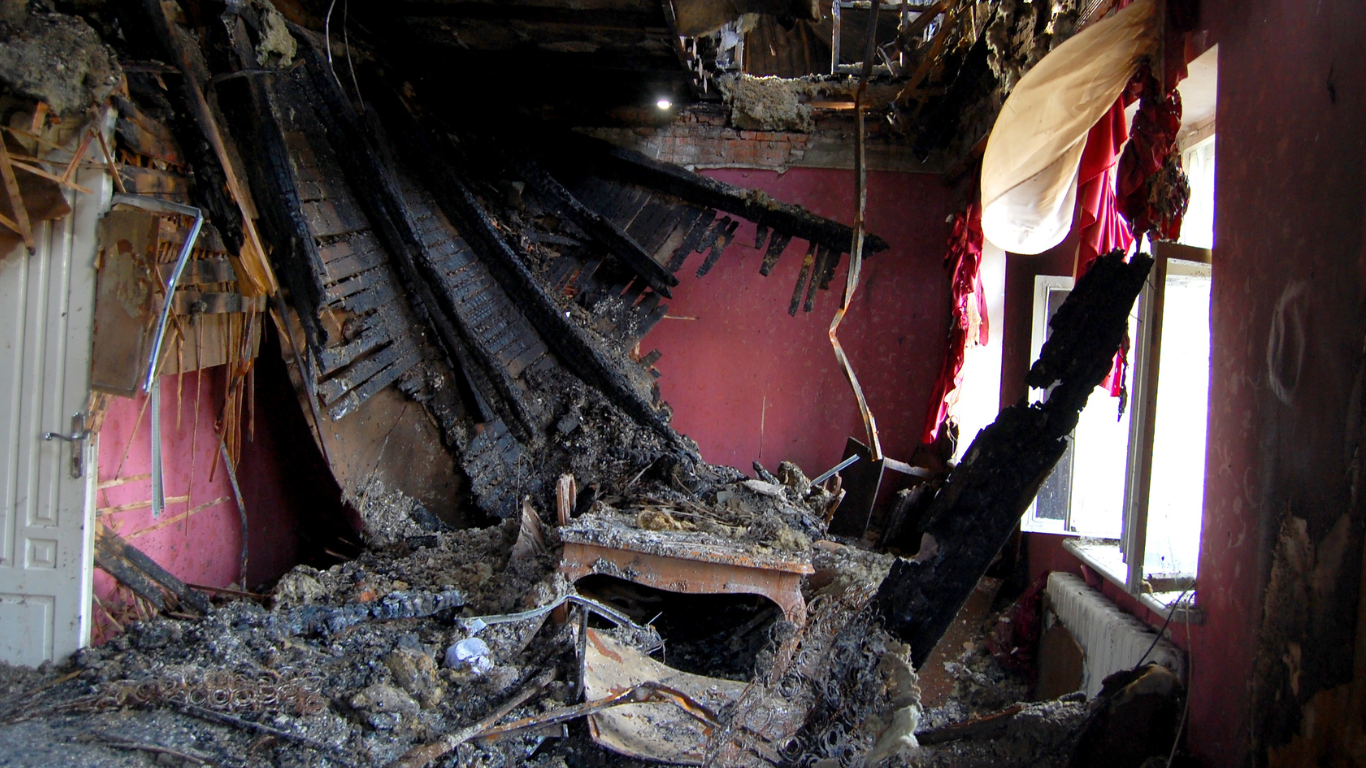
Smoke Damage Restoration in Seattle for Removing Soot, Stains, and Lingering Odors
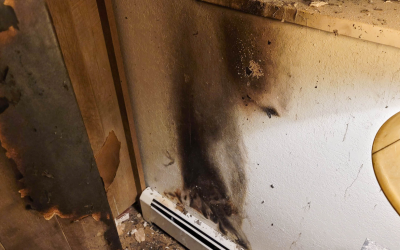
The flames are not the only damage caused by a fire. This is often the case with most buildings in Seattle. Other damages happen much later. These include soot, stubborn yellowish-brown stains, and smoke odor. Returning to “normal” is generally a process that involves more than simply airing the area out.
To get smoke damage restoration in Seattle that homeowners can rely on, it is imperative to understand the effects of smoke on structures.
Why smoke and soot are so hard to remove
Smoke is a mix of tiny particles and gases created by burning materials. The exact makeup depends on what burned, wood, plastics, wiring, upholstery, cooking oils, and that matters because different residues behave differently on surfaces.
Soot particles are extremely fine, allowing them to drift into places you wouldn’t expect: inside cabinets, behind outlet covers, along baseboards, and deep into soft goods like carpets and upholstered furniture. Some residues are dry and powdery, while others are oily or sticky, which makes them smear when wiped the wrong way.
On top of that, smoke carries acidic compounds. Over time, those acids can etch finishes, dull metals, and permanently discolor painted walls, grout, and fixtures if cleanup is delayed.
Smoke damage restoration of Seattle properties is often needed after a fire.
Effective restoration is a process, not a single cleaning step. A professional smoke damage restoration approach typically focuses on three goals: removing soot, addressing staining, and eliminating odors at the source.
Soot removal without spreading it
One of the most common DIY mistakes is dry-wiping soot or using the wrong household cleaner. That can push soot deeper into porous materials or leave permanent smears. Pros use careful methods to lift soot from surfaces. They also limit cross-contamination to unaffected areas.
Stain treatment for walls, ceilings, and contents
Smoke staining isn’t always obvious right away. In the days after an incident, you may notice “ghosting” lines on walls, dark staining around vents, or yellowing on ceilings. Proper stain removal depends on the surface type (painted drywall vs. brick vs. wood) and the type of residue (dry soot vs. oily smoke).
Odor removal that goes beyond masking
The use of air fresheners and scented candles helps temporarily mask odors coming from smoke. This happens because the sources of the smoke odors are substances that emit particles and gases into the air. The proper procedure for eliminating odors involves removing sources in insulation, carpet padding, curtains, and other items.
When odor issues are significant, professional odor removal can be the step that finally makes the space feel livable again.
What to do right away while you wait for help
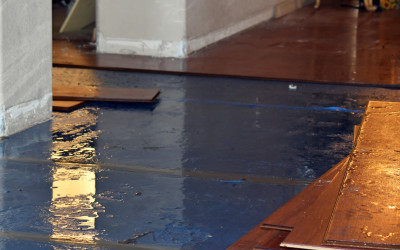
Water can penetrate deeper into surfaces, leading to mold growth, particularly in Seattle’s humid environment. Water and flood restoration services may be necessary in addition to fire and smoke remediation.
- Ventilate if it’s safe: Open windows to increase ventilation. Do not run the HVAC system if there is any possibility of soot in the ducts.
- Avoid wiping soot: Don’t wipe soot. Don’t use a dry cloth to wipe soot; move it carefully, without touching clean areas.
- Limit traffic: Soot stains travel easily. Reduce traffic to prevent the stain from spreading throughout hallways and carpeting.
- Document the damage: Take clear photos of affected rooms and items before cleanup begins.
However, if additional damage is caused by the firefighting process itself or by a broken pipe resulting from the situation, the case should be taken very seriously. The presence of moisture can cause mold formation and further penetrate the smoke residue into the material.
How professionals tackle soot, stains, and smoke odors
Every situation is unique, but a typical sequence is generally followed during restoration to avoid contamination and minimize the risk of staining.
Assessment and containment
The first step in the process involves determining where the soot has spread and which materials require restoration. When soot could spread further, containment may be required.
Surface cleaning and detailed soot removal
Soot on walls and ceilings is only part of the story. Restoration often involves detailed cleaning of trim, fixtures, cabinets, and hard-to-reach areas where residue accumulates. This is also where many “lingering odor” problems are solved by removing the residue that’s actually producing the smell.
Odor removal and air quality improvement
Odor removal may include treating affected rooms and contents to neutralize odor-causing compounds rather than simply covering them up. If the fire involved heavy smoke or the smell persists after surface cleaning, targeted odor removal becomes a key step in returning the space to normal.
Coordinating related restoration needs
Fire incidents rarely happen in isolation. Depending on what occurred, you may also need:
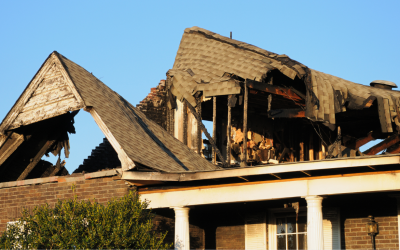
- Fire damage restoration for structural and material recovery
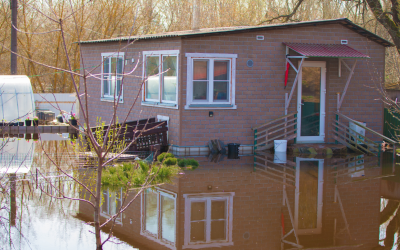
- Water damage restoration if water was used to extinguish flames
- Leak detection to determine if a hidden plumbing issue contributed to the event or complicates drying
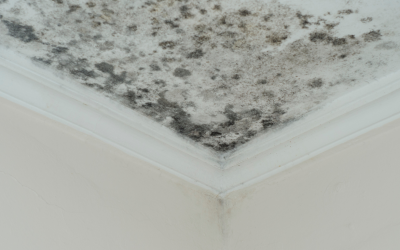
- Mold removal & remediation if moisture lingers and mold develops
- Storm damage restoration, if wind or rain exposure worsens the interior damage
- Sewage cleanup if backups occur during emergency conditions
- Commercial restoration for businesses needing a faster path back to operations
This is critical, as smoke smell and stains may return due to water, contamination, or airflow issues.
Seattle-specific challenges that can make smoke damage worse
The climate in Seattle poses specific challenges for post-fire cleanup. Moisture and humidity make it difficult for the affected material to dry, allowing smoky odors to become trapped.
Another problem that often arises is ventilation. If the premises have been sealed to protect against cold and moisture, the odors will persist much longer and spread through ventilation channels.
How to know it’s time to call in smoke damage restoration
Although some cases may appear simple, such as a kitchen cooking problem, symptoms may indicate serious contamination that cannot be remedied with home remedies.
- Smoke smell that returns after cleaning or becomes more pungent on rainy days
- Visible soot on ceilings, around vents, or inside cabinets
- Yellowish and brownish spots “bleeding” through the painted surface
- Irritation symptoms indoors (scratchy throat, watery eyes) that improve when you leave
- Any combination of fire residue and water intrusion
In these situations, professional smoke damage restoration can prevent permanent damage to finishes and reduce the likelihood of needing repeated cleanings.
Smoke damage may seem overwhelming in the sense that it is all over your property, both physically seen and unseen. However, with an appropriate strategy for soot removal, stain removal, and odor elimination, the property’s restoration should not be overly challenging. However, in case your home or property requires water damage repair or mold cleanup and removal, planning is likely to be more effective.
Don’t let smoke damage linger. Act quickly for a thorough restoration and reclaim your space. Contact Smoke Damage Restoration in Seattle to remove soot, stains, and lingering odors today!
To stay current with us, please follow our Facebook page.