 All Dry Services of Seattle

 60 Min Response Time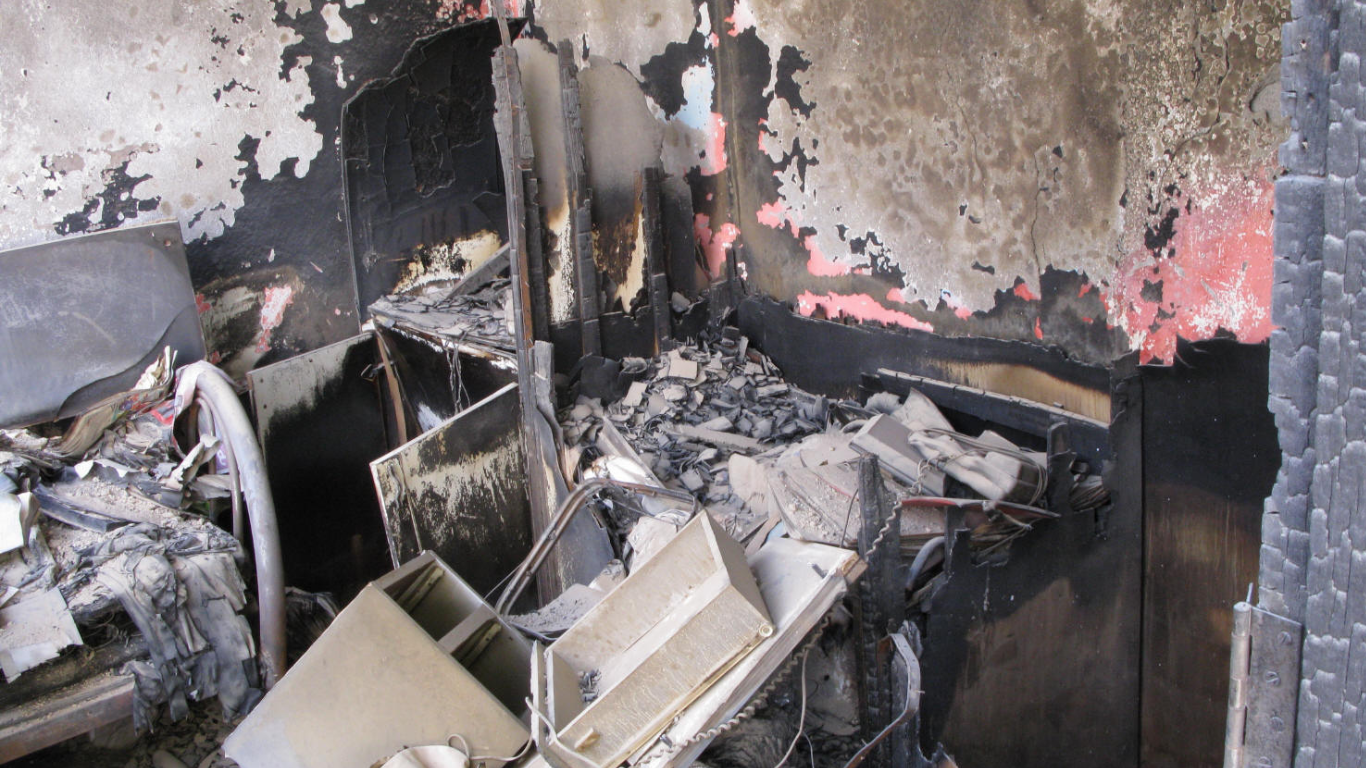
Fire Damage Restoration in Seattle with Steps to Rebuild Safely and Prevent Secondary Damage
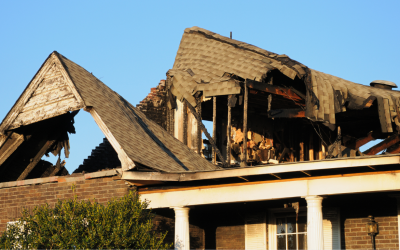
When a fire hits your Seattle home or business, the damage rarely stops when the flames go out. Water used to extinguish the fire can soak into drywall and flooring, smoke can travel into HVAC systems, and soot can continue to corrode surfaces for days. That’s why fire damage restoration in Seattle needs to be handled quickly, carefully, and in the right order.
The goal isn’t just to “clean up.” It’s to rebuild safely and prevent secondary damage, such as mold growth, lingering odors, and hidden structural issues. Below is a practical, step-by-step guide you can follow right after a fire, along with when to bring in professional help.
First things first, safety and documentation
You need to ensure the property is safe for entry before you start your work. The safety of building structural elements, electrical systems, and indoor air quality is at risk because even minor fires can spread through the entire structure.
1) Wait for official clearance. Only re-enter after the fire department says it’s safe. If you notice sagging ceilings, warped floors, or strong chemical odors, get out and get help.
2) Shut off utilities if needed. If you suspect damaged wiring, gas lines, or plumbing, avoid turning anything on. The restoration team will manage all necessary safety shutdowns during their evaluation work.
3) Document everything. Be sure to photograph each room from a distance as well as up close, showing all damaged belongings, walls, ceilings, and floors. It is also important to make note of significant items that have been damaged.
4) Protect yourself. Wear gloves, long sleeves, eye protection, and an N95 or better respirator if you must enter briefly. Soot particles and smoke residue can irritate lungs and skin.
Fire damage restoration in Seattle, step by step
Restoration works best when it follows a clear sequence. Skipping steps often leads to the “second wave” of problems, such as mold or recurring smoke smell.
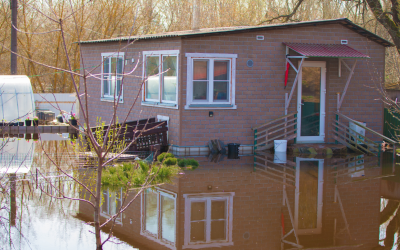
Step 1: Get a professional inspection and scope. Fire can weaken structural components and contaminate surfaces with soot. A qualified team can evaluate what can be cleaned, what must be removed, and what needs specialized treatment. If the fire was put out with water, you may also need water damage restoration or flood damage restoration to address saturated materials.
Step 2: Secure the property. Board-up and temporary protection reduce the risk of theft and weather exposure. In Seattle, rain and humidity can quickly worsen water intrusion and accelerate mold growth.
Step 3: Remove debris and unsalvageable materials. Charred drywall, insulation, and heavily damaged contents often need to be removed so soot and odors don’t keep spreading. This also exposes the structure for a proper assessment of studs, subfloor, and framing.
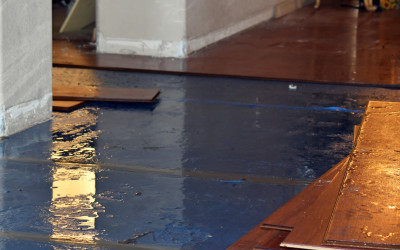
Step 4: Address water and moisture immediately. Fire suppression water can pool in cavities and under flooring. Drying is not just “set up a fan.” It typically requires targeted drying and monitoring to reduce the chance of mold. If you suspect hidden moisture, leak detection can help pinpoint where water is trapped behind walls or under surfaces.
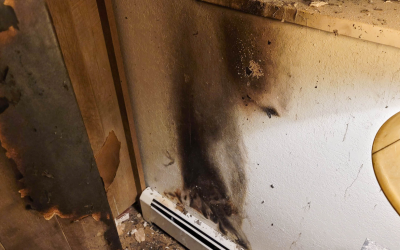
Step 5: Soot and smoke residue cleanup. Soot can be oily and acidic, and it can permanently stain or corrode surfaces if left in place. Proper smoke damage restoration focuses on removing soot and other residues from walls, ceilings, fixtures, and hard-to-reach areas. This step is also where many DIY efforts go wrong, because the wrong cleaner can smear soot and drive it deeper into porous materials.
Step 6: Odor removal. After soot is visibly removed, smoke odor may linger in porous materials such as wood, drywall, insulation, or textiles. Odor treatment is intended to address the source of the problem, not just mask it. An odor that persists despite removing visible dirt indicates the presence of residues in hard-to-reach areas.
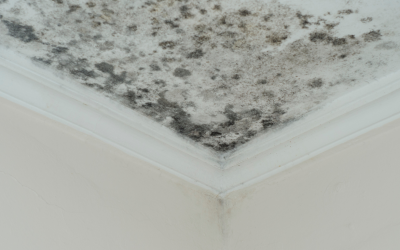
Step 7: Mold prevention and remediation, if needed. In Seattle’s climate, moisture plus disturbed building materials can create a perfect environment for mold. If drying is delayed or the fire involved heavy water use, mold removal and remediation may be necessary, especially in basements, crawl spaces, or behind cabinets.
Step 8: Rebuild with safety in mind. Once the structure is clean, dry, and stable, rebuilding can begin. This may include replacing drywall, flooring, insulation, and finishes. The key is confirming that underlying materials are fully dried and free of soot contamination before closing walls back up.
How to prevent secondary damage while you wait for help
If you’re waiting on a restoration crew or insurance guidance, a few careful actions can reduce additional loss. The focus is on controlling moisture, limiting soot spread, and avoiding unsafe cleanup attempts.
Ventilate only if it’s safe. If the structure is stable and the weather allows, opening windows can help reduce odor and humidity. Avoid running the HVAC system until it has been inspected, since it can distribute soot throughout the building.
Remove standing water if you can do it safely. If there’s visible water and you have safe access, you can gently mop or use towels to remove small amounts. Avoid using household vacuums on soot or water unless they are designed for it.
Separate salvageable items. Move lightly affected belongings to a clean, dry area if they can be handled without spreading soot. Keep items out of damp rooms to reduce the risk of mold.
Do not wash soot-covered walls with general cleaners. Many common cleaners can set stains or create streaking that’s harder to remove later. If you must do something, limit it to light dry dusting on non-porous surfaces, and stop if residue smears.
Watch for sewage or contaminated water. If the fire affected plumbing or the building has backflow, you may need sewage cleanup. Treat standing water as contaminated and caution people and pets to avoid it.
Seattle-specific rebuild tips for safer results
Seattle homes and commercial buildings face several conditions that make post-fire recovery tricky because they deal with persistent moisture, and their older construction and tight building envelopes create problems that prevent odor removal.
Focus on the dryness, not on time. All materials should be dry before reconstruction. Walls that close up too soon create a breeding ground for mold, swelling, and re-emergent odors.
Plan for humidity control. Even after the initial drying, indoor humidity can creep up during rainy stretches. Monitoring and continued dehumidification can help protect new materials.
Don’t ignore “light smoke” areas. Rooms that look untouched can still have a thin layer of soot. If those surfaces aren’t cleaned during smoke damage restoration, odors can reappear when the building warms up or humidity rises.
Commercial spaces need extra coordination. Commercial restoration often involves phased work to reduce downtime and protect inventory, equipment, and customer areas. If you run a business, ask about containment, scheduling, and how to keep unaffected zones operational.
When to call in restoration professionals
Some situations are beyond the scope of safe DIY cleanup and should be handled by trained technicians with the right equipment and protocols.
- If you smell a strong smoke odor days later, even after airing out
- If there is visible soot on walls, ceilings, or inside cabinets
- If water-soaked flooring, drywall, insulation, or crawlspaces
- If you see discoloration, it could indicate mold growth.
- If the property has storm-related exposure or broken windows, requiring storm damage restoration support
- If the fire impacted a kitchen, laundry, or bathroom, where plumbing leaks can complicate drying and require leak detection
Professional fire and smoke damage restoration is designed to address both what you see and what you can’t, reducing the risk of long-term odor, corrosion, and indoor air quality issues.
Recovering after a fire is overwhelming, but a clear plan makes it manageable. Safety comes first. All damage must be recorded. An immediate response is required for moisture problems. Complete soot and smoke cleanup before beginning any repair work. If you execute this task properly, your work will achieve more than just repairing items. Your work will stop additional damage that would worsen the existing problem. Contact us today for expert smoke damage restoration and a thorough recovery plan.
To stay current with us, please follow our Facebook page.