 All Dry Services of Seattle

 60 Min Response Time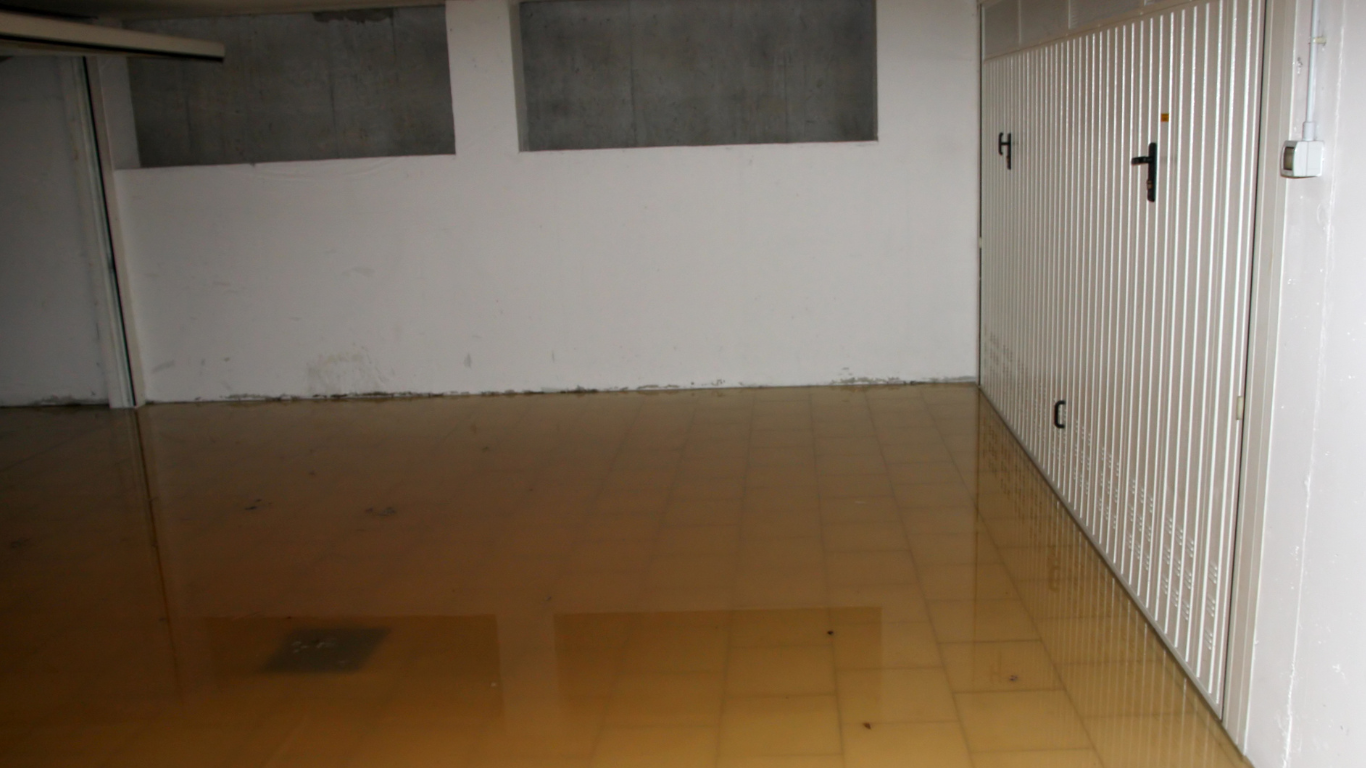
Flood Damage Restoration in Seattle for Basement Dry-Out, Dehumidification, and Repairs
If your basement becomes flooded, it will not remain “a small issue” for long. Moisture may infiltrate drywall, carpets, insulation, and wooden framing structures, then become airborne, making it ideal for wood warping, metal rusting, and mold growth. In Seattle, where rain and groundwater issues are common, a fast, well-planned response is what separates a straightforward cleanup from weeks of repairs.
If you’re dealing with a wet basement, flood damage restoration in Seattle typically comes down to three priorities: dry-out, dehumidification, and repairs. The goal is to remove water you can see, pull moisture out of materials you can’t, and restore the space so it’s safe and usable again.
Why basements in Seattle flood more easily than you expect
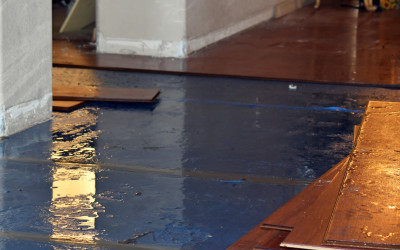
Basements sit below grade, so they’re naturally vulnerable. Even a minor change in drainage or a short burst of heavy rain can push water into the lowest point of the home. The water in the pools on the floor is sometimes quite clear. At other times, it is more obscure, such as when you notice water stains around your baseboards or even a musty smell.
Common basement flooding triggers include:
- Storm runoff and saturated soil are pressing water through foundation cracks
- Plumbing leaks from supply lines, water heaters, or laundry connections
- Sump pump failures or overwhelmed drainage systems
- Sewage backups that introduce contamination and strong odors
Because more than one issue can occur at once (for example, stormwater plus a hidden pipe leak), professional leak detection and water damage restoration are often part of the same response.
Flood damage restoration in Seattle: What happens during basement dry-out
Basement dry-out is more than “mopping it up.” Water moves quickly into porous materials and can collect behind walls, under flooring, and inside insulation. A proper flood damage restoration approach focuses on both extraction and moisture control to prevent the basement from re-wetting from trapped water.
In a typical basement dry-out, you can expect:
- Water removal to reduce immediate damage and limit spread into adjacent rooms
- Moisture checks to identify wet zones in drywall, trim, subfloors, and framing
- Targeted drying to address hard-to-reach areas where moisture hides
That is why experience in flood restoration is crucial in such cases. If water is not removed but dry material is left in place, stains, swelling, and odors will develop.
Dehumidification: Why it matters even after the water is gone
After a flood, the air in a basement can hold a surprising amount of moisture. That humidity slows drying and can encourage microbial growth. Dehumidification helps pull water vapor out of the air so damp building materials can release moisture and dry more evenly.
It also helps prevent secondary damage, such as:
- Condensation forming on cold pipes, windows, or concrete walls
- Musty smells that settle into fabrics and stored items
- Damage to wood framing, doors, and trim as moisture levels stay elevated
In many cases, dehumidification is the difference between a basement that “looks dry” and one that actually returns to a normal, stable moisture level.
Repairs and rebuild what gets restored after a basement flood
After these tasks are completed, the next step would be to determine which materials need repair and which will be fine after restoration. Some materials respond positively to drying and dehumidification and will recover completely. Some materials cannot survive water.
Flood repairs to a basement include:
- Replacing damaged drywall, baseboards, or insulation
- Addressing flooring that has buckled, delaminated, or absorbed water
- Repairing or sealing areas where water entered
- Cleaning and restoring surfaces affected by dirty water
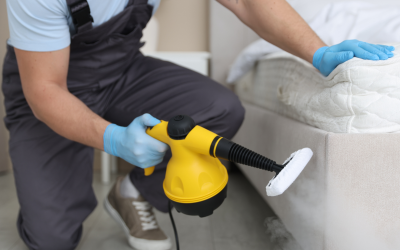
When floodwaters are mixed with other liquids, such as sewage, sewage cleanup is the more pressing priority before starting on restoration of the home. That type of water can carry bacteria and requires careful handling, thorough cleaning, and odor removal to make the space healthy again.
When mold becomes part of the picture
Mold doesn’t always show up immediately. It can begin growing within a short window when moisture is left behind in drywall, carpet padding, or wood. Even if you don’t see visible growth, a persistent musty smell or worsening allergy symptoms can be a sign that moisture is still present.
This is why mold removal & remediation is often connected to flood damage restoration. The best strategy is prevention, fast drying, and dehumidification. When mold is already present, remediation proceeds in three steps: removing all contaminated materials, cleaning all damaged areas, and resolving the moisture problem that allows mold to grow back.
Don’t overlook hidden sources, leak detection, and storm damage restoration.
Not every “flood” is caused by rainwater. A slow plumbing leak can mimic a storm-related issue, especially if water appears along a wall or near a utility area. Leak detection helps confirm whether the problem is coming from a pipe, appliance connection, or another hidden source, so repairs actually solve the root cause.
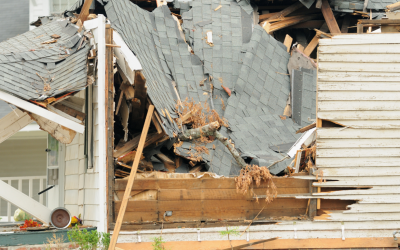
And if the flooding happened during severe weather, storm damage restoration may also be relevant. Storm-driven water intrusion can affect more than the basement, including crawl spaces, lower-level walls, and areas where water travels along framing.
Actionable steps to take right away if your basement floods
While professional restoration is the safest route for significant flooding, there are a few practical steps you can take immediately, especially in the first hours, to reduce damage.
- Stay safe first: Avoid standing water near outlets, appliances, or your electrical panel. If you’re unsure, don’t enter the area.
- Stop the source if possible: Shut off water if a plumbing issue is suspected. If it’s storm-related, focus on preventing additional water from entering.
- Move what you can: Lift items off the floor and remove wet cardboard boxes, rugs, and fabric items that can hold moisture.
- Ventilate carefully: If outdoor humidity is lower, airflow can help. If it’s damp outside, ventilation alone may not be enough.
- Document damage: Take photos of affected areas and belongings before major cleanup or removal.
If you notice strong odors, discoloration, or water that appears dirty, treat it as potentially contaminated and avoid handling it yourself. In those cases, sewage cleanup and odor removal may be needed as part of the restoration plan.
Beyond floods, other restoration services that may matter
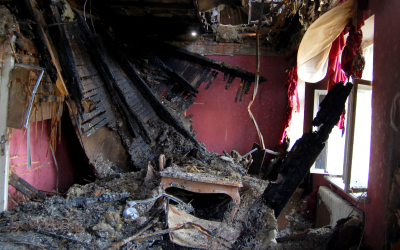
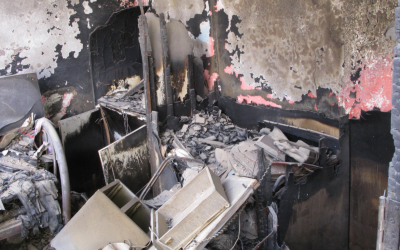
In some cases, basement flooding may highlight other problems in a building that require repairs. For instance, if the flooded basement affects the area containing furnaces or electrical elements, then restoration after smoke or fire damage may also be required. Commercial restoration may also be relevant for multi-unit buildings or businesses with below-grade storage, offices, or mechanical rooms.
The most important thing is getting the right scope: water damage restoration for the moisture problem, flood damage restoration for the event itself, and any supporting services, like mold removal & remediation or odor removal, when conditions call for them.
Basement flooding can be intimidating, but there is an easy way to deal with it: take action in the correct sequence: drain the excess water, manage humidity with dehumidification, and repair the damage as needed. A comprehensive strategy to restore flooded basements will allow Seattle residents to return to a dry, clean space. Contact All Dry Services of Seattle today for expert basement flooding restoration
To stay current with us, please follow our Facebook page.