 All Dry Services of Metro South

 60 Min Response Time
Water Damage Restoration in Balch Springs for Fast Emergency Response
When water hits your home or business, the clock starts immediately. In Balch Springs, a fast emergency response can be the difference between a manageable cleanup and weeks of repairs, odors, and mold worries. The goal of water damage restoration in Balch Springs isn’t just to “dry things out”. It’s to stop the damage from spreading, protect your health, and get your space back to normal.
This how-to guide walks you through what to do in the first minutes and days after a leak, flood, or storm event. You’ll also learn when to bring in professional help for services like leak detection, flood damage restoration, sewage cleanup, odor removal, and mold removal & remediation.
Water damage restoration in Balch Springs: what to do first (0–60 minutes)
The first hour is all about safety and preventing additional damage. If you can do so safely, take these steps right away.
1) Make the area safe
Water and electricity are a dangerous mix. If water is near outlets, appliances, or your electrical panel, avoid walking through it. If you’re unsure, wait for help.
If it’s safe and accessible, shut off:
- Electricity to affected areas (or the main breaker if needed)
- Water supply if the source is a plumbing failure
- Gas only if you suspect damage and know how to do it safely
2) Stop the source (or contain it)
When it’s a leaky pipe, a malfunctioning water heater, or an overfilled appliance, your first task is to try to stop the water. Should you not be able to do this, make use of rags, towels, basins, or plastic sheets.
This is also where leak detection becomes critical. Hidden leaks behind walls, under slabs, or in ceilings can keep causing problems. They may continue even after the visible water is gone.
3) Document the damage quickly
Take photographs and brief videos before much movement. This should include:
- The source area (if visible)
- Standing water depth
- Wet walls, flooring, ceilings, and contents
- Any visible staining or swelling
This helps you track what changed over time and supports any claims process.
4) Start basic water removal and airflow
If the water is clean (maybe even hose water) and the damage isn’t too large, you can start by using towels, a vacuum, and fans. The interior doors should be left open, and windows should be opened as well if the outdoor moisture is less.
Skip DIY drying if the water is contaminated, the area is large, or it has soaked into walls/insulation. Those situations usually require professional water damage restoration to prevent long-term issues.
How to tell what kind of water you’re dealing with (and why it matters)
Not all water damage is the same. The category affects both health risk and the correct cleanup method.
- Clean water: From a broken supply line or faucet. Still needs to dry quickly, but it’s the least hazardous.
- Gray water: From appliances or drains (like washing machines). May contain contaminants and often requires more controlled cleanup.
- Black water: From sewage backups or floodwater. This is high-risk and should be handled as sewage cleanup and flood damage restoration, not a DIY project.
If you suspect sewage or floodwater, keep people and pets away from the area and do not use fans to avoid contaminating the air. It is better to use professional services for such situations.
Step-by-step: what to do over the next 24–72 hours
Once the immediate emergency is stabilized, the next few days are when hidden damage shows up. This is also the window where mold and odor problems can gain traction if moisture remains trapped.
Step 1: Remove wet items strategically
Move what you can to a dry area, but don’t unthinkingly rip out materials. Some items can be saved if they’re dried quickly; others can trap moisture and should be removed.
Common moisture traps include:
- Carpet padding (often holds water even when carpet feels “dry”)
- Baseboards and drywall (can wick water upward)
- Cabinet toe-kicks and vanity bases
- Insulation (loses function and can hold moisture)
Step 2: Watch for signs of trapped moisture
Even if the surface appears okay, water may still be present beneath the walls or flooring. Watch for the following signs:
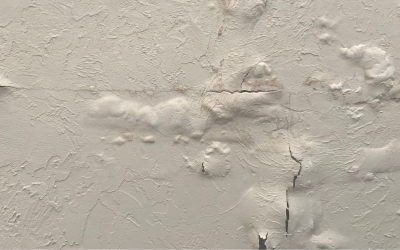
- Bubbling and peeling paint
- Swollen baseboards or warped flooring
- Musty smells that get stronger when the HVAC runs
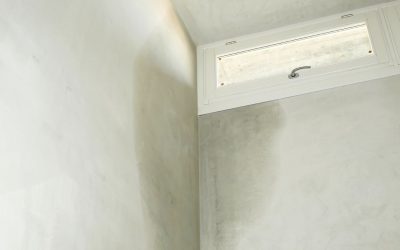
- Ceiling stains that expand over time
If you notice these, it’s a strong indication youindicator you need to seek help with proper drying and monitoring, not just fans.
Step 3: Avoid common DIY mistakes
Well-intended actions can make restoration harder. Try not to:
- Run the HVAC nonstop if it’s pulling humid air through the system (it can spread odors and moisture)
- Paint over stains before the area is fully dry (stains often return)
- Ignore odors thinking they’ll fade (they usually point to lingering moisture)
- Use bleach as a “fix” for suspected mold without addressing moisture (the moisture source is the real problem)
When odors persist after drying, odor removal is often needed to address what’s embedded in porous material, not just what you can smell in the air.
When to call for emergency help (and what pros do differently)
Some cases require more than just a quick cleanup, especially when water has entered building components. If any of these apply to you, then:
- Water has been there for over two hours
- There’s standing water across multiple rooms
- Ceilings are sagging, or walls feel soft
- You suspect a hidden leak and can’t locate it
- The water source involves sewage or outdoor flooding
- You smell mustiness or see early signs of mold
In a professional team, water damage restoration can be combined with leak detection to eliminate the cause of the water problem, and then control drying can be employed. If there is any sign of mold in the structure, mold removal & remediation will be suggested.
What about businesses in Balch Springs?
A professional team can handle water damage restoration and leak detection. They stop the source first. Then, they use controlled drying and monitoring to avoid further damage. If mold is found or suspected, mold removal may be suggested. This helps safely deal with affected materials.
Storms, floods, and sewage: special cases that need a different plan
Weather conditions in Balch Springs can change rapidly. Storms can introduce dirt and pollutants onto your property. Should your damage result from weather events such as heavy rain or wind, additional repairs may be needed beyond flood restoration services.
If there’s a backup from a drain line or the water has an obvious odor, treat it as a health hazard. Sewage cleanup requires proper removal, cleaning, and disinfection procedures to reduce exposure risks.
Don’t forget secondary damage: fire, smoke, and trauma situations.
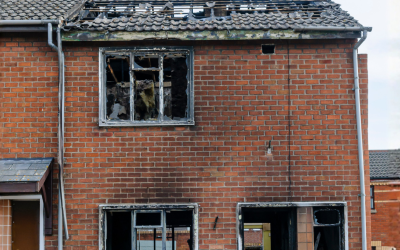
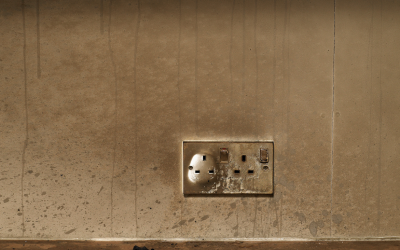
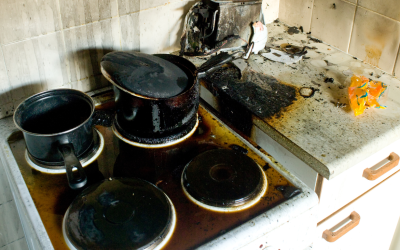
Not every emergency is “just water.” In some instances, water damage may occur after a fire, while on other occasions, sprinkler water may damage property due to smoke. Fire and smoke restoration will have to be considered here as well.
And in certain difficult circumstances, trauma cleanup may be required to restore a space safely and respectfully. The key is matching the response to the type of loss, because the wrong approach can leave behind odors, staining, or health concerns.
Actionable checklist: your fast-response plan for Balch Springs
One strategy that can work well is saving this list to use during the next leak, flood, or overflow problem you encounter.
- Make it safe: avoid wet electrical areas; shut off power/water if safe
- Stop the source or contain it; consider leak detection for hidden issues
- Document with photos/video
- Remove standing water if it’s safe and clean
- Provide ventilation and drying where appropriate
- Separate clean-water incidents from sewage/flood events (don’t DIY contaminated water)
- Watch for trapped moisture signs over the next 72 hours
- Address odors early with proper odor removal, not masking sprays
- Call for water damage restoration if water spread, soaked materials, or time delays are involved
Water damage is stressful, but a fast, organized response makes a real difference. With help from All Dry Services of Metro South, you can act quickly, avoid the common missteps, and bring in the right support when needed, whether that’s flood damage restoration, sewage cleanup, mold removal & remediation, or commercial restoration, so you can limit repairs and get back to normal sooner in Balch Springs.
To stay current with us, please follow our Facebook and Instagram pages.