 All Dry Services of Metro South

 60 Min Response Time
Commercial Restoration Services in Metro South Texas to Minimize Downtime After a Disaster
When a disaster damages a commercial property, the damage is not the only problem. The real challenge is keeping your business from staying closed too long. Downtime can mean lost revenue, delayed work, stressed employees, and customers going elsewhere.
In Metro South Texas, sudden weather changes, old plumbing, and strong storms can quickly interrupt a normal business day. That is why fast and reliable commercial restoration in Metro South Texas is important.
This guide shows how commercial restoration services can protect your building. They limit damage. They also help your business recover quickly. You will also learn what to do during the first few hours after a disaster and how to prepare for future emergencies.
Why commercial restoration services matter for downtime
Residential cleanups are challenging, but commercial losses are often more complex. You might have more space, special equipment, inventory, several tenants, or specific rules to follow. The goal of commercial restoration services isn’t just to fix damage. The solution requires the immediate restoration of your operational functions to a secure, fully operational condition. The following factors serve as common reasons for operational downtime:
- Hidden moisture spreads quietly under floors and behind walls. This delays repairs and increases the risk of mold.
- Contamination from sewage or floodwater must be cleaned up before reopening.
- Smoke damage leaves the space uninhabitable.
- The uncertainty lies in whether something is hazardous, salvageable, or needed.
The faster you get accurate answers and begin mitigation, the more you can shrink the “closed for business” window.
Step-by-step: What to do in the first 24 hours after a disaster
Day one decides if any downtime is gained or lost. Only if the scene is secure should the necessary emergency response activities take priority.
1) Protect people first, then the property
Keep staff and customers away. This is important if there’s standing water near electrical panels. Also, stay clear if you see damage or smoke residue. If blood or biohazard is involved, avoid doing it yourself. It is better to hire an experienced trauma cleaner. This will ensure your safety and lower your liability.
2) Stop the source when it’s safe
If the issue is water-related, shutting off the water supply can dramatically reduce damage. For suspected pipe failures, a leak detection assessment is key. This makes locating the point of origin quick and easy, especially when the water leak is in areas such as walls, beneath concrete slabs, or even ceilings.
3) Call for commercial restoration and mitigation
Time matters because moisture and contamination don’t wait. Water damage restoration and flood damage restoration typically involve extraction, drying, dehumidification, and monitoring. The aim here is to avoid any subsequent damage from warping floorboards, damaged drywall, and mold. If a sewage backup caused the flooding, it is important to perform sewage cleanup to make your premises safe for habitation.
4) Document conditions early
Take photos and video of affected areas, equipment, and inventory. Document water lines on walls, stains caused by broken ceiling tiles, soot stains, and mold stains where possible. Make a simple timetable that contains the time of discovery, the affected area, and immediate actions you have taken, such as shutting down and evacuating the area. Restoration specialists use this to establish their needs.
5) Prevent spread while you wait
- Easy ways to minimize the spread of damage include:
- Removing unaffected stock from the affected area
- Covering unaffected areas with plastic sheeting (if necessary)
- Increase ventilation only if conditions are safe (and not in a smoke-damaged environment where you may spread soot)
A professional team can also set up containment when mold, sewage, or heavy soot is involved.
Matching the right restoration service to the disaster
Different events require different approaches. Knowing the “why” behind each service helps you make faster, more informed decisions under pressure.
Water damage vs. flood damage: what changes?
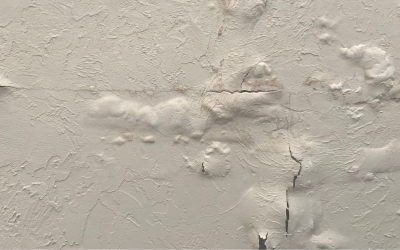
Water damage restoration often involves clean water sources, such as supply lines or appliance failures. Flood damage restoration can include storm-driven water intrusion and may involve heavier debris, silt, and higher contamination risk. Both require rapid drying, but flood situations more often demand more extensive cleaning and material removal.
Storm damage restoration: more than just water
In Metro South Texas, storms can cause roof leaks, window breaches, and wind-driven rain that soaks insulation and wall cavities. Storm damage restoration focuses on stabilizing the building and addressing the full chain of damage, water intrusion, wet materials, and the conditions that create mold risk if drying is delayed.
Mold removal & remediation: when moisture gets a head start
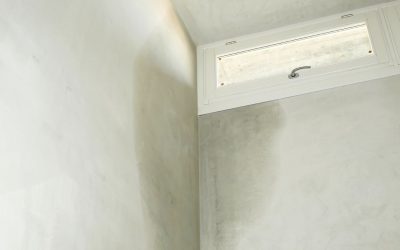
Mold can become a business-interrupting issue when moisture sits too long or when humidity remains elevated after a leak. Mold removal & remediation typically involves identifying affected materials, setting containment, removing or treating impacted areas, and addressing the moisture source so the problem doesn’t return.
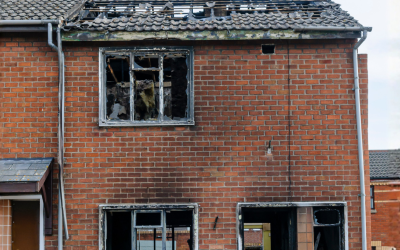
Fire and smoke: the damage you can’t always see
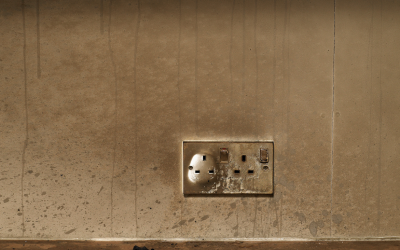
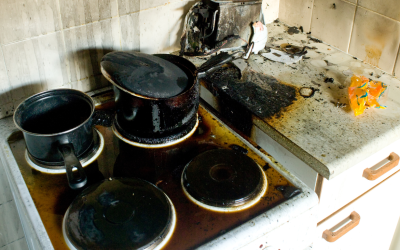
can cause serious disturbances. The process of restoration after fire damage includes removing affected building materials, cleaning up, and preparing for further work. Restoration after smoke damage has two main goals. First, it removes soot. Second, it reduces corrosion. This helps protect electronics and metals.
When the smell lingers, removal can help restore comfort. This is very important in places where you see customers. This includes offices, stores, and healthcare facilities.
Commercial restoration: the coordination layer
Commercial restoration puts everything back together. It’s all about getting things done quickly. First, we stop the damage from getting worse. Then we clean up and resolve any issues. We finally get the place ready for repairs so you can open again. This avoids delays from missed moisture, lingering contamination, or bad odors.
How to minimize downtime during the restoration process
After the emergency is under control, focus on running the business. Keep it going while restoration work happens. These practical steps can shave days off recovery.
Make a “reopen-first” plan for your space.
Not every area needs to be fixed at the same time. Find the important areas that can be used while other parts are being repaired, like:
- Front desk/customer area
- Primary workstations
- Server/IT rooms
- Bathrooms and break areas
- Storage for essential inventory
Share this priority map with your restoration team. This way, mitigation and cleaning are focused on helping your life get back to normal quicker.
Request updates on moisture and air monitoring.
Drying isn’t guesswork. Check moisture levels during water or flood restoration. Write down the levels as drying occurs. Regular updates help you plan staffing, temporary moves, or phased reopenings. You can rely on real conditions instead of just guesses.
Use containment strategically
When mold, sewage, or heavy soot is present, containment can allow work to continue in one area while unaffected parts of the building remain usable. This is especially helpful for offices that can operate in sections or for facilities with multiple suites.
Don’t ignore the odor. They’re slowly reopening.
Even when there is no visible dirt, smells may indicate that there are still signs of fire, humidity, or contamination. Taking care of the odor problem early will ensure you don’t experience the repetitive process of “reopening, complaining, closing.”
Actionable preparedness: a simple plan to reduce future downtime
You can’t prevent every disaster, but you can reduce its disruption. Here’s a simple checklist you can start using this month.
- Document shutoffs: Label water shutoff locations and ensure key staff know where they are.
- Schedule periodic leak checks: If you’ve had recurring issues, proactive leak detection can catch hidden problems before they become major losses.
- Protect high-value areas: Elevate critical equipment and inventory where possible, and keep sensitive items away from known leak points.
- Set an incident communication chain: Who calls whom? Who makes the call to pause operations? Decide before you need to decide.
- Keep a restoration contact ready: In an emergency, minutes matter. Having a plan for commercial restoration support reduces hesitation and delays.
- Train on contamination scenarios: Staff should know not to handle sewage-impacted materials and to request professional sewage cleanup.
Preparedness doesn’t have to be complicated; it just needs to be written down, shared, and revisited. Disasters are disruptive, but they don’t have to define your year.
Act fast in the first hours. Use these services:
- Water damage restoration
- Storm damage restoration
- Mold removal
- Fire and smoke damage restoration
- Odor removal
- Sewage cleanup
- Trauma cleanup (if needed)
A clear plan to reopen can cut downtime. This helps your business get back on track quickly.
If your business is hit by unforeseen damage, do not hesitate. All Dry Services of Metro South is here for you and will help you get back to normal operations as soon as possible.
To stay current with us, please follow our Facebook and Instagram pages.