 All Dry Services of Metro South

 60 Min Response Time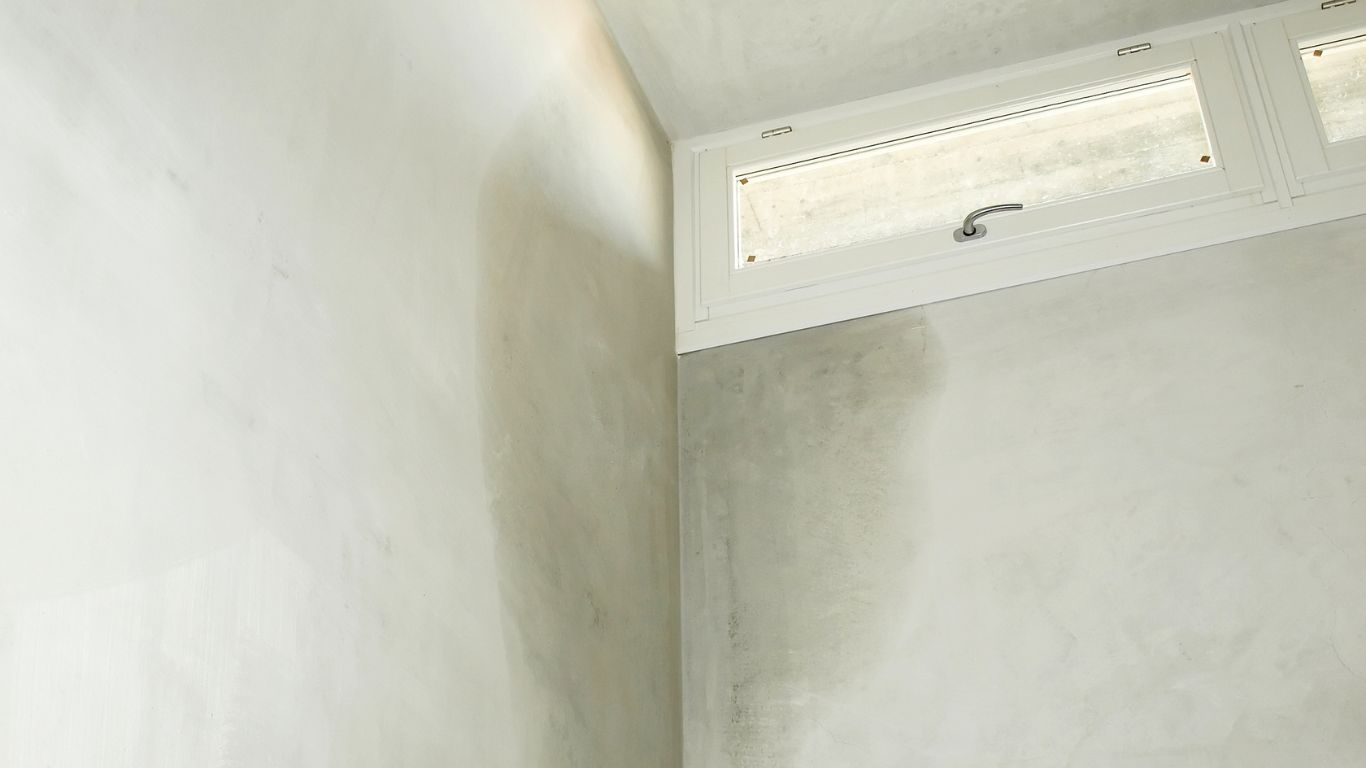
Leak Detection in Metro South Texas for Hidden Water Damage
Most water damage doesn’t start with a dramatic flood. In many Metro South Texas homes and businesses, it starts quietly. You might find it behind drywall, under tile, or beneath a concrete slab. But soon, the damage grows too big and too costly to ignore.
That’s why leak detection in Metro South Texas holds significant importance. If you catch hidden moisture early, you can avoid warped floors and all that. It also prevents mold from building up in corners or behind walls.
So in practice, you prevent those costly structural problems later on. In short, it can stop a small plumbing issue from turning into a big repair job, and nobody wants that, ever.
Why Hidden Leaks Are So Common in Metro South Texas
Walls and slabs are pretty good at covering up trouble. A slow pinhole leak in a supply line, a failing drain connection, or even a slab leak can cause water to leak for days or weeks.
You might not notice it until a puddle appears. Once you smell mustiness or see a stain on the wall, moisture may have already spread into the insulation, framing, or flooring.
In Metro South Texas, warm conditions can also accelerate secondary issues such as odor and microbial growth. Hidden water and heat can make a big difference. Early detection helps you choose between a simple repair and a costly water damage restoration.
Signs of Hidden Water Damage
Common clues can feel quiet, almost polite. It’s as if the water moves sideways on its own within a wall, or conceals itself beneath a slab.
Wall and Ceiling Warning Signs
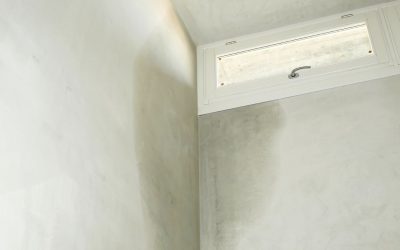
Water behind drywall often shows up as changes in texture, color, or smell.
Watch for:
- Stains or discoloration
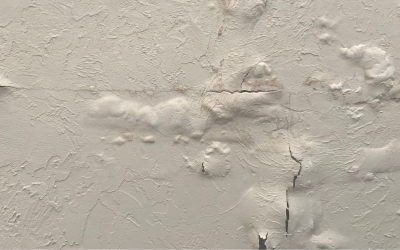
- Bubbling, peeling, or soft paint that feels spongy when pressed
- Warped baseboards or trim pulling away from the wall
- Musty odors that linger even after cleaning (often a sign moisture is feeding mold)
- Visible mold at corners, behind furniture, or near vents
If you smell something but can’t find the source, professional odor removal can help. This is especially true after addressing any moisture issues, as odors can seep into porous materials.
Flooring and Slab Leak Red Flags
Slab leaks can be tricky, since water can move under the foundation and then appear far from where it started. Common indicators include:
- Warm spots on the floor (sometimes linked to hot water line leaks)
- Loose, cracked, or shifting tile as moisture weakens adhesives and grout
- New floor cupping or buckling in wood or laminate areas
- Damp carpet with no spill or visible cause
- Unexplained increase in water bills
- Sound of running water when fixtures are off
Even if the surface dries out, moisture can remain trapped below, leading to ongoing damage and the need for flood damage restoration if the problem escalates.
Plumbing-adjacent clues you shouldn’t ignore
Leaks often appear around “wet zones,” but the damage may spread beyond them. Pay attention to:
- Cabinet swelling under sinks or around built-in vanities
- Toilet rocking or soft flooring near the base
- Persistent humidity in one room compared to the rest of the building
- Recurring mildew that returns quickly after cleaning
What Hidden Water Damage Can Turn Into
A leak isn’t just a leak. When water sits inside walls or under flooring, it can trigger a chain reaction:
Mold Growth
Moisture and organic materials such as drywall paper, wood, and dust can promote mold growth. This makes the situation worse. If you suspect mold, it’s safer to have a professional team check and fix it. Don’t try to handle it yourself. Disturbing it can spread spores or make it linger longer.
Material Breakdown
Over time, drywall weakens, wood swells, and adhesives fail. You may see sagging ceilings, crumbling baseboards, and flooring that won’t stay flat.
Odors That Don’t Go Away
Even when it feels dry, those musty smells can linger. This is common if water has damaged the insulation, subflooring, or hidden spaces. Most of the time, you end up needing a focused odor-removal approach after you pin down and fix the root cause.
Electrical Concerns
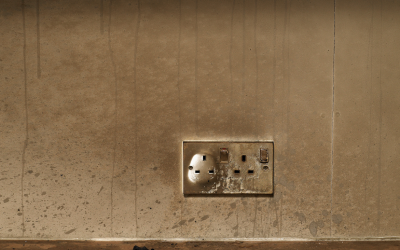
Water and wiring don’t go together well. If you see dampness around outlets, lights, or the breaker panel, treat it like an emergency right away.
Contaminated Water Exposure
If the leak is from a drain line or a backup, you may need sewage cleanup instead of drying. The water could have harmful contaminants. So, only doing the surface steps seems risky.
What to Do If You Suspect a Leak
If you think there’s hidden water damage, a calm, quick response can limit the spread.
- Look for patterns. Note where the stains appear, like which area. Also, pay attention to when the odors are strongest.
- Check your water meter. Shut off all water-using appliances and fixtures, then see if the meter even moves.
- Document changes. Take photos of the stains, the warped material, or even cracked tile.
- Avoid “sealing it in.” If you paint over stains or fill gaps without fixing the moisture first, you might trap water inside.
- Limit exposure. If you see visible mold or suspect sewage, avoid disturbing the area and keep kids and pets away until it’s properly handled.
When the source isn’t obvious, professional leak detection can pinpoint where the water is coming from so the right repairs and drying steps can begin without unnecessary demolition.
How professionals approach leak detection and restoration
Hidden leaks don’t show up with one quick look. The goal is to find the source of the moisture. Then, we need to see how far it has spread. Finally, we must stop any further damage before it becomes a bigger issue.
After identifying a leak, the next steps often involve controlled drying and cleanup. Depending on what happened and which materials affected the situation, that may include:
- Water damage restoration to dry and stabilize wet building materials
- Flood damage restoration when water has spread across floors or into multiple rooms
- Sewage cleanup if there’s contaminated water
- Mold removal & remediation if microbial growth is present or likely
- Odor removal to address musty smells that remain after drying
For businesses, fast response also helps reduce downtime. Commercial restoration focuses on getting operations back to normal while addressing water, odor, and material damage appropriately.
Don’t confuse leak damage with other property emergencies.
Hidden leaks are easy to overlook because the damage doesn’t always look wet at first. Storm damage restoration helps with rain trouble, roof issues, and weaker materials.
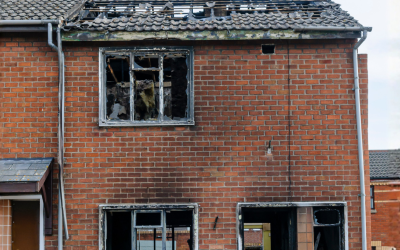
Fire damage restoration focuses on soot, leftover residue, and strong odors. It’s not about visible damage. Smoke damage restoration also takes care of water damage, like from sprinklers.
Trained professionals clean up biohazards. They take great care in doing it. They follow strict rules, even if it feels messy or inconvenient.
When to call for help
If you smell mustiness, see stains, notice floors shifting, or get a high water bill, act fast. Hidden leaks don’t fix themselves, and moisture only makes things worse over time.
In Metro South Texas, finding leaks early can stop bigger repairs. This also reduces downtime. If something feels off in your walls or slab, getting it checked is usually the simplest move.
To stay current with use, follow our Facebook and Instagram pages.