 All Dry Services of Metro South

 60 Min Response Time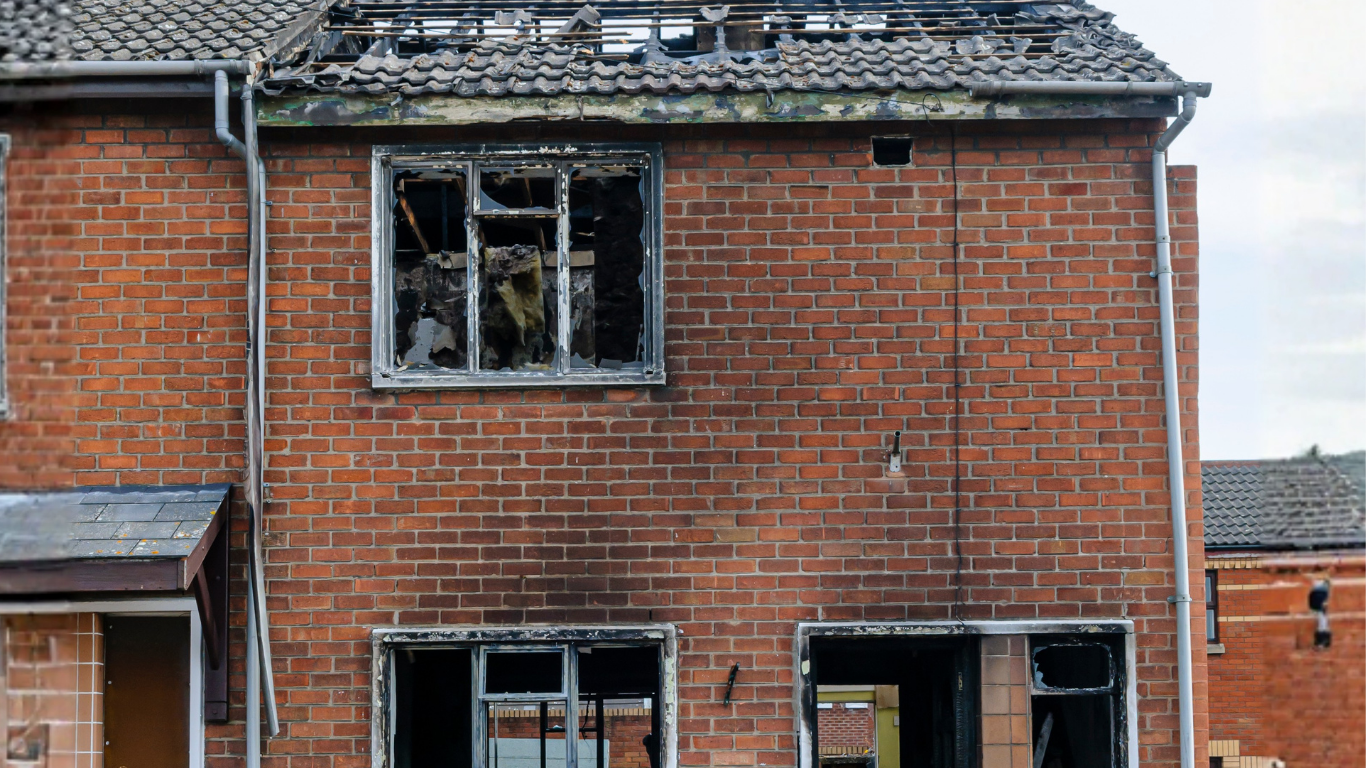
Expert Fire Damage Restoration in Desoto, TX for a Safe and Fresh Start
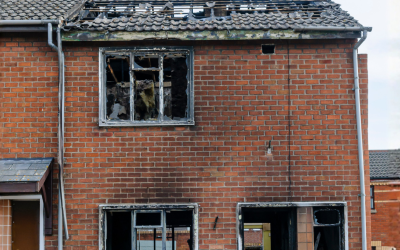
A house fire can disrupt your life in just a few minutes. Even after the flames are out, the damage can continue. Smoke, soot, water, damaged belongings, and strong odors may leave your home feeling unsafe and difficult to enter.
When you need fire damage restoration in Desoto, TX, acting quickly can help prevent more damage. The main goal is to make the property safe, remove harmful materials, dry wet areas, and restore the space to a clean and stable condition.
This guide explains what to do after a fire, how the restoration process works, and which mistakes you should avoid.
What to Do Immediately After a Fire
Before you begin cleaning or moving items, focus on safety. Fire can weaken floors, walls, ceilings, electrical systems, and support beams. Soot and standing water can also create health and safety risks.
Wait Until the Property Is Safe
Do not enter the building until the fire department or another local authority says it is safe. A room may look stable while still having hidden damage.
Leave the property right away if you notice cracked walls, sagging ceilings, exposed wires, soft floors, or unusual sounds. These may be signs of structural problems.
Check for Utility Damage
Water and fire can cause damage to gas lines, electrical wiring, and plumbing systems. If there is a gas odor, a hissing noise, or any kind of damage to the electrical system, leave the building.
You should not switch on the utilities by yourself.
Document the Damage
Take clear photos and videos of all areas you can safely reach. Record wide views of each room, then take close-up images of damaged materials.
Be sure to document:
- Burned walls, ceilings, and framing
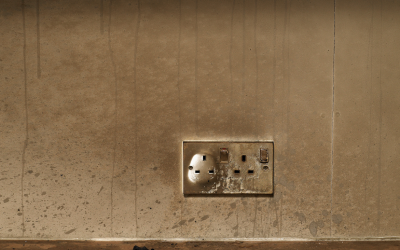
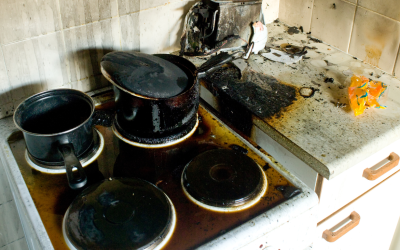
- Smoke and soot stains
- Wet carpet, flooring, and drywall
- Damaged furniture and appliances
- Clothing, electronics, and personal items
- Broken windows, doors, or roofing
These records may help with your insurance claim. They also show the condition of the property before cleanup begins.
Prevent More Damage
A fire may leave the home open to rain, wind, animals, theft, or vandalism. Emergency board-up and roof tarping can protect the property until repairs begin.
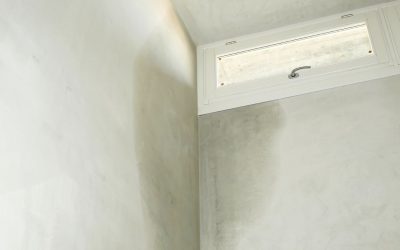
Water damage must also be attended to promptly. Fire hoses and sprinkler systems can saturate walls, floors, insulation, and cabinetry. Failure to remove the water will result in swelling, mold, and decay.
How the Fire Restoration Process Works
Professional fire damage restoration in Desoto, TX includes much more than removing burned materials. A complete plan should deal with fire damage, smoke, soot, odors, and water.
1. Inspection and Damage Assessment
The restoration team begins by inspecting the property. Technicians look at where the fire started, how far it spread, and which materials were affected.
They also inspect how smoke moved through the house. Smoke can enter closets, attics, wall cavities, and heating and cooling systems. Rooms that appear undamaged might have soot or a smell.
The inspection helps the team decide which items can be saved and which materials must be removed.
2. Water Removal and Drying
Many fire-damaged homes also have serious water damage. Standing water may need to be removed before cleaning begins.
Restoration teams may use pumps, extraction machines, air movers, and dehumidifiers. Moisture meters can help locate water beneath flooring and inside walls.
Fast drying is important in the Texas climate. Heat and humidity can increase the risk of mold when wet materials are not treated quickly.
3. Removal of Unsafe Materials
Some materials may be too damaged to clean or repair. These can include burned drywall, insulation, flooring, cabinets, and ceiling materials.
Removing damaged materials helps technicians reach hidden soot and moisture. It also prepares the area for deeper cleaning and future repairs.
4. Soot and Smoke Cleaning
Unlike ordinary dirt or dust, soot has distinct characteristics that may make it greasy, sticky, acidic, or abrasive. Using the wrong cleaning material to wipe it off could result in staining or embedding it into the surface.
Professionals choose cleaning methods based on the type of soot and the material being treated. Walls, ceilings, floors, furniture, and fixtures may all need different methods.
Proper cleaning can reduce staining, corrosion, odors, and long-term damage.
5. Odor Removal
Smoke odors may remain even after visible soot is gone. This happens because odor particles can settle inside drywall, carpet, fabric, wood, and insulation.
Professional odor removal focuses on finding and treating the source. Technicians may use air filtration, surface cleaning, deodorizing products, and other equipment.
Materials that cannot be fully cleaned may need to be removed and replaced.
6. Mold Inspection
Water used to fight the fire may remain hidden inside walls, ceilings, and floors. If these areas stay wet, mold may begin to grow.
A moisture inspection helps identify damp materials before the problem spreads. If mold is found, removal and remediation may be needed. The moisture source must also be corrected.
7. Cleaning Personal Belongings
Not every fire-damaged item must be thrown away. Furniture, clothing, documents, photos, and personal belongings may be saved if they are handled quickly.
Items are usually sorted based on their condition. Restorable items may be cleaned, dried, deodorized, and stored while work continues inside the home.
Safe Steps You Can Take
There are several safe actions you can take while waiting for professional help.
Open windows only if the building is safe and the weather is suitable. Do not turn on the heating or air conditioning system. It may spread soot into clean areas.
Move important documents, clean clothing, and other unaffected items to a smoke-free location if you can reach them safely.
Do not wipe soot with a household cloth or sponge. This can spread the residue and cause permanent stains.
Avoid using candles, air fresheners, or scented sprays. They may cover the smell for a short time, but they will not remove the source.
Look for wet carpet, soft drywall, standing water, or damp flooring. These are signs that water removal and drying may be needed.
Common Problems After a Fire
Fire damage can continue to affect a building long after the flames are gone.
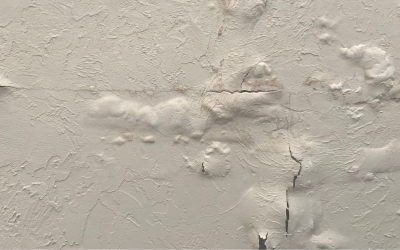
Smoke residue may stain paint, damage electronics, and corrode metal surfaces. Strong odors may remain inside porous materials. Water can cause flooring to buckle, drywall to weaken, and wood to warp.
Some fires may also leave hazardous debris or contaminated materials. In these cases, specialized cleaning may be required to make the property safe again.
Fire Restoration for Commercial Properties
Commercial fires can affect workers, customers, equipment, inventory, and daily operations. Fast action is often important because delays may increase business losses.
Smoke may seep through walls, ceilings, and ventilation systems. Areas that look clean may yet contain odor and soot.
Commercial cleaning may encompass emergency board-up, water extraction, smoke cleaning, odor removal, equipment protection, and damage assessment.
Choosing the Right Restoration Company
When comparing companies for fire damage restoration in Desoto, TX, ask clear questions about the process.
Find out how the company will inspect for hidden smoke, remove water, dry the structure, treat odors, and check for mold. You should also ask how damaged belongings will be handled and whether the team can assist with insurance documentation.
A dependable company should explain each step in clear language and keep you informed throughout the project.
Start Restoring Your Property
It may seem overwhelming after experiencing a fire, but taking prompt action will help. Thorough cleaning, drying, soot removal, and odor remediation may help avoid further damage to your property.
For trusted fire damage restoration in Desoto, TX, contact All Dry Services of Metro South (TX). The team can assess the damage, remove water and smoke residue, treat odors, and help restore your home or business to a clean and stable condition.
To stay current with us, please follow our Facebook and Instagram pages.