 All Dry Services of Chicagoland

 60 Min Response Time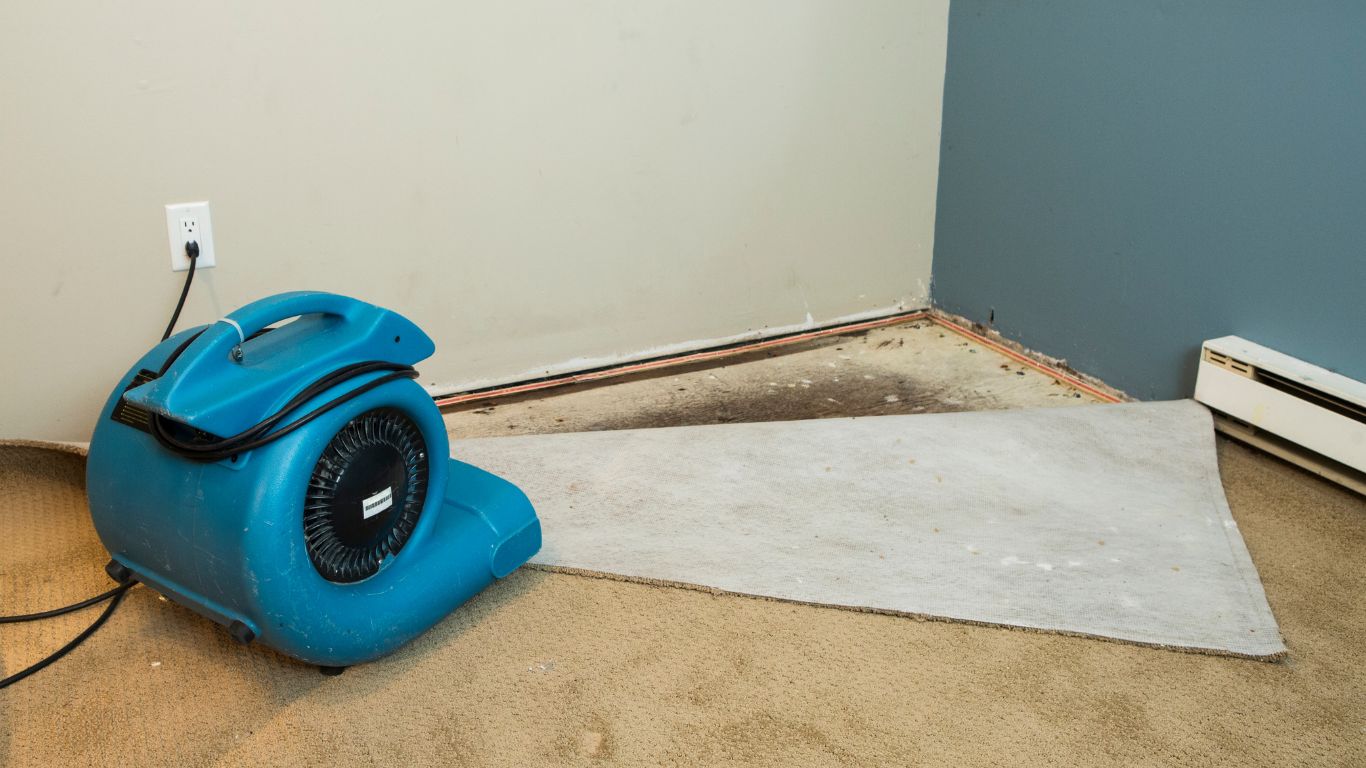
Full Guide for Fast Water Damage Restoration in Downers Grove
Water damage can hit your home fast and without warning. One minute everything is fine, and the next you’re dealing with a leaking pipe, a flooded basement, or water spreading across your floors. When that happens, speed matters more than anything. Water damage restoration in Downers is all about stopping the damage early and getting your home back to normal before it gets worse.
At All Dry Services of South Suburban Chicago, we see how quickly water can move through a home, and we know how important fast action is in situations like these.
Why Water Damage Happens So Quickly in Homes
Water doesn’t wait around once it gets loose. It seeps out and spreads into the floors, walls, and carpet. It even hides behind surfaces you can’t see.
In many Downers Grove homes, water damage often starts with common issues. These include cracked pipes, sump pump failures, heavy rain, or appliance leaks. Usually, you don’t notice it right away.
Older homes can make things even trickier. Aging plumbing systems or small foundation cracks can give water an easy path inside. Once it gets in, it moves fast. That is why water damage restoration in Downers is necessary almost immediately after an incident, especially if water continues to spread uncontrollably.
The First Things You Should Do After Water Damage
When water damage happens, your first steps matter a lot. Start by turning off the water source if you can do it safely.
Next, avoid any electrical areas that may be wet. Water and electricity do not mix, so safety comes first. If it is safe, move important items like electronics, furniture, or documents to a dry area.
Quick thinking in the first few minutes often makes a big difference in water-damage restoration situations.
Why Fast Water Damage Restoration Matters
Time plays a huge role in water damage. The longer water sits, the more it soaks into materials. Drywall starts to weaken, wood begins to swell, and carpets can become fully saturated. What starts as a small leak can turn into a major repair job.
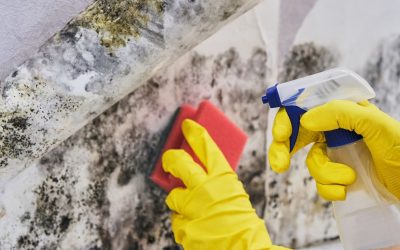
Mold is another big concern. Once it spreads, cleanup becomes more complex and expensive. Acting quickly with water damage restoration helps prevent these problems from getting out of control.
The Water Damage Restoration Process Step by Step
Understanding the restoration process can help you feel more prepared when water damage happens.
Inspection and Damage Assessment
Professionals start by checking how far the water has spread. They use tools such as moisture meters and thermal imaging to detect hidden water behind walls or under floors.
Water Removal and Extraction
Next comes getting rid of the stagnant water. High-powered pumps and vacuum units quickly pull out water. This helps stop the damage from spreading. This part is kinda urgent, and they often use a mix of those tools.
Drying and Dehumidification
After extraction, the drying process starts. Air movers and dehumidifiers work together. They pull moisture from the air and building materials.
Cleaning and Sanitizing
Water can carry dirt, bacteria, or other contaminants, and sometimes it just feels like it won’t quit. By cleaning and then sanitizing, you help make sure your home is safe again, even if it takes a bit of effort.
Repairs and Restoration
Finally, the damaged stuff like drywall, flooring, or insulation might need some repair work or replacement.
This full process is what makes water damage restoration effective and complete.
Common Mistakes Homeowners Make After Water Damage
One of the biggest mistakes people make is waiting too long to call for help. Water damage does not improve on its own. It only gets worse.
Another common mistake is trying to dry everything using household fans. While fans help a little, they cannot reach moisture trapped inside walls or floors. Some homeowners also assume things are dry once the surface looks fine, but hidden moisture can persist.
Ignoring these issues can turn a small problem into a much bigger one. That is why professional water damage restoration is so important.
How Professionals Speed Up Recovery
Professionals bring tools and experience that most homeowners do not have. Industrial equipment dries spaces faster and more thoroughly. Experts also know where hidden moisture hides, even in areas you would not think to check.
At All Dry Services of South Suburban Chicago, we focus on getting homes back to normal as quickly as possible. A structured process helps reduce downtime and prevents long-term damage. This makes water damage restoration much more efficient compared to DIY cleanup.
Preventing Future Water Damage in Downers Grove Homes
You can’t stop all water issues, but small habits can lower the risk. I mean, checking your sump pump on a regular basis helps make sure it’s ready when you actually need it. Cleaning gutters and downspouts helps direct water away from your home safely.
It’s also smart to peek at appliances and plumbing for little leaks. Catching them early can stop bigger problems later. Small maintenance steps can help prevent water damage. They can also save you from expensive restoration costs.
When to Call Water Damage Restoration Experts
Some situations require you to get professional help right away. If you see standing water that won’t drain, notice musty odors, or find mold spots, it’s time to call the experts. Also, if the water spreads into several rooms, or it starts hitting walls and flooring, it’s not something to wait on.
All Dry Services of South Suburban Chicago helps homeowners handle these situations with care and speed. The sooner you act, the easier it is to limit damage and restore your home.
Acting Fast Protects Your Home
Water damage can feel overwhelming, but quick action changes everything. The faster you respond, the less damage your home will face. Water damage restoration is not just about cleanup. It is about protecting your home, your belongings, and your peace of mind.
At All Dry Services of South Suburban Chicago, we understand how stressful water damage can be. With the right response and support, your home can recover faster than you think.