 All Dry Services of Chicagoland

 60 Min Response Time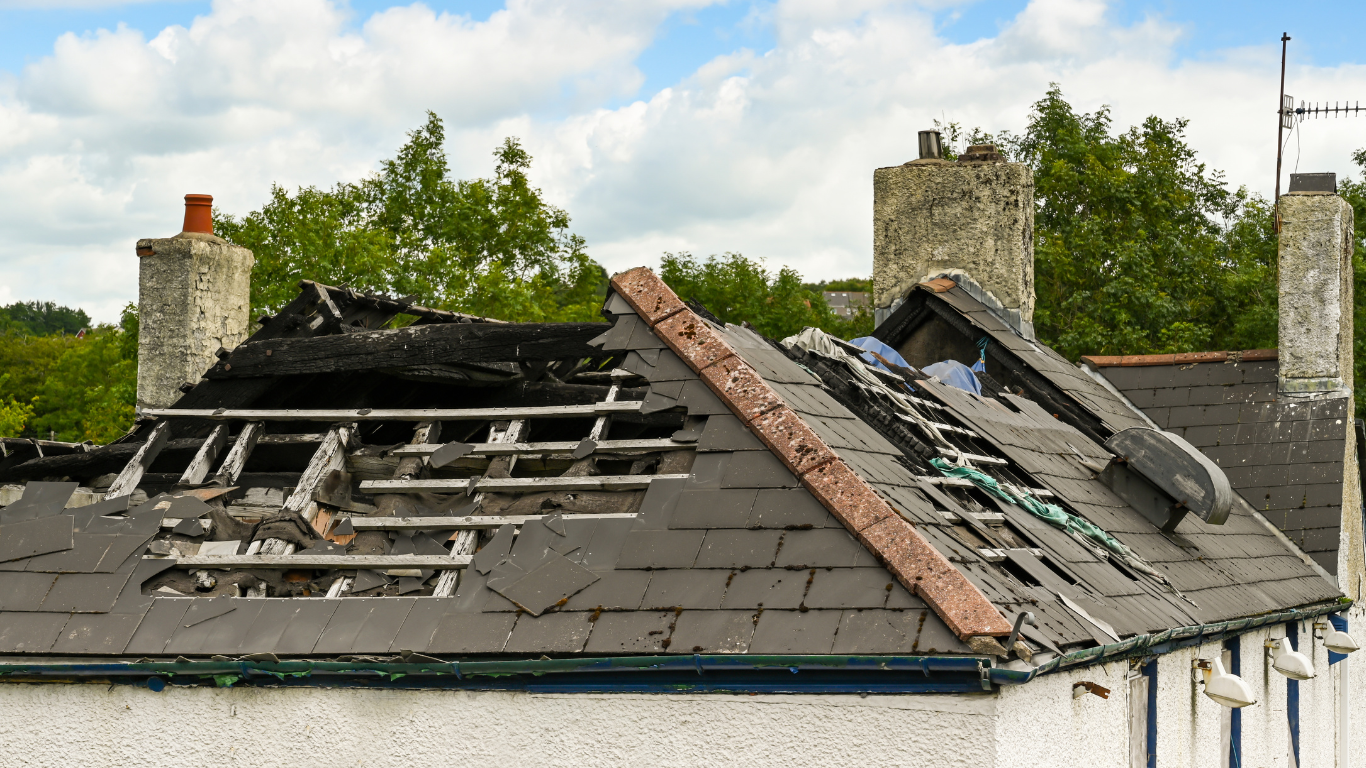
Emergency Storm Damage Restoration in Downers After Wind, Hail, and Heavy Rain
When a storm hits the Downers, it’s rarely a calm event. One minute, it’s just dark clouds overhead, and the next, you’re facing wind-driven rain, hail, or water leaking into places it shouldn’t, like along baseboards, through a stained ceiling, or pooling near a floor drain.
If you’re looking for storm damage restoration in Downers, here’s something crucial to know: the first few hours after the storm hits can make all the difference. Quick action helps limit water spread, prevents mold, and lowers the risk of hidden damage to your home or business.
Why storms cause more than “visible” damage
The first thing that comes to mind after a storm is finding visible damage such as blown-off shingles, broken windows, or damaged trees. These are significant, but storms often create invisible opportunities for water intrusion that can persist even after the skies have cleared.
Ways water gets into buildings following storms include:
- Roof impacts: Hail can bruise shingles. It can also loosen flashing or crack vents. This damage may let rain seep into attic insulation and ceiling materials.
- Siding and window leaks: Wind can push rain sideways. This can force water into gaps around windows, doors, and siding seams.
- Foundation and grading issues: Saturated soil and poor drainage can push water toward the foundation, leading to seepage in basements and crawl spaces.
- Overwhelmed drains and sump systems: Heavy rain can exceed what drains or sump pumps can handle, resulting in flooding.
Even if the water appears to have “dried up,” moisture can remain trapped behind drywall, under flooring, and in insulation. That’s where water damage restoration and leak detection become critical, because what you can’t see can still warp materials, weaken surfaces, and fuel mold.
Storm damage restoration: what emergency response should look like
In the hours after a storm, the goal is to stabilize the situation and stop further damage. A professional storm response typically focuses on safety, moisture control, and preventing secondary issues like mold or odors.
Here’s what a strong emergency response generally includes:
- Assessment of affected areas: Identifying where water entered and how far it traveled, especially into hidden cavities.
- Water removal and flood cleanup: If you have standing water, flood damage restoration starts with extraction and careful attention to where water is pooling.
- Drying and dehumidification: Drying isn’t just “turn on a fan.” Controlled drying helps protect floors, walls, and contents while reducing the chance of mold.
- Targeted leak detection: Pinpointing active leaks (roofline, window frames, plumbing disturbed by shifting, etc.) so the source can be addressed.
- Monitoring moisture: Checking progress so materials dry properly, not just on the surface.
In Downers, storms can be intense and fast-moving. That’s why emergency storm damage restoration is less about a single fix and more about a coordinated response to water intrusion, humidity spikes, and contamination risks.
What to do right away after wind, hail, or heavy rain
You don’t need to be an expert to make smart first moves. A few practical steps can reduce damage while you wait for help. Just don’t put yourself in danger to do them.
Start with safety:
- Don’t go near wet plugs, cords, or electrical boxes. Turn off the power if it’s safe to do so.
- Check for sagging ceilings or bulging drywall. Water that is stuck in there could make them fall.
- If you smell gas or see a fire, get out right away. Get in touch with the police.
Then limit further water exposure:
- Move small valuables and electronics to a dry location.
- If water is coming in, use towels or containers to catch drips and protect the floor.
- Take clear photos of affected areas for documentation.
Avoid common mistakes: A wet carpet or damp drywall won’t just “air dry.” It can cause problems. Don’t use household bleach on suspected mold. Removing mold needs the right method. This helps prevent the spread of spores and addresses what’s hidden beneath the surface.
When storm damage becomes water damage (and why mold can follow)
Storms often start as exterior damage but quickly become interior water problems. Once water is inside, it can wick upward through drywall, soak into subfloors, and settle into insulation. That’s when water damage restoration becomes the next step, not just drying what you can see, but addressing where moisture traveled.
Mold is a common concern after storm events because damp materials and elevated indoor humidity create ideal conditions for mold growth. Mold removal and remediation may be needed if growth appears or if moisture remains long enough to contaminate building materials. Even if you don’t see mold, musty odors can be an early warning sign, odor removal is often part of restoring indoor comfort after water intrusion.
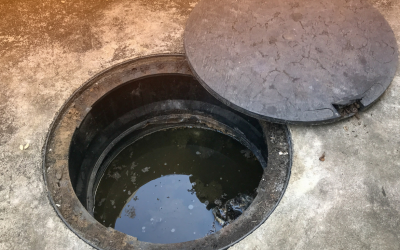
It’s also worth noting that storm-related water isn’t always “clean.” Water that enters through a basement, floor drain, or backed-up line can carry contaminants. In those cases, sewage cleanup may be necessary to sanitize and restore the area properly.
Commercial properties: special challenges after storms
For businesses in Downers, storm damage can quickly turn into downtime, lost inventory, and disrupted operations. Commercial restoration often calls for speed alongside thoroughness, particularly when water is involved in offices, stores, or warehouses.
- Commercial storm damage could result in:
- Water intrusion affecting flooring, drywall, and tenant areas
- Damaged ceilings and insulation from roof leaks
- Humidity issues that can impact equipment, paper records, or product packaging
- Odors that linger in carpeted or upholstered areas
A timely response can help limit the spread of damage and get spaces stabilized sooner. If storm conditions create additional hazards, such as compromised materials or contamination, hazardous material cleanup may also be part of the recovery plan.
Not all storm events are “just storms.”
Severe weather conditions can lead to other emergencies that require specialized restoration services. Both fire and smoke damage restoration are needed due to lightning strikes and electrical problems during storms. A fire that starts small will create soot and odor that extend beyond the initial room.
Similarly, a storm can expose pre-existing issues, such as slow plumbing leaks or hidden seepage, that only become obvious once materials are saturated. Leak detection is valuable in storms. It helps tell if water is from a one-time weather event or an ongoing source. This distinction prevents further damage.
How to know it’s time to call for help
Some storm situations require an emergency response, while others need to be monitored because they could escalate. You should contact us when you observe the following situations:
- Standing water, wet carpet, or soaked flooring
- Ceiling stains, bubbling paint, or soft drywall
- Musty smells or increased indoor humidity
- Water in a basement or crawl space after heavy rain
- Any sign of contaminated water or a drain backup
Storm damage restoration isn’t just about drying things out; it’s about restoring your property safely and preventing future issues like mold, odors, or structural damage.
Wind, hail, and heavy rain are common in Downers, but the long-term damage they cause doesn’t have to be. The sooner you find water intrusion and start drying, the better. Act quickly to prevent mold, bad smells, and costly repairs. If your home or business has storm damage, you need help. The right restoration services can make a big difference. This includes water damage, flood damage, mold cleanup, sewage cleanup, and commercial restoration. Getting help can ease your stress and help you return to normal. Contact All Dry Services of Chicagoland today to get the professional help you need for storm damage restoration.
To stay current with us, please follow our Instagram and X pages.