 All Dry Services of Greater New Orleans

 60 Min Response Time
Mold is a common problem that many homeowners face, and it can be particularly problematic when it starts to grow in the attic. Mold in the attic poses a serious health risk to you and your family, as it releases spores into the air that can trigger allergies, respiratory issues, and other health problems. In this article, we will explore the various dangers associated with mold in the attic, how to identify its presence, what causes it to grow, the importance of removing it, steps for attic mold removal, and the benefits of hiring a professional for attic mold remediation.
Health Risks Associated with Mold in the Attic
Mold in the attic can have detrimental effects on your health. When mold spores are inhaled, they can cause allergic reactions, such as sneezing, coughing, and watery eyes. Individuals with asthma or other respiratory conditions are particularly susceptible to these symptoms. Prolonged exposure to mold spores can also lead to more severe health issues, including respiratory infections, bronchitis, and even pneumonia.
Furthermore, certain types of mold, such as black mold, produce mycotoxins that can have toxic effects on the body. These toxins can cause neurological symptoms, such as headaches, dizziness, and memory loss. They can also weaken the immune system, making individuals more susceptible to infections and illnesses.
Signs of Mold in the Attic
Detecting mold in the attic can be challenging since it is often a hidden problem. However, there are some signs that can indicate its presence. One of the most obvious signs is a musty odor in the attic. If you notice a damp, earthy smell when you enter the attic, it is likely that mold is growing.
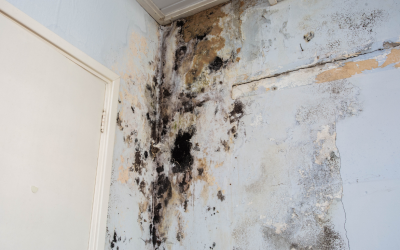
Another sign to look out for is visible mold growth on surfaces. Mold can appear as black, green, or brown spots on walls, ceilings, and insulation. It may also present as a fuzzy texture or a slimy film. Additionally, if you notice any water stains or discoloration on the attic walls or ceiling, it could be an indication of a moisture problem and potential mold growth.
Causes of Mold Growth in the Attic

Understanding the causes of mold growth in the attic is crucial in preventing its occurrence. The primary cause is excess moisture. Attics are prone to moisture buildup due to poor ventilation, roof leaks, or condensation from hot and humid air rising from the lower levels of the house. When moisture is present, it creates the perfect environment for mold spores to grow and thrive.
Another contributing factor is insufficient insulation. Inadequate insulation can lead to temperature imbalances in the attic, causing warm air to meet cold surfaces, resulting in condensation and mold growth. Additionally, if there are any plumbing leaks or water damage in the house, the excess moisture can travel through the walls and ceiling, affecting the attic as well.
The Importance of Attic Mold Removal
It is essential to address mold in the attic promptly to protect your health and prevent further damage to your home. Mold removal is crucial because mold spores can easily spread throughout the house, contaminating the air you breathe in other living spaces. This can exacerbate existing respiratory conditions and cause health problems for you and your family.
Moreover, mold can cause structural damage to your attic and compromise the integrity of your home. It can weaken the wooden framework, cause rotting, and even lead to ceiling or roof collapses if left untreated for an extended period. By removing mold from your attic, you are not only safeguarding your health but also preserving the value and safety of your property.
Steps for Attic Mold Removal
While small-scale mold problems can be tackled with DIY methods, it is crucial to follow the necessary steps to ensure effective and safe removal. Here is a step-by-step guide for attic mold removal:
- Assessment: Begin by inspecting the attic thoroughly to determine the extent of the mold growth and identify the underlying causes of moisture. This will help you develop an appropriate plan for removal.
- Containment: Before starting the removal process, it is essential to isolate the affected area to prevent cross-contamination. Seal off the attic from the rest of the house by covering vents, doorways, and any openings.
- Personal Protective Equipment (PPE): Put on protective gear, including gloves, goggles, and a respirator, to protect yourself from mold spores and mycotoxins during the removal process.
- Removal: Carefully remove any affected materials, such as insulation, drywall, or carpet, that cannot be salvaged. Use plastic bags to seal and dispose of them properly to prevent the spread of mold spores.
- Cleaning: Thoroughly clean all surfaces in the attic using a bleach-based cleaner or a commercial mold removal product. Scrub the affected areas with a brush to remove any remaining mold spores and stains.
- Drying: After cleaning, ensure that the attic is completely dry to prevent future mold growth. Use fans, dehumidifiers, or open windows to increase airflow and reduce moisture levels.
- Prevention: Address the underlying causes of mold growth by improving attic ventilation, fixing roof leaks, and ensuring proper insulation. This will help prevent future mold problems.
Hiring a Professional for Attic Mold Remediation

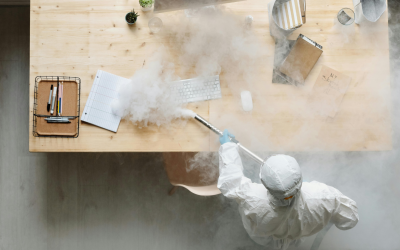
While DIY methods can be effective for small-scale mold problems, it is advisable to hire a professional for larger or more severe cases of attic mold growth. Professional Mold Removal & Remediation in Metairie, LA service has the knowledge, experience, and specialized equipment to safely and effectively remove mold from your attic.
Professionals can conduct a comprehensive assessment of the mold issue, identify the root causes, and develop a tailored plan for mold remediation. They have access to advanced techniques and products that can ensure thorough mold removal and prevent future growth. Additionally, professionals can handle the containment and disposal of mold-infested materials, reducing the risk of cross-contamination.
Preventing Mold Growth in the Attic
Prevention is key when it comes to mold in the attic. By taking proactive measures, you can minimize the risk of mold growth and protect your health. Here are some preventive steps you can take:
- Proper ventilation: Ensure that your attic has adequate ventilation to allow for air circulation and reduce moisture buildup. Install vents or fans if necessary.
- Regular inspections: Regularly inspect your attic for any signs of leaks, water damage, or condensation. Address these issues promptly to prevent mold growth.
- Insulation: Properly insulate your attic to maintain consistent temperatures and prevent condensation. Consider consulting an insulation professional for guidance.
- Control humidity: Use dehumidifiers or air conditioners to control humidity levels in your home, including the attic. Maintain relative humidity below 50% to discourage mold growth.
- Address leaks promptly: If you notice any leaks or water damage in your attic, address them immediately to prevent moisture buildup and mold growth.
DIY Methods for Attic Mold Removal
If you are dealing with a small area of mold growth in your attic, you can attempt to remove it yourself using DIY methods. However, it is important to note that DIY methods may not be as effective or thorough as professional mold remediation. Here are some DIY methods you can try:
- Vinegar: Vinegar is a natural and effective mold killer. Mix equal parts vinegar and water in a spray bottle and apply it to the affected areas. Let it sit for a few hours before scrubbing and rinsing.
- Baking Soda: Baking soda is another natural remedy for mold removal. Mix baking soda with water to create a paste and apply it to the moldy surfaces. Scrub gently and rinse with water.
- Hydrogen Peroxide: Hydrogen peroxide is a powerful mold killer. Spray 3% hydrogen peroxide directly onto the moldy surfaces and let it sit for 10 minutes before scrubbing and rinsing.
- Borax: Borax is a natural fungicide that can effectively kill mold. Mix one cup of borax with one gallon of water and apply it to the moldy areas. Scrub and rinse thoroughly.
- Remember to wear protective gear, such as gloves and a respirator, when using these DIY methods. However, if the mold problem persists or covers a large area, it is best to consult a professional for proper mold removal.
Conclusion
Mold in the attic is a hidden danger that can have serious implications for your health and home. It is imperative to be aware of the signs of mold growth, understand the health risks associated with it, and take immediate action to remove and prevent its occurrence. Whether you choose to tackle the mold removal yourself or hire a professional, the key is to address the problem promptly and thoroughly. By doing so, you can safeguard your health, protect your home, and ensure a safe living environment for you and your family.