 All Dry Services of Greater New Orleans

 60 Min Response Time
Odor Removal in Kenner, LA to Eliminate Smoke, Mold, and Water Damage Smells for Good
When a strange smell won’t go away, it’s rarely “just an odor.” In Kenner’s humid climate, smells like smoke, mold, or water damage often mean something is trapped in your home or business. It could be inside drywall, under flooring, in insulation, or deep in the HVAC system.
If you’re searching for odor removal in Kenner, LA, the goal shouldn’t be to cover it up with fragrance. It should be to find the source, fix the damage, and remove the odor at the material level so it doesn’t come back after the next rainy week.
Why odors linger after smoke, mold, or water damage
The smells persist because these molecules remain in porous materials. The gases continue to emanate from these materials over time. A room may remain pleasant throughout the day but become moldy again due to an air conditioner or high humidity.
Here are the most common reasons smells won’t leave:
- Moisture is still present behind walls, under baseboards, or beneath flooring, fueling bacteria and mold growth.
- Porous materials absorbed contaminants (drywall, carpet pad, insulation, upholstery), which can’t be cleaned on the surface alone.
- Soot and smoke residue embedded in surfaces after a fire, even a small one, continues to off-gas.
- Sewage or gray water contamination leaves organic matter behind, which can produce a persistent odor if not properly removed and sanitized.
The key takeaway: if the source remains, the smell remains, no matter how many candles or sprays you try.
Odor removal in Kenner, LA: matching the solution to the smell
Different odors point to different problems. Treating them correctly is what makes odor removal last.
Smoke smells: more than “airing it out.”
Smoke odor can come from a major fire or even a smaller incident that left residue throughout the property. Smoke particles are tiny and travel fast, settling into fabrics, vents, and textured surfaces. If the structure was affected, you may need Fire Damage Restoration and Smoke Damage Restoration alongside odor work.
Long-term smoke odor removal typically involves detailed cleaning of residues, targeted deodorization, and addressing any materials that are too saturated to save.
Moldy or musty smells: a moisture problem in disguise
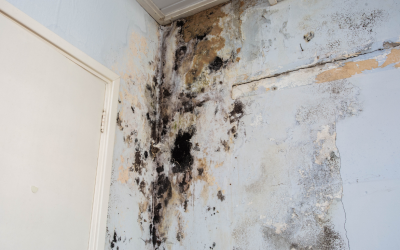
A “musty smell” in a slab home or even in your closet usually indicates moisture hidden somewhere. Although no visible mold may be seen, it could still be growing behind walls, under cabinets, or in insulation. In which case, Mold Removal & Remediation becomes the appropriate solution.
Because mold odors can flare up with humidity, they’re especially common after storms, AC issues, or slow leaks.
Water damage smells: wet materials that never fully dried
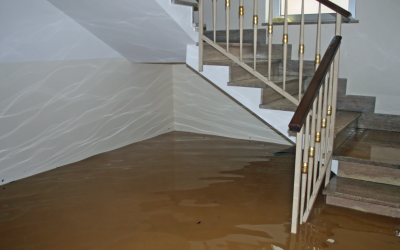
Odors are produced when moisture does not dry out. This may be due to materials such as padding beneath carpets or drywall edges, which can retain moisture and lead to a musty odor. It is very important for Water Damage Restoration and Flood Damage Restoration to take place.
Sewage odors: treat as contamination, not inconvenience
The presence of a putrid, rotting, or offensive organic smell suggests the problem may be due to contamination or water backup. Sewage Cleanup, on the other hand, is intended to remove contaminated materials and decontaminate affected areas.
The hidden sources most people miss (and why the odor keeps coming back)
One reason odors in Kenner properties can be so stubborn is that the source is often out of sight. A quick surface clean might help temporarily, but it won’t touch what’s underneath.
Common hidden odor sources include:
- Slow plumbing leaks inside walls or under sinks (often discovered through Leak Detection).
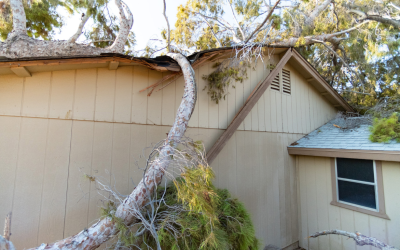
- Wet insulation in exterior walls after wind-driven rain or roof issues (sometimes tied to Storm Damage Restoration).
- Water under flooring where moisture gets trapped, and bacteria multiply.
- Cabinet toe-kicks and drywall bottoms that wick water like a sponge.
- HVAC return areas that circulate odor throughout the building.
If you’ve cleaned repeatedly and the smell still returns, especially after the AC runs or after rain. There’s a strong chance something damp or contaminated remains.
Actionable steps: what to do when you notice a persistent odor
Getting professional help is usually the quickest way to a lasting solution. However, you can take some smart steps now to reduce damage and clarify your next choices.
- Document the pattern. Note when the smell is strongest (after rain, in the morning, when AC runs). This helps narrow the source.
- Check for moisture clues. Look for bubbling paint, soft baseboards, warped flooring, or discoloration.
- Don’t seal it in. Avoid painting over stains or installing new flooring before the area is fully dry and cleared of contamination.
- Limit air movement from the affected area. If you suspect mold or sewage contamination, running fans without proper containment can spread particles.
- Address the cause, not the symptom. If there’s an active leak or recent storm intrusion, prioritize stopping water entry and drying first.
These steps won’t replace professional odor removal, but they can prevent the situation from escalating and help ensure you don’t spend money twice.
What professional odor removal typically includes
Effective odor removal is usually part of a bigger restoration plan. The best results come from combining deodorization with cleanup, removal of damaged materials, and moisture control.
Depending on what caused the odor, professional work may include:
- Inspection and moisture checks to locate damp areas and determine the extent of the issue.
- Targeted drying and stabilization as part of Water Damage Restoration or Flood Damage Restoration.
- Removal of unsalvageable porous materials that continue to hold odor.
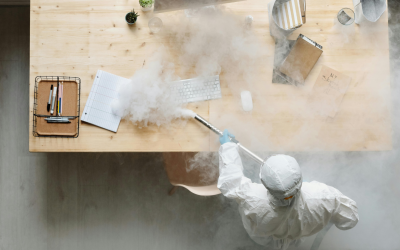
- Cleaning and deodorization designed to neutralize odor particles rather than mask them.
- Mold Removal & Remediation if microbial growth is present or suspected.
- Fire Damage Restoration and Smoke Damage Restoration when smoke residues are driving the odor.
- Sewage Cleanup when contamination is involved.
For businesses, the approach may be coordinated through Commercial Restoration to reduce downtime and address affected areas efficiently, especially when odors impact customers, staff, or inventory.
Why timing matters in Kenner’s humidity
Humid conditions will cause odor problems very quickly. Moisture that persists for 2 days helps microbes grow. Also, smoke residue clings more tightly to surfaces. As time goes on, it becomes more likely that restoration won’t work. Then, the material will need to be replaced.
A quick reaction will also help prevent secondary damage, such as wood swelling, crumbling of drywall edges, and the spread of odor to other rooms. In the event of a storm and/or leaks, Leak Detection should be coupled with Storm Damage Restoration/Water Damage Restoration.
Choosing the right help: what to look for
Since most odors are caused by underlying surface damage, look for someone who does more than treat odors with an air-freshener approach. What is needed is a method for identifying the cause, removing or restoring the affected materials, and preventing recurrence.
It’s also worth asking whether the plan addresses the underlying category of damage: water, smoke/fire, mold, or sewage, since each one has different safety considerations and cleanup requirements.
Persistent odors can be frustrating. They also provide useful information. They signal that something in your property hasn’t been fully cleaned, dried, or repaired. By using the right mix of odor removal and restoration, you can tackle smells at their source. This includes water damage work, mold cleanup, smoke and fire restoration, or sewage cleanup. With help from All Dry Services of Greater New Orleans, you can enjoy a space that feels truly clean again. Contact us today for professional odor removal and restoration services.
To stay updated with us, please follow our Facebook and Instagram pages.