 All Dry Services of Greater New Orleans

 60 Min Response Time
A Step-by-Step Flood Damage Restoration Guide for Homeowners in Chalmette, LA
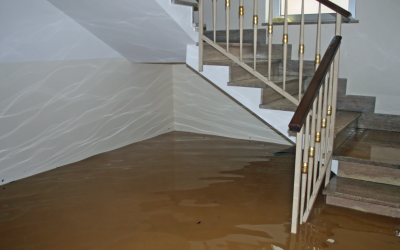
When your home floods in Chalmette, LA, the first few hours can be overwhelming, with standing water, soaked drywall, that musty smell, and a million “what now?” questions racing through your mind. The good news is that flood damage restoration in Chalmette, LA is most effective when you act quickly and follow a clear, step-by-step plan.
This guide provides a practical recovery checklist covering everything from immediate safety measures to drying, cleaning, and rebuilding. Along the way, you’ll discover how professional help, such as flood, water, and sewage damage restoration, leak detection, mold removal & remediation, and cleanup, can protect your home and reduce overall downtime.
1) Make the home safe before you touch anything
Floodwater changes the rules fast. Before you start moving items or pulling carpet, focus on safety. If you’re uncertain, take a moment to get help. This is especially important after storms, when dangers can increase.
- Shut off electricity if water has reached outlets, wiring, appliances, or the breaker area. Don’t walk into standing water if power may be on.
- Turn off the gas if you smell gas or suspect damage.
- Stay away from any floodwater. It can carry germs, chemicals, or even sewage. If there’s any chance the water is contaminated, treat it as Category 3 and prepare for sewage cleanup.
- Wear safety gear: rubber boots, gloves, goggles, and an N95 respirator mask or something better.
- Check for sagging ceilings, warped floors, shifted walls, or cracks, which may indicate structural instability.
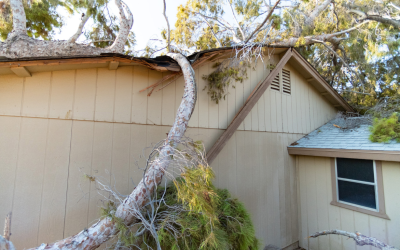
If a storm caused the flooding, you may also be dealing with roof leaks, broken windows, or downed trees, situations that often call for Storm Damage Restoration in addition to flood recovery.
2) Document everything for insurance (before cleanup if possible)
It’s tempting to start ripping out wet materials immediately, but a little documentation can save you major headaches later.
- Take wide shots of each room. Then, get close-ups of damaged items like floors, baseboards, furniture, and electronics
- Record water lines on walls and cabinets
- Make a quick inventory list: what’s damaged, brand/model if known, and approximate age.
- Keep receipts for any emergency supplies or temporary repairs.
If you need to remove items for safety, photograph them first, then move them to a dry area.
3) Stop the source: floodwater vs. hidden plumbing leaks
Floods that occur in different locations exhibit distinct characteristics. The water could have originated from external sources, which include storm surge, rainfall, and drainage problems. Alternatively, it could be from something inside, such as a burst pipe, a malfunctioning water heater, or a slow leak that eventually became noticeable.
If the source isn’t clear or if water keeps coming back, Leak Detection can identify the issue. This way, you won’t have to dry the same area twice. Stopping the source is a key first step in both Flood Damage Restoration and Water Damage Restoration.
4) Remove standing water fast (and know when to call in pros)
Water spreads more into subfloors, wall cavities, and insulation the longer it sits. Quick extraction reduces swelling, warping, and the risk of mold.
- Small, clean water: you may be able to use a wet/dry vacuum and towels.
- Large volume or contaminated water: professional extraction is safer and typically much faster.
- Basements and crawlspaces: pump-outs must be done carefully to avoid pressure-related structural issues.
If the water shows any of these three conditions, which are foul odors, cloudy appearance, and possible contamination from drainage, toilet, and outdoor runoff, then you should first seek Sewage Cleanup through professional services, which will handle controlled removal.
5) Start controlled drying: airflow, dehumidification, and temperature
Drying isn’t just “turn on a fan.” Flooded materials hold moisture deep inside, and Chalmette, LA humidity can slow evaporation. Effective drying requires control. You need to balance airflow, dehumidification, and temperature. This helps pull moisture from building materials.
- Open windows only if outdoor humidity is lower than indoor humidity (which is often not the case).
- Use dehumidifiers and fans to keep air moving across wet surfaces.
- Remove wet rugs, cushions, and clutter so air can circulate.
- Only pull baseboards or drill weep holes if you know what’s behind the wall. Wiring and plumbing might be there.
Professional Water Damage Restoration teams typically monitor moisture with specialized meters and adjust equipment placement as materials dry. This actually helps prevent problems with the irritating odor and the mildew smell that can emerge later, as some people’s dirty clothes can smell like wet clothes.
6) Decide what can be saved and what must be removed
After a flood, some materials can be cleaned and dried; others are better removed to prevent contamination or long-term deterioration.
Often salvageable (depending on water category and drying speed): solid wood furniture, some hardwood (if addressed quickly), certain plastics/metal items.
Often requires removal: soaked insulation, swollen particleboard cabinets, warped laminate, and many porous items exposed to contaminated water (mattresses, upholstered furniture, stuffed toys).
This is where professional Flood Damage Restoration can be especially helpful; experienced technicians can tell whether a material is realistically restorable or likely to fail later.
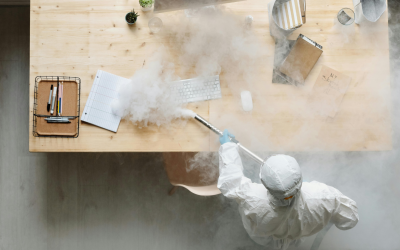
7) Clean, disinfect, and handle sewage the right way
Cleaning after a flood is about more than appearance. It’s about removing contaminants and preventing microbial growth.
- Use appropriate disinfectants on hard, non-porous surfaces.
- Do not mix chemicals (especially bleach with ammonia-based cleaners).
- Wash clothing and washable fabrics in hot water when possible.
- Keep children and pets away from affected areas until cleaning is complete.
If sewage was involved or even suspected, professional Sewage Cleanup is the safest route. Contaminated water will carry pathogens to porous surfaces and HVAC systems. This will turn a “mess” into a health hazard.
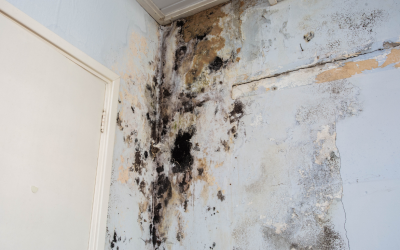
8) Prevent mold before it starts (and respond quickly if it appears)
In a warm, humid climate, mold can grow quickly once water gets in. The process can begin between 24 and 48 hours after it starts. Hidden moisture in wall cavities and under flooring can create the perfect environment for mold to grow.
- Watch for musty odors, new staining, or worsening allergy-like symptoms.
- Don’t paint over suspicious areas, covering them doesn’t fix them.
- Keep drying equipment running until materials are truly dry, not just “surface dry.”
If mold is present or likely, Mold Removal & Remediation focuses on three key steps: containment, safe removal, and fixing the moisture issue. Most owners choose Odor Removal after flooding. This is particularly true when musty smells persist in the framework, carpeting, and soft goods.
It sounds counterintuitive, but flooding can increase fire risk. Water can hurt electrical parts, rust connections, and make things unsafe when power comes back.
If you encounter electrical problems, malfunctioning appliances, or a fire-related issue during recovery, it is advisable to seek assistance. In such cases, Fire Damage Restoration and Smoke Damage Restoration become vital along with water restoration services.
9) Rebuild smart: materials, timing, and moisture verification
The process of reconstruction after a flood needs to proceed at a measured pace because hasty rebuilding creates expensive problems. The installation of new drywall, paint, and flooring materials needs to proceed at a slow pace because hasty work will create wall moisture problems that will result in more extensive damage.
- Use moisture readings, not guesswork, to make sure things are dry.
- Consider flood-resistant materials where practical (especially in lower levels).
- Replace compromised insulation and warped structural components.
- Seal and finish only after drying and cleaning are complete.
Our Commercial Restoration staff will handle the drying, cleaning, and restoration process for your store front, office, or multiple unit complex with minimal disruption.
10) A quick homeowner checklist for the first 72 hours
Here’s what to do next, step by step:
- Safety first: electrical, natural gas, building integrity.
- Photograph and/or video document damage.
- Stop the source (leaks from storm entry points or pipes; if necessary, use Leak Detection).
- Get rid of extra water.
- Start the process of drying.
- Remove porous materials that can’t be repaired.
- Clean and disinfect; if the area is dirty, plan for sewage cleanup.
- Keep an eye out for mold and plan for remediation if necessary.
- If smells persist after drying, use Odor Removal to remove them.
The disaster recovery operation for the Chalmette, LA flood requires multiple procedures to be executed in a designated order. The process requires you to move through each step to protect the area from further harm while maintaining safe indoor air quality. If you’re facing standing water, hidden moisture, contamination, or signs of mold, bringing in professional Flood Damage Restoration and Water Damage Restoration support can turn an overwhelming situation into a controlled, trackable recovery.
Don’t let water damage take control. Reach out to All Dry Services of Greater New Orleans for expert flood damage restoration services. Our experienced team will walk you through every stage, ensuring your home returns to its best condition as quickly as possible.
To stay updated with us, please follow our Facebook and Instagram pages.