 All Dry Services of Greater New Orleans

 60 Min Response Time
Water damage is a common and costly issue that many property owners face. Whether it’s due to a burst pipe, a leaking roof, or a flood, the consequences can be devastating. Water damage can lead to structural issues, mold growth, and damage to personal belongings. Understanding the causes and effects of water damage is the first step in preventing further damage and taking quick action in restoration.
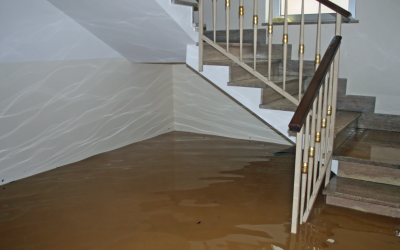
Water damage can occur in various ways. It can be caused by natural disasters such as floods or heavy rainstorms, or by internal issues like burst pipes or faulty plumbing. No matter the cause, the effects can be severe.
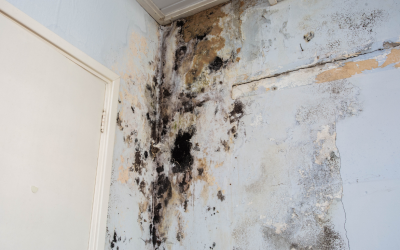
Water can seep into walls, floors, and furniture, causing structural damage and weakening the integrity of the property. Additionally, standing water can create the perfect environment for mold and mildew growth, which can lead to health issues for occupants.
The Importance Of Quick Action In Water Damage Restoration
When it comes to water damage restoration, time is of the essence. Acting quickly can significantly reduce the extent of damage and prevent further issues from arising. The longer water sits in your property, the more damage it can cause. Within minutes, water can start to seep into porous materials such as drywall and carpet, leading to staining and warping. Within hours, the risk of mold growth increases, and within days, structural damage becomes a real concern.
By taking quick action, you can mitigate these risks and save your property from further harm. The first step is to identify the source of the water and stop it if possible. Next, remove any standing water using pumps or wet vacuums. It’s crucial to wear protective gear such as gloves and boots during this process to avoid contact with contaminated water. Once the excess water is removed, thoroughly dry the affected area using fans and dehumidifiers. Finally, disinfect the area to prevent mold growth.
Water Damage Restoration Process
Water damage restoration is a complex process that requires expertise and specialized equipment. While minor water damage can be addressed with DIY methods, significant damage should be left to professionals. The restoration process typically involves the following steps:
- Assessment: Professionals will assess the extent of the damage and develop a restoration plan.
- Water extraction: Using powerful pumps and vacuums, excess water is removed from the property.
- Drying and dehumidification: The affected area is dried using industrial-grade equipment to prevent further damage and mold growth.
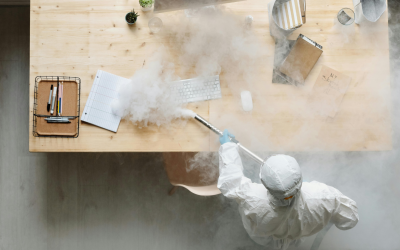
- Cleaning and sanitizing: All surfaces and belongings are thoroughly cleaned and sanitized to eliminate bacteria and mold spores.
- Restoration: Repairs and reconstruction are done to restore the property to its pre-damage condition.
- Hiring a professional water damage restoration service
When facing significant water damage, hiring a professional water damage restoration service is crucial. These professionals have the knowledge, experience, and equipment necessary to handle the restoration process effectively. They will assess the extent of the damage, develop a restoration plan, and ensure that your property is restored to its pre-damage condition.

When choosing a water damage restoration service, consider their reputation, experience, and certifications. Look for companies that are licensed, insured, and have positive customer reviews. A reliable restoration service will provide a detailed estimate of the work to be done and will work closely with your insurance company throughout the process. Remember, time is of the essence, so don’t delay in contacting a professional service when facing water damage.
DIY Water Damage Repair Tips
While major water damage restoration should be left to professionals, there are some steps you can take to address minor water damage on your own. Here are some DIY tips for water damage repair:
- Safety first: Before starting any repairs, ensure that the power supply to the affected area is turned off to prevent electrical hazards.
- Remove standing water: Use buckets, mops, or wet vacuums to remove as much standing water as possible.
- Dry the area: Open windows, use fans, and dehumidifiers to dry the affected area thoroughly. Consider renting industrial-grade equipment if necessary.
- Salvage belongings: Remove any wet or damaged items from the area and salvage what you can. Dispose of heavily damaged items properly.
- Disinfect: Use a solution of bleach and water to disinfect the area and prevent mold growth.
It’s essential to note that these DIY tips are only suitable for minor water damage. If you’re unsure about the extent of the damage or if mold growth is present, it’s best to consult a professional water damage restoration service.
Preventing Water Damage In Your Property
Prevention is key when it comes to water damage. By taking proactive measures, you can significantly reduce the risk of water damage to your property. Here are some tips to prevent water damage:
- Regular maintenance: Regularly inspect your property for any signs of leaks, cracks, or issues with plumbing. Address any problems promptly.
- Clear gutters and downspouts: Ensure that your gutters and downspouts are free from debris to allow proper water drainage.
- Proper landscaping: Direct water away from your property by ensuring that the ground slopes away from the foundation. Install a sump pump if necessary.
- Install water detection devices: Consider installing water detection devices that can alert you to leaks or excess moisture in your property.
- Know your water supply: Learn the location of your main water shut-off valve and how to turn it off in case of emergencies.
By implementing these preventive measures, you can minimize the risk of water damage and protect your property.
Signs Of Water Damage To Look Out For
Water damage may not always be immediately apparent, especially if it’s occurring within walls or hidden areas. However, there are some signs that indicate the presence of water damage. Keep an eye out for the following:
- Discoloration or staining on walls, ceilings, or floors.
- Musty or damp odors.
- Warped or buckling floorboards.
- Peeling or bubbling paint.
- Mold or mildew growth.
If you notice any of these signs, it’s essential to investigate further and address the issue promptly. Ignoring water damage can lead to more significant problems down the line.
Common Causes Of Water Damage
Water damage can occur due to various reasons. Understanding the common causes can help you take preventive measures and minimize the risk. Some of the most common causes of water damage include:
- Burst or leaking pipes: Aging or faulty plumbing can lead to burst pipes or slow leaks that can cause significant damage over time.
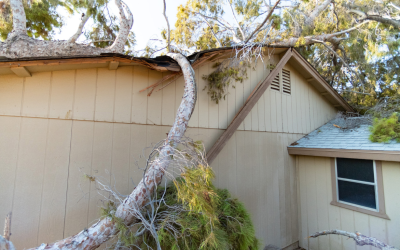
- Roof leaks: Damaged or missing roof shingles can result in water seeping into the property, causing damage to ceilings, walls, and insulation.
- Flooding: Natural disasters such as hurricanes or heavy rainstorms can lead to flooding, causing extensive water damage.
- Plumbing issues: Clogged drains, overflowing toilets, or malfunctioning appliances can result in water damage if not addressed promptly.
- Foundation issues: Cracks in the foundation or a high water table can lead to water seepage into basements or crawl spaces.
By being aware of these common causes, you can take preventive measures and mitigate the risk of water damage.
Water Damage Insurance Coverage

Water damage can be financially devastating. However, depending on your insurance coverage, you may be protected. Homeowner’s insurance typically covers water damage caused by sudden and accidental incidents, such as burst pipes or overflowing appliances. Flood insurance, on the other hand, is necessary for coverage against natural disasters or flooding.
It’s essential to review your insurance policy and understand the extent of your coverage. Consult with your insurance provider to ensure that you have adequate coverage for water damage. Additionally, document any damage and keep records of repairs and expenses for insurance purposes.
Conclusion
Water damage can have severe consequences for your property and your health. Understanding the causes and effects of water damage is crucial in taking quick action to minimize the damage and restore your property. Whether it’s hiring a professional water damage restoration service in Metairie, LA or implementing preventive measures, being proactive is key. Remember, time is of the essence, so don’t delay in addressing water damage to save your property from further harm.