 All Dry Services of Greater New Orleans

 60 Min Response Time
Floods can cause severe damage to homes and businesses, leaving communities in a state of devastation. In Metairie, Louisiana, a region susceptible to flooding due to its proximity to bodies of water and the risk of hurricanes, flood damage restoration is a critical process for recovery. This article delves into the importance of flood damage restoration, the common effects of floods in Metairie, and the steps involved in the restoration process. Understanding the significance of professional flood damage restoration services can help property owners in Metairie navigate the challenges of flood recovery, rebuild their lives, and restore communities.
The Significance of Flood Damage Restoration
Flood damage restoration is vital for communities affected by floods in Metairie. Floodwaters can cause extensive damage to structures, belongings, and the overall well-being of residents. Prompt restoration not only helps in salvaging properties but also ensures the safety of occupants and prevents further destruction.
Professional flood damage restoration services play a crucial role in the recovery process. These experts possess the knowledge, experience, and specialized equipment necessary to assess the damage, remove excess water, dry out the structure, and restore affected areas. Their expertise in handling contaminated water, addressing mold growth, and mitigating structural damage is essential for a comprehensive restoration effort.
Furthermore, professional restoration services provide support in navigating insurance claims, coordinating repairs, and implementing preventive measures against future flood damage. By engaging professionals, property owners can expedite the recovery process, minimize financial losses, and restore their properties to safe and habitable conditions.

Common Effects of Floods in Metairie
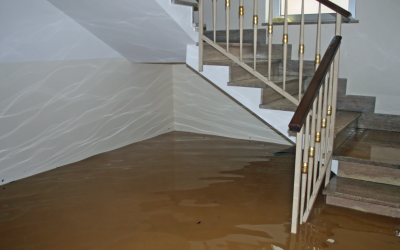
Floods in Metairie can have widespread and devastating effects on properties and communities. Some common effects of floods include:
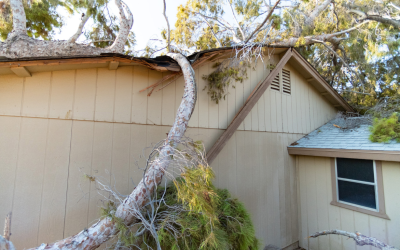
- Structural Damage: Floodwaters can weaken foundations, compromise structural integrity, and damage walls, flooring, and electrical systems. This requires extensive repairs or even rebuilding of affected structures.
- Contamination: Floodwaters often carry harmful contaminants, including sewage, chemicals, and debris. This contamination poses health risks to occupants and necessitates thorough cleaning and disinfection of affected areas.
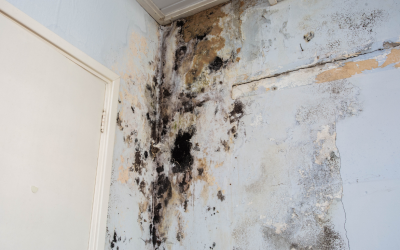
- Mold Growth: The excess moisture left behind by flooding creates an ideal environment for mold growth. Mold can proliferate within 24 to 48 hours, leading to further health hazards and requiring specialized remediation.
- Damage to Belongings: Floodwaters can destroy personal belongings, including furniture, appliances, and sentimental items. The restoration process involves salvaging, cleaning, and restoring as many items as possible.
- Disruption of Daily Life: Floods can displace residents, disrupt businesses, and force temporary closures. The restoration process aims to restore normalcy by providing safe living or working environments.
The Flood Damage Restoration Process
The flood damage restoration process involves several crucial steps that require professional expertise and specialized equipment. Here is an overview of the typical restoration process:
- Safety Assessment: Professionals conduct an initial assessment of the property to ensure it is safe to enter. They identify potential hazards, such as structural damage or electrical issues, and address them before beginning restoration.
- Water Extraction: Using powerful pumps and industrial-grade equipment, excess water is extracted from the property. This step is crucial to prevent further damage and enable the drying process.
- Drying and Dehumidification: Specialized dehumidifiers, air movers, and moisture detection tools are used to thoroughly dry out the affected areas. This step prevents mold growth, eliminates moisture-related issues, and prepares the property for restoration.
- Cleaning and Sanitization: Contaminated surfaces are thoroughly cleaned, disinfected, and deodorized to eliminate health hazards and restore a safe environment. Upholstery, carpets, and other items are cleaned or removed, depending on the extent of damage.
- Structural Repairs and Reconstruction: Damaged structural components, such as walls, flooring, and electrical systems, are repaired or replaced. This step ensures the stability and functionality of the property.
- Mold Remediation: If mold growth is present, professionals perform specialized mold remediation to eliminate the mold, sanitize affected areas, and prevent future growth.
- Content Restoration: Personal belongings that were affected by the flood are evaluated for salvageability. Professionals employ specialized techniques to clean, restore, and deodorize items as much as possible.
- Final Inspection and Preventive Measures: Before concluding the restoration process, a final inspection ensures that all restoration work has been completed satisfactorily. Professionals may provide recommendations for preventive measures, such as waterproofing or improving drainage systems, to minimize the risk of future flood damage.

Community Resilience and Preparedness
In addition to professional flood damage restoration services, community resilience and preparedness play crucial roles in mitigating the impact of floods in Metairie. Communities can take the following steps to enhance their resilience:
- Education and Awareness: Educate community members about flood risks, evacuation procedures, and emergency contacts. Promote awareness of flood insurance options and encourage residents to have appropriate coverage.
- Early Warning Systems: Implement and maintain effective early warning systems to alert residents of impending flood events. Ensure that community members understand the significance of these warnings and are prepared to take necessary actions.
- Infrastructure Improvements: Invest in infrastructure improvements, such as improved drainage systems, flood barriers, and levees, to reduce the impact of floods on properties and communities.
- Emergency Response Plans: Develop and regularly update comprehensive emergency response plans that outline procedures for evacuations, sheltering, and post-flood recovery efforts.
- Floodplain Management: Implement effective floodplain management strategies, including zoning regulations and land-use planning, to minimize future flood risks and protect vulnerable areas.
- Community Support Networks: Foster community support networks, including community organizations, volunteers, and resources, to assist residents during and after flood events.
Conclusion
Flood damage restoration is crucial in Metairie, Louisiana, where the risk of flooding poses significant challenges for property owners and communities. Engaging professional restoration services ensures a comprehensive recovery process, addressing structural damage, contamination, and mold growth. Alongside professional services, community resilience and preparedness are essential for minimizing the impact of floods and fostering a swift and effective response. By prioritizing flood damage restoration, implementing preventive measures, and promoting community resilience, Metairie can recover from floods, restore properties, and build a more resilient future.