All Dry Services of Denver

 60 Min Response Time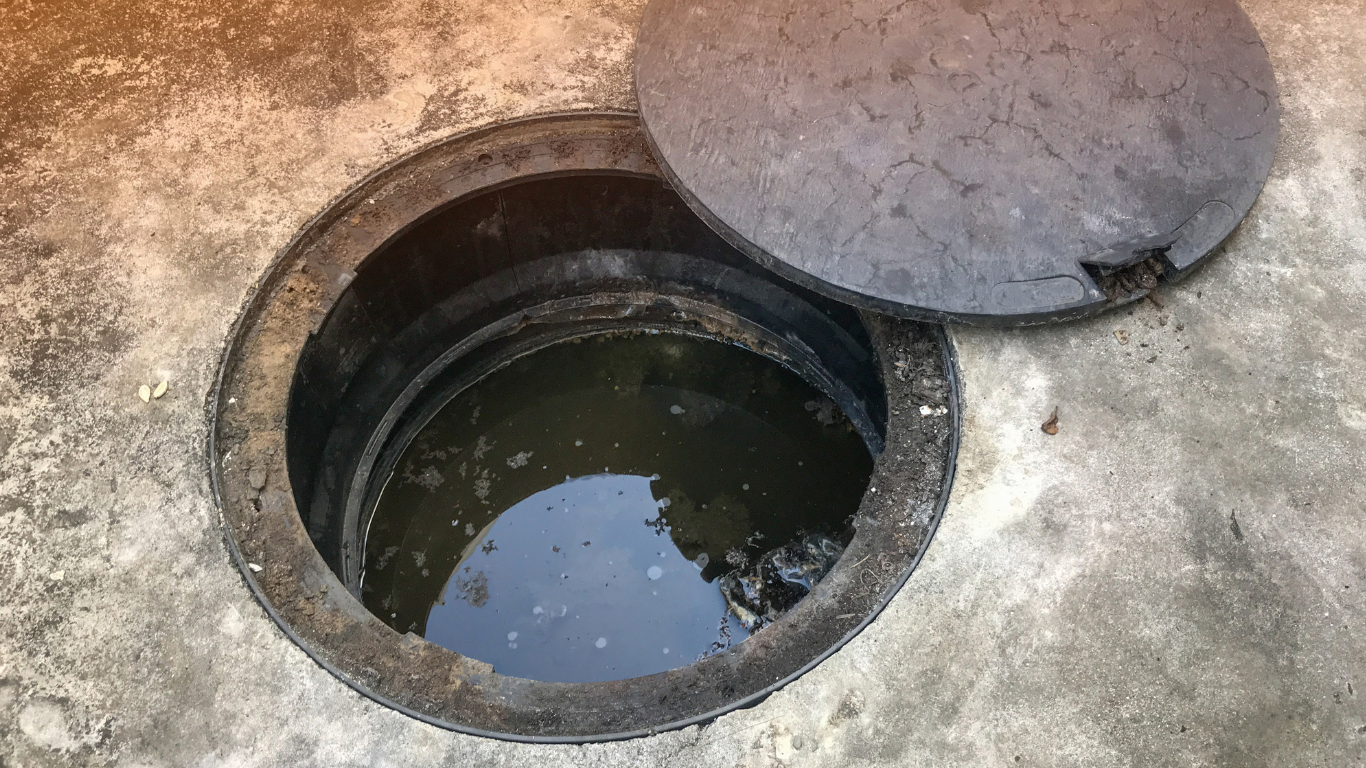
Sewage Cleanup in Denver CO Understanding Health Risks and Safe Cleanup Practices
When a sewer backup hits, it is more than a messy inconvenience. It can quickly become a serious indoor health hazard, especially if contaminated water spreads into carpet, drywall, or HVAC systems. For homeowners and business owners alike, sewage cleanup in Denver, CO often needs fast decisions, and the safest choice is not always the most obvious one.
Denver consists of old neighborhoods. Seasonal weather conditions can lead to sewer problems. It is important to know the contents of sewage water and the effects it has on you and your belongings.
Why sewage is so risky indoors
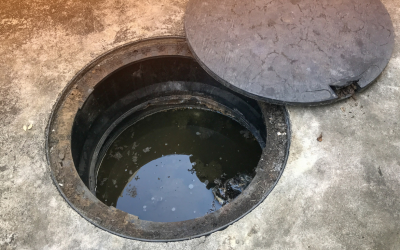
Sewage water is severely contaminated water. It also contains bacteria, viruses, parasites, and various chemicals. Regarding restoration, this type of contamination is not merely “water damage”. It is a biohazard case.
Even brief exposure can be a problem. You can get sick in several ways. First, by direct contact. Second, by touching contaminated surfaces. Lastly, you inhale tiny droplets and particles that float into the air during drying or cleaning.
Health issues associated with sewage exposure include:
- Gastroenteritis due to pathogens such as E. coli, Salmonella, and Norovirus
- Irritation of the skin and eyes from contaminated water and cleaning chemicals
- Respiratory symptoms can arise when sewage impacts porous materials. This may cause a lasting odor and promote microbial growth.
- Higher risk for children, seniors, and anyone with asthma or a weakened immune system
Sewage can enter building materials through small openings and cracks, and is hard to clean out completely. Carpet, padding, insulation, and drywall can trap toxic bacteria and debris. Even if the surface looks clean, these materials may still be contaminated. They can be hazardous until removed from the area.
Sewage cleanup in Denver, CO: common causes and what they look like
Only some sewage problems start with a toilet overflowing. In Denver, sewage backups and overflows often occur for the same common reasons. These repeated problems affect how far the contamination spreads and how serious the cleanup becomes.
Common causes include:
- Clogged sewer lines due to grease, wipes, or debris
- Invasion by tree roots into older pipes
- Malfunctioning sump pumps when it rains
- Floods caused by storms and waterlogging of drains
- Cracked or damaged sewer pipes
The following are indications that the water may be sewage, not fresh water: an offensive smell, dirty water, the presence of solid waste, gurgling sounds in the drains, or water coming from floor drains. If one is unsure, it is safer to assume it is contaminated.
Safe first steps before cleanup begins.
In the event of a sewage backup, the initial step should be to limit exposure and stop the source. Do not walk through standing water. If there is any water near any electrical equipment, wait until that is sorted out.
Here is a practical, safety-first checklist you can follow:
- Keep people and pets out of the affected area
- If possible, stop water use in the building to prevent more backup
- Open windows for ventilation only if it can be done without walking through contaminated areas
- Do not run fans or your HVAC system if it could spread contamination
- Take a few photos from a safe distance for documentation
It is tempting to start mopping immediately, but with sewage that can make things worse by spreading contamination into clean rooms. Proper containment matters just as much as removal.
What “safe cleanup” actually involves
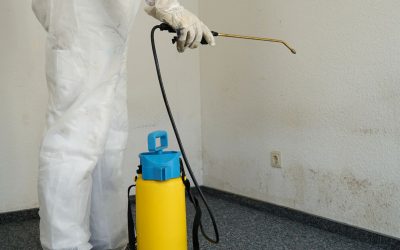
Effective sewage cleanup is more than extracting water. The goal is to remove contaminated materials when necessary, clean and disinfect the structure, and dry it properly so you do not end up with secondary issues such as odor or mold.
Professional Sewage Cleanup typically includes several coordinated steps:
1) Containment and protection
Isolation of the area will ensure that any contamination remains in this specific part of the property. This is significant when we consider finishing off basement areas. Also significant here would be multiple-room offices or homes where air return ducts share a common point.
2) Removal of sewage and unsalvageable materials
Standing sewage is extracted. Porous items that can’t be safely cleaned might need to be removed. This depends on how long they were exposed and how far the contamination spread. This can include carpet padding, sections of drywall, baseboards, or insulation.
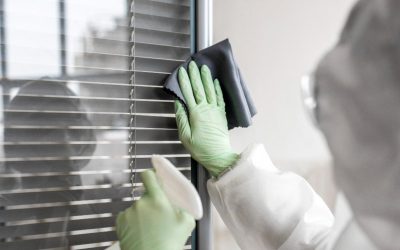
3) Cleaning and disinfection
We first sanitize the surface, then disinfect. If sanitizing is skipped, the effectiveness of the disinfectant may be reduced because organic material can interfere with its action.
4) Drying and dehumidification
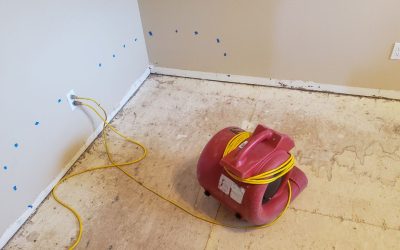
Drying is a crucial step in the restoration of water, flood, and sewage damage. Moisture can become trapped in building materials, leading to mold and foul odors. This may still happen after the area has been disinfected. Proper drying prevents these problems and makes the space safer.
5) Odor control
Odor removal methods should be implemented when porous materials show contamination or when gases persist after odor sources have been eliminated. The process of odor removal involves removing contaminants and moisture to achieve complete restoration and effective results.
6) Monitoring and verification
You should check moisture levels to confirm that the area is completely dry. This step stops the annoying cycle of “it smelled fine yesterday, but now it smells again.”
When sewage turns into a mold problem
Sewage incidents create ideal conditions for mold growth by providing three essential elements: water, organic matter, and the time needed for mold to grow. The timer begins its countdown from the moment water penetrates walls, wooden structures, and carpeting, according to most situations.
Later remediation could be required. This will increase costs, disrupt operations, and affect indoor air quality. The most effective prevention measure includes quick extraction, removal of contaminated porous material, and drying.
How leak detection can prevent repeat incidents
Some sewage events are one-time clogs. Other sewage events indicate a more serious problem, such as a cracked line or ongoing intrusions. The Leak Detection service helps detect water sources for problems such as multiple backups, slow drainage, and unexplained wet zones.
Finding the problem early can also reduce the chance of structural damage, protect flooring and walls, and minimize the need for larger-scale restoration later.
Special considerations for businesses and multi-unit properties
A sewerage problem within a commercial property will lead to cessation of activities. Furthermore, it poses health hazards to both workers and clients. The process of restoring the commercial premises must emphasize minimizing disruptions and ensuring health and safety.
Some of the main priorities are isolating the contaminated area, preventing cross-contamination from the contaminated area to other areas, and thoroughly cleaning, disinfecting, and drying the area.
Related damage: storms, fires, and smoke
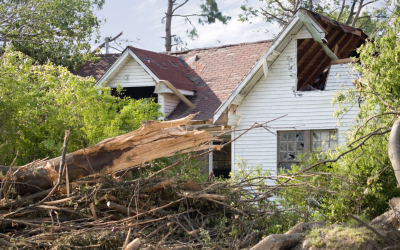
Weather conditions in Denver may cause water penetration, rendering drainage systems inadequate and leading to sewage issues. The Storm Damage Restoration and Flood Damage Restoration processes are often combined into a single restoration process for affected properties.
While less common, some properties experience multiple types of damage in a short period. For example, after a fire, water used to extinguish the flames can cause widespread moisture problems. Fire Damage Restoration and Smoke Damage Restoration focus on soot, odor, and structural impact, but drying and odor control can overlap with the techniques used in water-related restoration.
Actionable tips to reduce risk after cleanup
Once the emergency is taken care of, here are some things that you may want to consider to ensure that you don’t face a similar problem again:
- Do not flush paper towels, wipes, or grease, even if they are marked as “flushable.”
- Consider having your pipes checked if they often get blocked or are old.
- Make sure the floor drains are not blocked.
- It is important to address any foul smell promptly, as it may indicate contamination or trapped water.
- Look out for warped floors, bubbling paint, or wet drywall after all water issues to know if there may be more unseen moisture.
When there is any suspicion of contamination, it is best to have the place checked rather than taking things for granted.
Sewage incidents can be stressful. However, you can manage them. Sewage incidents can be stressful, but they should be treated as a health issue, not just a cleaning job. With proper containment, disinfection, and drying, you can help protect everyone in the building. These steps also help prevent long-term odors, structural damage, and mold growth.
All Dry Services of Denver is ready to restore your space and leave it smelling fresh and clean. Contact us today for fast, reliable sewage cleanup and restoration. Your safety comes first, and a cleaner space starts with the right team.
To stay current with us, please follow our Facebook and Instagram pages.