All Dry Services of Denver

 60 Min Response Time
How to Minimize Downtime After Water, Fire, or Storm Damage in Commercial Restoration in Denver
When water, fire, or storm damage hits your building, downtime becomes the most expensive part of the whole ordeal fast. Commercial restoration in Denver is something many business owners and property managers don’t think much about until they’re dealing with soaked carpets, smoke-damaged offices, or a roof that finally gave way during a hailstorm.
The clock starts ticking the moment damage happens, so here’s what you need to know to keep things running as much as possible while repairs get underway.
The First 60 Minutes Matter Most
The first hour isn’t about repairs. It’s about stopping things from getting worse.
Safety First, Then Triage
The area requires confirmation of safety before entry by personnel who should not enter until it becomes secure. The active fire danger, together with structural damage, sewage contact, electrical threats, and ceiling sagging conditions, forces all people to stay away from the area at all times.
The fire department must issue clearance before we proceed with fire events. For flooding situations, people should watch for downed wires and damaged floors.
Once the area is safe, stop the source of the damage if you can. Burst pipe? Shut off the water supply. Not sure where it’s coming from? A professional leak detection service can find it without tearing apart your entire building, saving you time and money on unnecessary demolition.
Protect What Keeps You Open
Move all electronic equipment, documentation materials, and all high-value items out of the area that has sustained damage. You need to elevate an item or protect it with plastic sheeting when you cannot move it.
Establish a dry barrier to separate the affected area from the rest of the building. The first operational window allows multiple businesses to maintain partial operations.
Before you start moving things around, document everything. Photos and short videos go a long way when it’s time to work through an insurance claim.
Why a Triage Plan Speeds Everything Up
One of the biggest reasons commercial restoration in Denver drags on is a scattered, reactive response. A simple plan makes the difference between a two-week shutdown and a few days of partial closure.
- Identify your must-run zones. Which areas must remain operational at all times? The essential areas to assess include server rooms, reception areas, production lines, and all key tenant suites. The restoration approach needs to prioritize operational restoration of the essential spaces.
- Contain first, then restore. The partial reopening needs its containment measures to become operational. Your building operations will remain active because your team can work by stopping stormwater from spreading, isolating wet areas, and separating smoke-affected rooms. The team at All Dry Services of Denver sees this play out all the time: quick containment is often what lets a client keep a portion of their space open throughout the process.
- Bring in the right service early. People commonly make the mistake of waiting until secondary damage occurs. The risk of mold problems increases rapidly when moisture remains present. The difficulty of removing smoke residue increases with each passing hour. Your project will benefit when you bring in the correct specialty service at the beginning.
Water Damage: Dry Fast and Dry Right
Standing water makes all situations take longer to handle because water can accumulate from both minor leaks and complete flooding events. The team needs to start extraction work before they begin using commercial equipment for controlled drying.
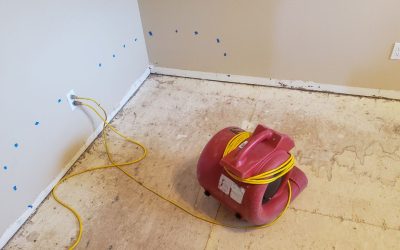
Assuming that water stays in visible areas is incorrect because it can move to hidden spaces beneath floors, behind baseboards, and inside wall cavities. The moisture mapping process provides accurate information about wet areas in your location, which need drying equipment, because it prevents any possibility of missing areas that may develop future mold problems.
The team needs to dry the area through dedicated work rather than relying on just a few fans. The actual progress of the work depends on three factors: proper airflow, dehumidification, and temperature control. Once the materials reach their stable moisture content, construction work can begin.
You need to address odors from the start. The presence of clean-water incidents creates permanent musty odors that become trapped in carpet, drywall, and insulation materials. Preempting odor removal enables you to open customer areas, allowing people to walk in without discomfort.
Fire and Smoke Damage: More Than What Burned
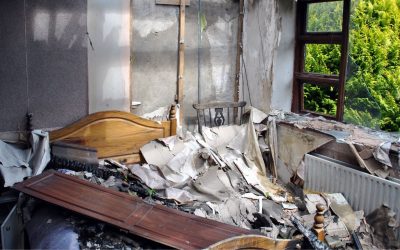
Fire damage extends beyond the initial location of the fire. Soot and smoke proceed to travel through HVAC systems and air movement, while odor persists after surfaces appear to be clean.
The system needs re-entry permission before protecting the property from both weather damage and unauthorized entry. The team should proceed with both fire and smoke damage restoration as a single task.
The first cleaning process requires restoration work because cleaning char marks needs a second attempt to remove remaining work. The reopening process needs to include plans to control odors in accordance with its requirements.
The scent becomes obvious to both customers and employees as soon as they enter the space. The space treatment uses this method to create a difference, which allows people to perceive the area as fully repaired.
Storm Damage: Stop the Water Before You Dry Anything
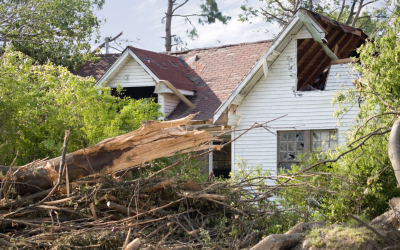
Hail, high winds, and fast-moving storms can punch holes in roofing, breach windows, and flood multiple areas at once. The priority is always stopping water from entering before drying efforts can do any good.
If the incident involves sewage backup or suspected contamination, treat it as an urgent matter. That’s both a health concern and an operational one, since affected areas may need specialized cleaning and material removal before anyone can safely return.
Remove wet materials thoughtfully. Not everything needs to go, but some things do. Moisture readings guide those calls and help you avoid the worst case: rebuilding twice.
A Quick Downtime Checklist for Property Managers
Keep this somewhere accessible before anything happens:
- Create a call list that includes your restoration company, plumber, and electrician.
- Staff members need to access clearly visible shutoff labels for all water and electrical shutoffs throughout the facility.
- The mapping process should identify all essential assets, including servers, specialty equipment, and high-value inventory.
- The facility should maintain an inventory of plastic sheeting, caution tape, and absorbent materials.
- The team needs to develop a partial operations plan that shows how to reroute customers and create isolated areas for damaged equipment.
- The team needs to take immediate photographs of the damage to create evidence to support insurance claims.
All Dry Services of Denver regularly handles water, fire, storm, mold, and sewage issues in commercial properties. Reach to us today if you’re experiencing any of these. It’s not glamorous work, but doing it right is what keeps businesses on their feet when things go sideways.
Commercial restoration in Denver doesn’t have to mean weeks of downtime. With quick action, effective containment, and the right specialists, many properties can remain partially operational and reopen sooner than most owners expect.
To stay current with us, please follow our Facebook and Instagram pages.