 All Dry Services of Dallas

 60 Min Response Time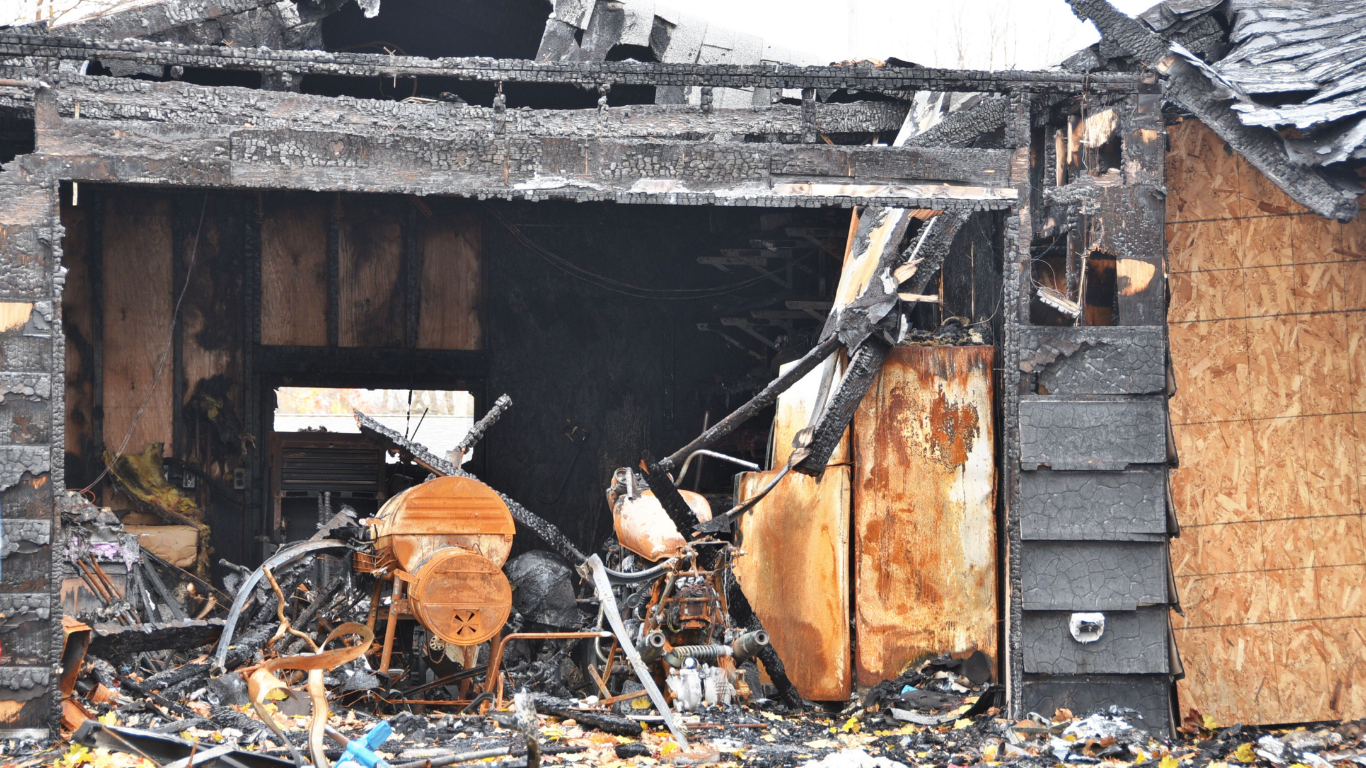
When to Call for Fire Damage Restoration in Irving, TX
A house fire can change everything in a matter of minutes. Even after the flames are gone, the cleanup has only begun. Smoke, soot, and water from firefighting efforts can leave behind damage that isn’t always easy to spot. That’s why fire damage restoration in Irving, TX is something homeowners should understand before an emergency happens. Acting quickly can help limit additional damage and make the recovery process much smoother.
At All Dry Services of Dallas, we’ve helped homeowners through difficult situations after fire damage. We know how overwhelming it feels to walk back into your home and see the aftermath. Our goal is to help people understand what comes next and why professional restoration plays such an important role.
Fire Damage Doesn’t End When the Fire Is Out
Many people think the biggest concern is what the flames burned. While that’s certainly important, fires create several other problems that continue long after the fire department leaves.
The smoke spreads throughout the house, settling on walls, ceilings, furniture, and personal belongings. Soot can discolor materials and ruin them if it remains there for too long. The water used to put out the fire can seep into the drywall, floor, and insulation.
Each of these issues needs attention. If left untreated, they can lead to additional repairs and even mold growth.
Signs You Should Call for Fire Damage Restoration in Irving, TX
Some signs of fire damage are obvious. Others take a little longer to notice.
Visible Fire and Smoke Damage
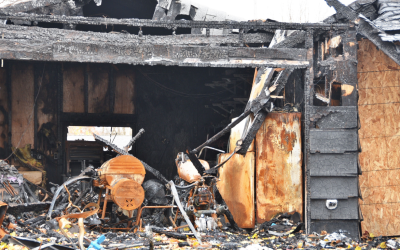
Burned walls, blackened ceilings, melted materials, and soot-covered surfaces all point to the need for professional restoration.
Even areas that didn’t catch fire may have smoke residue throughout the home.
Lingering Smoke Odors
If there is a lingering smell of smoke in your home even days after the fire, the smoke may have become embedded in the porous surfaces.
These include carpets, furniture, wooden floors, and even drywall. Opening windows or air fresheners will not get rid of the smell.
Water Damage After Firefighting
Water often creates a second emergency after the fire.
Watch for:
- Wet carpeting
- Damp drywall
- Standing water
- Warped flooring
- Water stains on ceilings
Quick drying helps reduce further damage and lowers the chance of mold developing.
Hidden Damage
Some of the greatest challenges lie beneath the surface.
Smoke particulates can travel through an HVAC system and end up inside the ducting. Heat can cause damage to the structure itself without any visible signs.
Professional inspections help uncover these hidden issues before they become larger concerns.
Why Professional Fire Damage Restoration Matters
Cleaning after a fire takes more than household cleaning products.
Professional restoration teams follow a process that focuses on safety, thorough cleanup, and restoring the home as much as possible.
A Complete Damage Assessment
Every restoration project begins with a careful inspection.
Professionals look for:
- Structural concerns
- Smoke damage
- Soot buildup
- Water intrusion
- Areas that need immediate attention
This assessment helps create a plan tailored to the home’s needs.
Smoke and Soot Removal
Soot can permanently stain surfaces if it sits too long. It also contains tiny particles that shouldn’t remain inside the home.
Specialized cleaning methods remove soot from walls, ceilings, cabinets, and other affected surfaces while helping reduce long-term damage.
Water Removal and Drying
Water extraction is just as important as cleaning smoke damage.
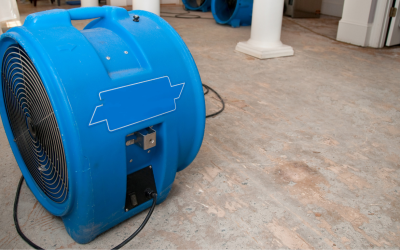
Industrial drying equipment removes moisture trapped inside building materials. Proper drying helps protect the home’s structure and reduces the chance of mold growth later.
Repairs and Restoration
Once cleanup finishes, restoration work begins.
Depending on the damage, this may include:
- Drywall replacement
- Flooring repairs
- Painting
- Cabinet repairs
- Restoring salvageable belongings
The goal is to return the home to a safe, comfortable condition.
What to Expect During the Restoration Process
Every fire creates unique challenges, but most restoration projects follow a similar path.
Emergency Response
It is paramount that the property be secured.
Inspectors go through the property, check for damage, and secure it if necessary.
Cleanup and Mitigation
The next step focuses on removing debris, cleaning soot, extracting water, and drying affected materials.
Addressing these issues early helps prevent additional damage.
Restoration Work
Once the property is clean and dry, repairs begin.
Depending on the home’s condition, restoration may involve replacing damaged materials, repairing structural components, and performing detailed cleaning before the project is complete.
What Homeowners Should Do After a Fire
The hours after a fire can feel overwhelming, but taking a few practical steps can make the process easier.
Wait Until It’s Safe
Never enter your home until local authorities confirm it’s safe to do so.
Hidden structural damage or electrical hazards may still exist.
Document the Damage
Take photographs of damaged areas and personal belongings when it’s safe.
These records often help during the insurance claims process.
Avoid Cleaning Heavy Soot Yourself
Wiping soot with the wrong products can spread stains or worsen damage.
Professional cleaning methods protect surfaces while removing residue more effectively.
Contact Your Insurance Company
Report the damage as soon as possible and keep records of any expenses related to temporary housing or emergency repairs.
Why Homeowners Trust All Dry Services of Dallas
At All Dry Services of Dallas, we understand that fire damage affects more than a home’s structure. It disrupts routines and creates uncertainty for families.
That is why we concentrate on communicating clearly, conducting thorough inspections, and developing feasible restoration options. In addition to fire damage restoration in Irving, Texas, we offer water damage restoration, mold remediation, odor removal, structural drying, and rebuilding services throughout the area.
Our team works to restore homes safely while helping homeowners understand each step of the process. We believe informed customers feel more confident during recovery, and we strive to make that experience as straightforward as possible.
Frequently Asked Questions
How soon should I call for fire damage restoration?
As soon as the property is safe to enter. Quick action helps limit damage from smoke, soot, and water.
Is smoke damage really that serious?
Yes. Smoke residue can stain surfaces, affect indoor air quality, and create odors that become harder to remove over time.
Can smoke odors be removed completely?
Professional cleaning and deodorization often remove odors much more effectively than household products.
Will water from firefighting cause mold?
It can if moisture remains inside the home. Fast drying helps reduce that risk.
Can furniture and personal belongings be restored?
Many items can be cleaned and restored depending on the extent of the damage.
Does homeowners insurance cover fire restoration?
Many policies cover fire damage, but coverage depends on your specific policy. Your insurance provider can explain your benefits.
Conclusion
While it takes time to recover from a fire, immediate action can help avoid further damage. Attention should be paid to smoke, soot, and water after the fire is extinguished.
At All Dry Services of Dallas, we believe homeowners deserve honest information and dependable support during difficult moments. If you ever need fire damage restoration in Irving, TX, understanding the restoration process can help you make informed decisions and begin moving forward with confidence.
To stay current with us, please follow our Facebook and Instagram pages.