 All Dry Services of Dallas

 60 Min Response Time
How to Detect Mold and Prevent Its Return with Mold Removal and Remediation in Dallas
That musty odor that is difficult to pinpoint, an annoying stain that keeps reappearing, or a sudden onset of allergies may be telling you about the presence of something unseen: mold! In the city of Dallas, extreme changes in humidity, severe weather, and even minor leaks can contribute to a breeding ground for mold growth.
To protect your home or business, focus on stopping moisture problems. It’s not just about spotting mold; it’s about preventing it. This guide shows you how to spot issues early. It also explains how mold removal and remediation in Dallas can help prevent it from coming back.
Why Mold Keeps Coming Back in Dallas Homes
Mold is not “just dirt.” It’s a living organism that spreads by releasing tiny spores into the air. Spores are common in the environment, but when they land on a damp surface, they can begin to grow quickly.
In Dallas, repeat mold problems usually come down to one of these root causes:
- Undetected leaks: Slow plumbing drips, pinhole pipe leaks, or roof leaks that never show obvious puddles.
- Storm and flood water intrusion: Even minor water seepage after storms can soak drywall, insulation, or flooring.
- High indoor humidity: Poor ventilation in bathrooms and laundry areas, or HVAC issues that leave the air damp.
- Incomplete cleanup after water damage: If materials do not fully dry, mold can start behind walls or under floors.
This is why mold prevention often starts with water-related services like leak detection, water damage restoration, flood damage restoration, and storm damage restoration, not just surface cleaning.
How to Detect Mold: Signs You Can Check Today
People can detect early warning signs without advanced expertise. The essential requirement for detecting problems in your environment is understanding specific indicators and their operational nonstandard variations.
1) Follow your nose
The most common evidence in investigations indicates that a continuous, musty, earthy odor exists in the area. The investigation requires you to inspect all nearby moisture sources in the area where the building has the strongest odor. The examination should focus on sinks, toilets, showers, and all external building walls.
If odors stay after cleaning, professional odor removal can help. But you also need to fix the moisture source. Otherwise, the smell often returns.
2) Look for visual changes, even subtle ones
Mold can appear as black, green, gray, or white patches. It can also look like:
- Specks on baseboards
- Darkness around vents
- Spots from water damage to the ceiling or wallboard
- Paint that is bubbling, cracking, or peeling
Not all stains are mold, but they can indicate moisture problems, which need to be addressed.
3) Watch for “hidden moisture” symptoms
Mold growth is some of the worst in areas you can’t see. Watch out for:
- Deformed floors around bathrooms and kitchens
- Wet-looking baseboards
- Moisture on windows that won’t go away
- Humidity that feels sticky indoors
If you think there’s a hidden leak, leak detection is the quickest way to find the cause. It helps you avoid guessing.
4) Pay attention to health patterns
If people in the home or workplace experience more coughing, sneezing, headaches, or irritated eyes that improve when they leave the building, it can be a sign of indoor air quality issues. Mold is one possible contributor.
Mold Removal and Remediation in Dallas: What Actually Works
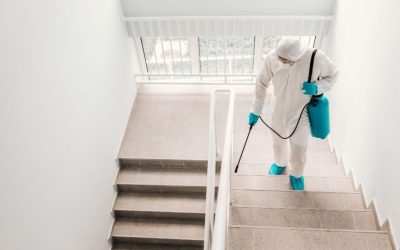
People think of mold as an easy cleaning task. The process requires two essential elements that people must complete to achieve permanent results through mold remediation. The Dallas mold removal process, together with its remediation services, exists to accomplish this task.
Here’s what an effective approach typically includes:
Step 1: Identify and stop the water source
Before any cleanup, moisture must be addressed. That could involve:
- Leak detection to pinpoint plumbing or roof leaks
- Water damage restoration after a burst pipe or appliance leak
- Flood damage restoration or storm damage restoration after heavy rain
- Sewage cleanup if contaminated water is involved
This step is what prevents the “it came back two weeks later” cycle.
Step 2: Contain and remove affected materials
When combined, drywall insulation, carpet padding, and specific ceiling tiles create materials that enable mold to grow in their internal structures. In many cases, they need to be removed and replaced. The cleaning and treatment of non-porous surfaces depends on the degree of contamination.
Containment is important because disturbed mold can spread spores to other areas of the building.
Step 3: Dry the structure completely
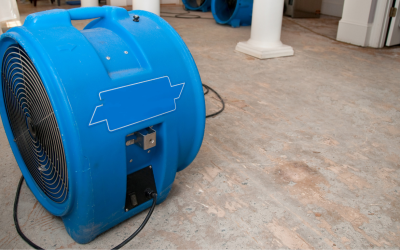
The drying process requires more than simply operating a fan. The drying process requires the complete elimination of all moisture from building materials, which includes subfloors and wall cavities that have absorbed water. The presence of moisture in a space will permit mold growth to continue even after all cleaning efforts have been conducted.
Step 4: Address air quality and lingering odors
As for odor removal, this process will help eliminate any remaining odors after remediation. When the HVAC unit is responsible for spreading spores and odors, cleaning the ducts is the next logical step.
A Practical Prevention Plan You Can Follow (Room by Room)
After mold removal, prevention becomes a daily practice. Below are some easy tips you can adopt to minimize future occurrences.
Bathrooms and laundry areas
- Run the exhaust fan during showers and for a short period after.
- Fix dripping faucets and running toilets quickly.
- Keep an eye on caulk and grout for cracking or darkening.
Kitchens
- Check under sinks for dampness and swelling in the cabinet base.
- Inspect the dishwasher area for any small leaks after each cycle.
- Clean and dry any water spills right away, especially near baseboards.
Attics, crawl spaces, and exterior walls
- After storms, look for ceiling stains or damp insulation.
- Make sure water drains away from the foundation after heavy rain.
- Do not ignore “minor” roof issues, as slow leaks can lead to major mold problems later.
HVAC and vents
- Pay attention to musty smells when the system turns on.
- Watch for discoloration around supply vents.
- Consider duct cleaning if you have had mold, smoke, or water issues that could affect airflow and odors.
When to Call a Professional in Dallas (and Why It Matters)
DIY cleanup works for tiny surface spots, but it’s easy to overlook issues behind drywall or under flooring. It’s time to bring in help when:
- You see mold covering a larger area, or it keeps returning
- You suspect a hidden leak and cannot find the source
- There was flooding, storm intrusion, or sewage backup
- You notice ongoing odors that do not improve
- The situation affects a workplace or multi-room area, where commercial restoration may be needed
Also, if your property has experienced a fire, smoke damage restoration and fire damage restoration are important because moisture from firefighting efforts and lingering smoke residues can create conditions that contribute to odor and indoor air quality problems later.
It may be disheartening to know that mold issues begin gradually until they get out of hand. However, there is a silver lining: when detected early enough, drying quickly and following an action plan that combines moisture management and mold cleanup in Dallas will help you break the mold growth cycle. Don’t let mold take over your space. Contact us today for reliable mold remediation and a cleaner, safer property.
To stay current with us, please follow our Facebook and Instagram pages.