 All Dry Services of Seattle

 60 Min Response Time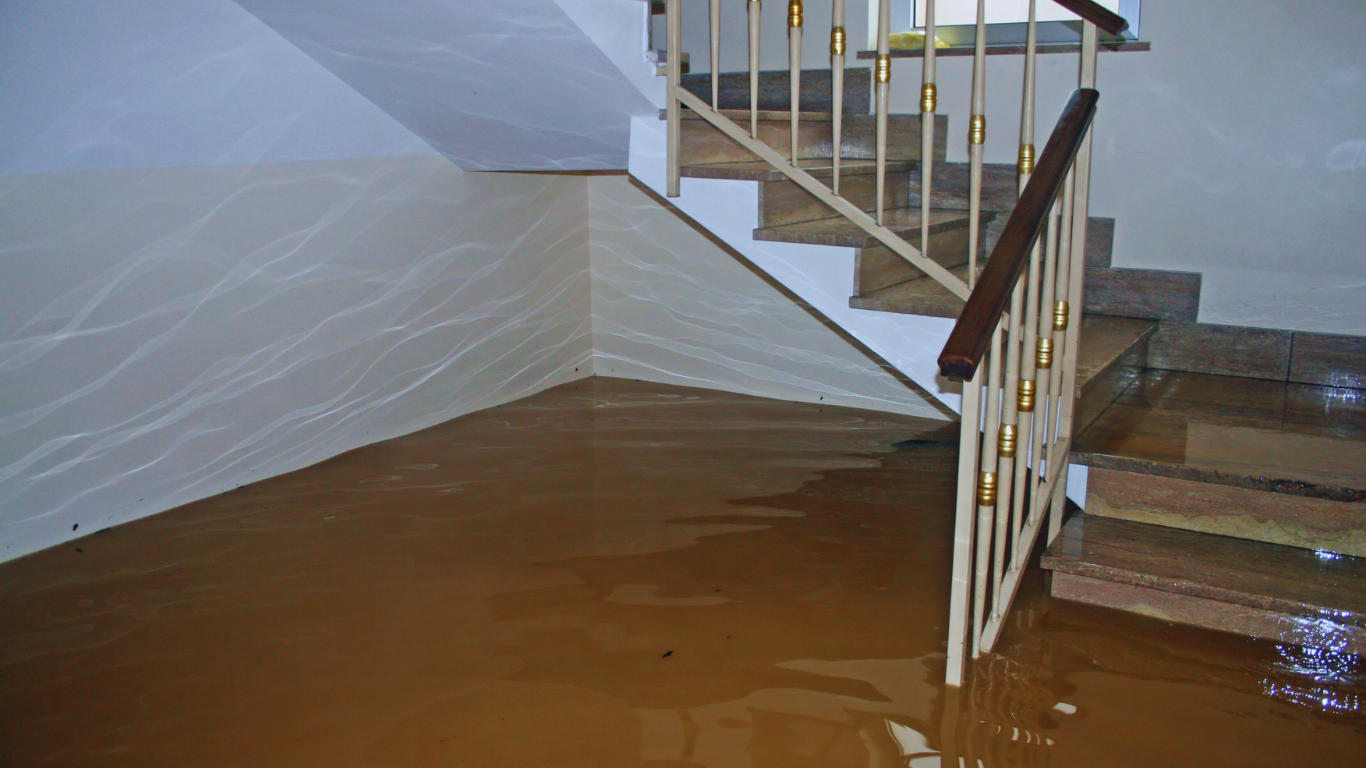
When Your Floor Starts Feeling Like a Mini Lake, Turn to Water Damage Restoration
You take a step, and the floor answers with a squish. The rug feels like it took a swim in Lake Union, and there’s a suspicious ripple by the baseboards. Take a breath—you’ve got options. In this guide, we’ll show you what to do, what to skip, and why water damage restoration makes all the difference in Seattle’s rain-soaked reality. We’re All Dry, Seattle, and deal with mini lakes more often than the Mariners deal with rain delays.
First Things First: Safety and Quick Wins
Turn off the power to affected rooms if water covers outlets or cords. You don’t need hero points—stay out of standing water near electricity. If you can safely reach the water source, shut it off. Grab towels to dam doorways and keep the “lake” from spreading to hallways and bedrooms.
Next, move what matters most: photos, small electronics, guitars, and anything on the floor that won’t handle moisture. Slide foil or wood blocks under heavy furniture legs to prevent staining and warping. Snap a few photos and jot down quick notes. That simple record helps later with insurance.
What Caused the “Mini Lake”? Seattle’s Usual Suspects
We love our green city, but the rain doesn’t always love our houses. Atmospheric river downpours can overwhelm gutters and push water under doors, and wind-driven rain sneaks behind siding. After a soggy week, older homes in Ballard, Queen Anne, and Capitol Hill often deal with basement seepage. The classic culprits are burst supply lines, leaky dishwashers, worn toilet wax rings, overworked water heaters, and crawlspaces that trap humidity. Knowing the “why” helps you fix the “how” and avoid a sequel.
The First 60 Minutes Playbook
Stop the source, then contain the spread. Lift and block furniture to keep moisture from wicking into wood. Bag up wet rugs and set them aside. Open interior doors to improve airflow, but skip throwing windows wide open during a wet, cold storm—Seattle air can be as damp as your floor. A shop vac and a box fan help at the surface, but they won’t reach moisture inside wall cavities, under plates, and deep in subfloors. That hidden moisture is where mold parties start, usually within 24–48 hours.
Why Go Pro in a Rain-Soaked Climate
Seattle’s climate stacks the deck against DIY dry-outs. Wood floors cup or crown when moisture hides below the surface. Plaster, lath, and older drywall trap water in ways you can’t see. Crawlspaces create a perfect environment for humidity to linger. Professional water damage restoration tackles the parts you can’t reach, using moisture mapping to find the wet spots behind baseboards and inside insulation. Speed matters here. The sooner you stabilize and dehumidify, the more you save—floors, trim, and peace of mind.
How All Dry Seattle Restores Your Space
Assessment and Moisture Mapping
We start with a complete assessment. Thermal imaging helps us spot cold, wet areas. Hygrometers and pin meters tell us what’s soaked and what’s safe. Based on unaffected regions of your home, we set a drying plan and a target “dry standard.”
Extraction and Stabilization
Next comes high-powered extraction. We use weighted tools for carpet that squeeze water out of the pad and fibers. For hardwood, we limit warping with controlled extraction and careful airflow. Stabilization means stopping further damage—protecting trim, cabinets, and stairs while we set equipment.
Drying and Dehumidification
We place air movers to move dry air across wet surfaces and add LGR dehumidifiers to pull moisture out of the air. That combination breaks the cycle, so materials release water quickly. We monitor daily, adjust placement, and track readings until your home hits the dry standard. This is the heart of water damage restoration—not just making things look dry, but proving they are dry.
Cleaning and Antimicrobial Treatment
We clean affected areas and, when needed, apply antimicrobial treatments. Many materials can be saved if the water comes from a clean supply line (Category 1). If it came from a drain backup or outside flooding (Category 2 or 3), we’ll discuss what we can safely salvage and what needs removal to protect your health.
Repairs and Finish Work
Once the drying wraps up, we handle repairs—baseboards, drywall, paint, and flooring. Our team documents everything so your adjuster can see the scope. You’ll know what’s next and when it’ll happen. That’s how we keep the process calm and clear.
Save the Floors You Love: Hardwood, Carpet, Tile
Hardwood can bounce back if you act fast. Cupping (edges up) can flatten with proper drying, while crowning (center up) often means longer timelines. Carpet fibers usually recover, but pads don’t always make it—swapping pads can speed drying and reduce odors. Tile stands up to water, but grout and subfloors don’t. We test below the tile to ensure moisture isn’t hiding in the structure.
Costs, Timelines, and Insurance in Washington
Every job is different, but the rhythm stays the same: stop the source, remove standing water, dry to standard, and repair. Small, clean-water events often dry in three to five days. Bigger, multi-room events can take longer, especially with hardwood and crawlspaces. We help with adjusters by sharing readings, photos, and a clear scope. You speed things up when you call early, clear walkways, and make quick decisions on salvageable items. Early action lowers costs because materials dry faster and fewer items need replacing.
Keep the Lake Off the Map: Seattle-Smart Prevention
Keep gutters clean and extend downspouts so water doesn’t dump next to the foundation. Check grading—soil should slope away from the house. Install a sump pump in flood-prone basements and test it before storm season. Consider leak sensors under sinks, behind the washing machine, and near the water heater. A $20 sensor can save a $2,000 floor in older neighborhoods like Greenwood and Ravenna. Quick crawlspace checks after big storms catch problems before they grow.
When the Rain Gets Rowdy, Call All Dry Seattle
You don’t have to know every step—that’s our job. If your floor feels like a mini lake, All Dry Seattle can move fast, explain the plan, and bring your home back to normal. We cover Seattle and the surrounding communities, from Ballard to Beacon Hill, and we’re here when the rain shows up uninvited. Reach out for straightforward answers and a calm path forward. When you need water damage restoration, we pick up, show up, and stick with it until it’s dry.
