 All Dry Services Of The Palm Beaches

 60 Min Response Time
Commercial Restoration in Palm Beach County Reducing Downtime After Property Damage
When a commercial building is hit by water, fire, mold, or storm damage, every hour offline can mean lost revenue, frustrated tenants, and a backlog that’s hard to catch up on. In Palm Beach County, the heat and humidity can also make damage spread faster than many people expect.
This guide breaks down how commercial restoration in Palm Beach County can help reduce downtime after property damage, plus the practical steps you can take right now to speed up recovery while protecting your people, inventory, and space.
Why does downtime grow so quickly after property damage?
Most downtime isn’t caused solely by the initial event. Here’s what happens next: moisture gets into the walls. Smoke residue spreads through the HVAC system. A hidden leak keeps causing damage. The longer the conditions stay “active,” the more areas are affected. This also means repairs take longer.
Typical multipliers for downtime are:
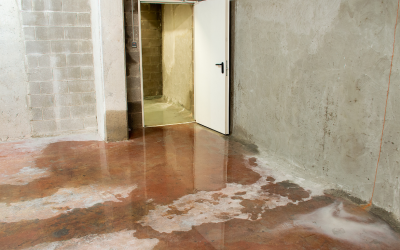
- Moisture is present in drywall, insulation, and flooring as a result of flooding
- Contamination risks as a consequence of sewer backup or chemical spillage
- Indoor air quality problems due to mold, smoke damage, or odor retention
- Power and system interruptions that halt operations, even if the visible damage seems small
The goal of commercial restoration is to stop the damage from spreading, document what happened, and create a clear path to reopening, often in phases. So you can resume business sooner.
Commercial restoration in Palm Beach County: first 24 hours checklist
The key to the entire process is established on the first day itself. With proper planning at an early stage of the process, it may well reduce many precious days from the overall schedule.
1) Put safety and access first
Check the space first. Make sure it is safe before moving furniture or pulling up carpet.
After storms and floods, hazards may include:
- Downed power lines
- Compromised ceilings
- Slick floors
- Contaminated water
If there’s any risk to occupants or staff, pause operations and restrict access. Certain situations, such as Trauma Cleanup or Hazardous Material Cleanup, should be handled only by trained professionals with proper protective equipment and disposal procedures.
2) Stop the source (or verify it’s stopped)
If there is water, the quickest “win” is to stop the flow at its source. This can range from turning off a pipe to locking down a bathroom to dealing with a roof penetration after a storm.
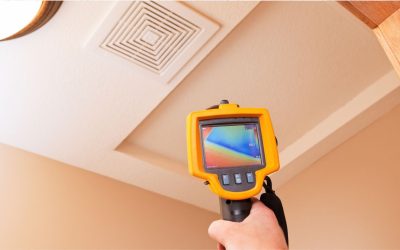
When the source isn’t obvious, Leak Detection becomes critical. Hidden leaks can keep materials wet. This can happen even after you remove surface water. It leads to re-wetting, longer drying times, and more mold risk.
3) Document everything immediately
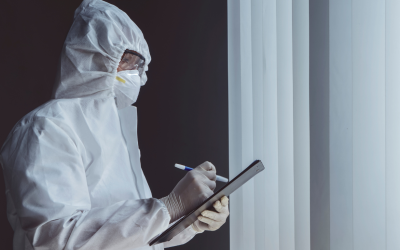
Before any clean-up activity is carried out, take wide-angle and close-up photographs. Photograph rooms, machinery, products, and building materials. Keep a simple record of when the problem was found, what was done about it, and who you told.
Good documentation cuts delays. It helps when deciding about drying, demolition, and restoration.
4) Start mitigation, not just cleanup
Mitigation means preventing further damage. For example, after a water loss, Water Damage Restoration isn’t just about removing water. It’s about strategic drying and monitoring to help materials return to a stable moisture level.
If the event is a major overflow or weather-driven intrusion, Flood Damage Restoration and Storm Damage Restoration often involve both water extraction and drying plans that account for saturated structural materials and high outdoor humidity.
Step-by-step: how to reduce downtime during restoration
When stabilization is completed, the following actions will be to maintain progress while ensuring safety and quality. The most successful commercial recovery operations always follow a certain pattern.
Step 1: Get a rapid assessment and a phased reopening plan
Ask for a strategy that allows zoning the facility: areas where operations are safe, areas requiring limited access, and areas that should remain closed off. This will allow for the phased reopening of parts of the facility.
This is great for offices, retail spaces, medical buildings, and multi-tenant properties. Partial operations can cut revenue loss.
Step 2: Address water and moisture aggressively
In South Florida, moisture is the enemy of speed. The longer water sits, the more likely it is to cause swelling. It can also lead to warping and mold growth.
Effective Water Damage Restoration typically includes extraction, targeted drying, and moisture monitoring. If the water is contaminated, the response changes a lot. This is very important for Sewage Cleanup. Sanitation is key. Careful removal is also crucial. These steps protect occupants and stop cross-contamination.
Step 3: Prevent mold from becoming the “second disaster”
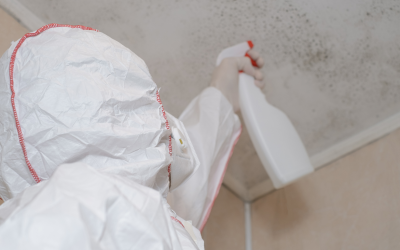
Mold will appear very rapidly if moisture levels remain high, becoming the excuse for the short-term problem that evolves into a lengthy one. In the case of mold, do not rely on odor alone, as it may be growing behind walls, under baseboards, or under floorboards.
Mold Removal & Remediation has three main steps:
- Contain affected areas.
- Remove damaged materials if needed.
- Fix the moisture that caused the growth.
This method helps manage mold, and proper implementation prevents recurring shutdowns.
Step 4: Handle fire, smoke, and odor issues early
Downtime caused by a fire incident is not always due to burned materials. Soot particles can travel far and settle on surfaces, in vents, and even on soft materials.
Fire and Smoke Damage Restoration are critical services needed. The difficulty of removing these residues increases over time. Combining Odor Removal with this will make places habitable once again. It becomes even more important in client-related spaces, since even the faintest hint of smoke odor can be damaging.
Step 5: Don’t overlook “non-obvious” operational blockers
Despite appearances that the room is sterile, a few minor issues may continue to prevent your closure:
- Odors indicating continued moisture or smoke contamination
- Humidity conditions are not conducive to the proper drying of finishes or stabilization of materials
- Contamination issues after exposure to sewage or certain hazardous substances
- Unresolved leak information is causing repeated soaking
Building recovery is as much about verifying conditions as it is about repairing what you can see.
Actionable ways to speed up reopening (without cutting corners)
If you’re managing a property or running a business, you can help achieve a faster restoration timeline with a few practical steps.
Designate a single point of contact.
Assigning one individual to be responsible for access, authorization, and building information can prevent delays caused by multiple calls for these purposes during restoration work.
Prioritize critical spaces and systems.
Outline what is required for minimal operations, including server rooms, electrical rooms, bathrooms, reception, and even individual tenant spaces. This information should be shared early so that the restoration plan can concentrate on getting you open.
Protect inventory and equipment immediately.
Remove objects from the impacted areas if it is safe to do so. If there was any water damage, ensure that wet materials are separated from dry ones to prevent odors and moisture buildup. For delicate equipment, refrain from turning it on until it is thoroughly checked.
Confirm the type of water and the scope of contamination.
However, parties respond differently to clean water damage than to contaminated water damage. Sewage spills are very serious. Restoring these areas means more than just cleanup; it also involves proper sanitization.
Plan for communication
This uncertainty will make any downtime seem even longer. Share information regarding which areas are open, which areas are closed, and what to expect at each stage of the process. It’s as simple as proper signage and regular announcements.
Choosing the right restoration approach for your damage type
Different events need different priorities. Matching the response to the damage type is key to reducing downtime.
Here’s how the services often align with common commercial scenarios:
- Storm Damage Restoration: roof breaches, wind-driven rain, and building envelope problems, which allow continued moisture infiltration
- Flood Damage Restoration: A large amount of water can saturate the flooring and raise humidity levels. This leads to longer drying times.
- Water Damage Restoration + Leak Detection: supply line breaks, HVAC leaks, and hidden moisture that can reappear if the source isn’t found
- Mold Removal & Remediation: Look for damp building materials, musty odors, or visible growth. These often appear after too much moisture.
- Fire Damage Restoration + Smoke Damage Restoration + Odor Removal: soot, smoke residue, and persistent smells that can make spaces unusable
- Trauma Cleanup: situations requiring discreet, professional handling and proper sanitation
- Hazardous Material Cleanup: This requires special containment and disposal. It must be done right to ensure safe reopening.
When the response fits the situation, you avoid rework, and rework is one of the biggest causes of extended closures.
Damage to your property can be daunting, but there are ways to make it less overwhelming. Leak detection, water extraction, mold remediation, smoke removal, and deodorization are just some of the services that can help you recover quickly.
Contact All Dry Services of The Palm Beaches today. We are here to assist you with any restoration needs. The first 24 hours should start with a plan. Ensure that every action you take moves you toward a safe opening.
To stay current with us, please follow our LinkedIn and Instagram pages.