 All Dry Services of Greater New Orleans

 60 Min Response Time
From Flooded Floors to Fabulous Again With Water Damage Restoration
Your mind immediately goes to the worst-case scenario when you see water shining across the floor or feel a squish beneath your sock. Completely typical. The good news is that if you move quickly and wisely, you can frequently prevent a difficult situation from becoming a full-scale remodel. Water damage restoration assists you in doing just that. This guide was created by All Dry Services of Greater New Orleans for actual homeowners who prefer straightforward instructions over scare tactics.
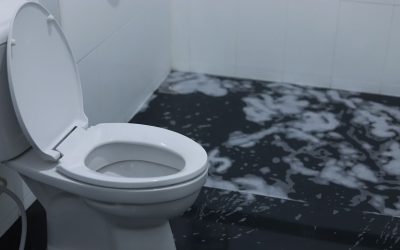
Flooded floors happen for all kinds of reasons. A busted supply line, a backed-up drain, heavy rain, or an overworked AC can all leave you staring at a wet mess. No matter what caused it, the first hours matter.
First Things First: What To Do When Floors Flood
Stay safe before you start cleaning.
Water and electricity are not a suitable combination. Should water enter the outlets, wires, or devices, switch off the main supply for that section at the breaker box. Be cautious and do not walk through water when there is a possibility of an electrical hazard.
If you smell gas or hear hissing near appliances, get out of the house and call for help right away.
You should also pay attention to your footing. Particularly on tile or finished wood, wet floors quickly become slippery. While working, keep children and pets away from the area, clear clutter, and wear shoes with a grip.
Stop the source if you can
If a pipe bursts, turn off the main water valve. If an appliance overflowed, shut it off and pull the plug if you can do it safely. If rainwater came in, focus on stopping more water from entering by closing windows, blocking door gaps, and moving items off the floor.
You will occasionally require a plumber. A plumber can stop the leak while you take care of drying and cleaning if you are unable to locate the source or if the water keeps returning.
Snap photos and take quick notes
Take pictures and short videos before you move too much. Take photos of the damp area, broken objects, and any obvious sources, like a broken hose. Note the moment you became aware of the issue and the immediate action you took. This information helps you track changes over time and is useful when filing an insurance claim.
Why Flooded Floors Get Worse Than They Look
Floodwater is often unseen. It slithers into the corners and crevices, goes under the floor, and comes into contact with the walls. Moisture could still be concealed under the surface even when it appears dry. The expansion of wood and the weakening of glue could be among the reasons the floor planks are becoming increasingly bumpy or even cracked due to moisture trapped beneath the floor.
You might also notice odors after a day or two. That musty smell doesn’t come from “wet air” alone. It often comes from damp materials that never thoroughly dried. In a humid climate, moisture can persist for extended periods; therefore, time and open windows alone cannot be relied on to do the entire job. This is the moment when water damage restoration becomes really useful: the goal is to dry the whole building, not just the floor that can be mopped.
Water Damage Restoration Basics That Actually Work
Often, the term “water damage restoration” conjures images of fans and a large dehumidifier. The mentioned tools do play an important role, but the main aim is actually to be a water damage restoration. The water path is traced, its volume is reduced, and the moisture in the necessary spots is removed.
Surface drying handles what you can see. Structural drying handles what you can’t. Moisture can hide under vinyl, behind baseboards, inside drywall, and under cabinets. Pros use moisture meters and other detection tools to check those areas rather than guess.
At All Dry Services of Greater New Orleans, we tell homeowners this all the time. If you only dry what you can see, you may miss the part that causes future warping, odors, or mold.
What The Water Damage Restoration Process Looks Like
Inspection and moisture mapping
The very first thing that happens is a meticulous examination of the affected part of the water. A worker evaluates water spread, the present condition of the materials, and their degree of wetness. Moisture mapping will be conducted to develop an effective plan for your house drying. This phase also helps determine what can be retained and what needs to be replaced.
Water removal and controlled drying
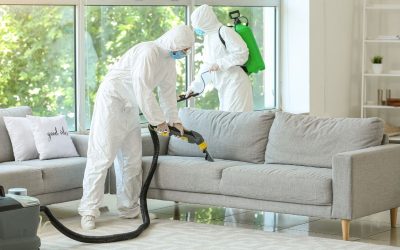
If you still have standing water, extraction comes first. After that, drying equipment is placed to move air and pull moisture out of the space. The keyword here is controlled. Random fans can push moisture into other areas, or dry the top while leaving the underside wet.
A smart setup creates airflow across wet materials while dehumidifiers pull moisture out of the air. That combo speeds drying and helps prevent lingering dampness.
Cleaning and odor control
Water often carries dirt and germs, particularly when drawn from external sources or drains. Cleaning removes dirt, whereas sanitizing reduces the risk of odors and microbial growth. Besides, water from a supply line can still become contaminated as it moves across floors and under cabinets.
Repairs and getting your floors back to normal
Once the drying process is complete, the assessment of the repairs can be conducted with greater clarity. At times, the floor reemerges in better condition. Sometimes, issues include warped planks, damp padding, or subfloor layers that are swollen and weakened. The correct solution will depend on the material and the duration of water exposure. An excellent group of workers will describe what they observe and the reasons for their repair or replacement suggestion.
DIY vs Pro Help With Flooded Floors
You can handle some situations on your own. If you acted quickly and the water had not yet reached any seams or edges, towels and a dehumidifier could solve the problem. However, it is still necessary to check the corners, baseboards, and adjacent rooms, as water can easily move around. If the water has seeped through the floor or up the wall, or if the incident happened more than a few hours ago, it is better to enlist the help of a professional water damage restoration service. Besides, if you notice a stale smell, the floor turning a different color, or the floor sagging, it is time to call for help. These signs are sometimes the result of hidden moisture that home gadgets cannot detect or remove. Not that a large team is always necessary when there is a wet floor, but it is when you are in doubt, then a professional evaluation would keep you from making an incorrect guess.
Choosing The Right Plan For Your Type of Flooring
Hardwood floors may appear to be very durable, but they are susceptible to water. The planks can buckle, warp, or open at the joints, and drying them quickly may save some parts, but it is still necessary to dry them uniformly to prevent permanent deformation of the wood. The laminate is even more prone to the problem. It will lift from the sides and get ruined whenever the liquid seeps underneath. The water does not penetrate the vinyl; however, it can be found beneath the surface, especially at the joints. Tiles can withstand water better, yet the grout lines and the subfloor beneath remain damp due to moisture absorption.
Carpet acts like a sponge. If you act fast, you might be able to prevent it sometimes, but padding can retain moisture for longer than people think. Moreover, that padding can absorb smells. An expert evaluation helps you make the right decision about the next step without unnecessarily spending on the wrong remedy.
How To Prevent The Next Flooded Floor
Although you can’t prevent every surprise, you can reduce your chances. Examine the supply lines to dishwashers and washing machines and replace them if they appear worn. To prevent rainwater from collecting near doors, clean your gutters. Keep an eye out for slow leaks near toilets and under sinks because those drips add up.
Monitor the humidity levels indoors. If your place is still hot and you have the air conditioner on, you probably need a dehumidifier or better ventilation. Also, small habits count. A stain should not be left unnoticed if seen. Soft or warm spots on the floor should be investigated. Such an inquisitive nature can save the house from the next big disaster.
From Flooded to Fabulous
When your floors are flooded, it can feel like the end of your day. You can still take charge by making wise choices, conducting quick safety checks, and having the right drying plan. The sooner you address water, the easier it becomes to protect the materials you want to keep.
If you end up needing water damage restoration, you don’t have to figure it all out on your own. All Dry Services of Greater New Orleans helps homeowners understand what happened, what needs attention, and what the next steps look like. We aim to keep the process clear and human, because water damage already brings enough stress on its own.
To stay updated with us, please follow our Facebook and Instagram pages.