 All Dry Services of Minneapolis

 60 Min Response Time
How Minneapolis Homeowners Can Prepare for Severe Winter Storms
Winter storms are just part of life in Minneapolis. Between lake-effect snow, bitter cold, and long stretches of freezing temps, homes across the Twin Cities take a real beating every year. From Uptown to Northeast Minneapolis and over to St. Paul, we see the same problems pop up once the snow starts piling up. One of the most common problems homeowners face is hidden water damage, which is why leak detection is so crucial for winter storm preparation. By detecting leaks early, homeowners can prevent problems with frozen pipes, roofs, and moisture damage.
At All Dry Services of Minneapolis, we’ve helped plenty of local homeowners deal with winter-related damage. To safeguard your home and minimize the risk of a future headache, this guide provides advice on what to do before, during, and after a severe winter storm.
Why Winter Storm Preparation Matters in Minneapolis
Cold Weather Hits Homes Hard
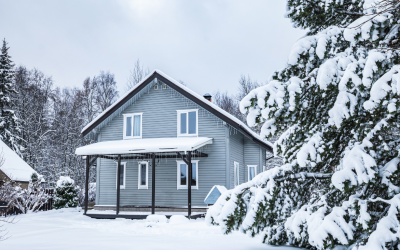
Minneapolis winters bring extreme cold that persists throughout the entire season. The process of freezing and thawing creates complex challenges for each component of buildings, including roofs, pipes, and foundations. The snow melts during the day, then re-freezes at night as it travels into forbidden areas. The process results in concealed water leaks, which only become visible after they cause structural damage.
Snow and Ice Create Hidden Risks
Snowfall increases roof weight while preventing water from flowing through drainage systems. Roof edge ice dams create barriers that force water to flow back into the space beneath shingles. The building needs immediate leak detection, as moisture will enter through unprotected areas and spread throughout the attic walls and ceilings.
Power Outages Raise the Stakes
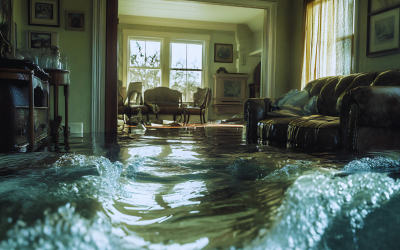
Storms bring powerful winds that create power outages throughout Minneapolis and its neighboring suburbs. Power outages cause pipes to freeze faster because sump pumps become inoperable. Water damage spreads quickly when it goes undetected early.
Before the Storm: How to Get Your Home Ready
Inspect the Outside of Your Home
Start with a walk around your property. You should search for three types of roof problems: loose shingles, damaged flashing, and clogged gutters. Ice dams love blocked gutters, especially on older homes, which are common throughout Minneapolis neighborhoods. The current debris should be removed because it affects future water drainage. You should inspect window frames, door seals, and siding to find any existing gaps. Small openings between building components allow cold air and wind-driven snow to enter, thereby causing moisture accumulation inside the building.
Protect Your Plumbing
The Twin Cities experience frozen pipes as their most frequent winter emergency. The basement, crawlspace, and garage areas, as well as exterior walls, need their exposed pipes insulated. Older Minneapolis homes often have plumbing systems that leave their pipes exposed to freezing conditions in the colder parts of the house. The house should maintain its heating system at one permanent temperature during your absence from the premises. The indoor temperature should not drop to extreme lows, as this increases the risk of pipes freezing and breaking.
Know Your Home’s Systems
Take a moment to locate your main water shut-off valve. Take a moment to locate your main water shut-off valve. The quick shutoff of the water supply during a storm pipe burst situation will help reduce the resulting damage. The knowledge of this location enables people to manage difficult situations more effectively.
During the Storm: What to Watch For
Keep an Eye on Indoor Spaces
The initial signs of water damage appear as roof leaks and ice dams. The quick detection of leaks during storms prevents water from entering insulation and framing materials. Homeowners should open cabinet doors under sinks to let warm air flow through their pipes. Kitchen and bathroom freezing can be prevented through this basic method.
Manage Snow Safely
People should use roof rakes from the ground to remove heavy snow from their roofs. This process decreases the likelihood of ice dams forming. People should not attempt to walk on icy roofs during snowstorms.
Prepare for Power Outages
If the power goes out, use flashlights instead of candles and run generators outdoors only. Check plumbing areas during outages, as frozen pipes can form quickly when temperatures drop.
After the Storm Inspect and Act Fast
Do a Careful Walk-Through
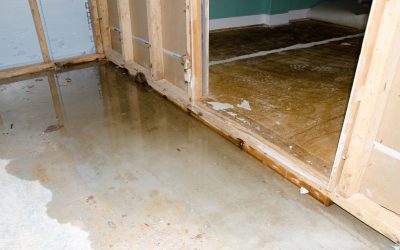
You should check your house thoroughly after the storm has ended. You need to inspect your home for dripping water, damp drywall, bubbling paint, and warped flooring. The first signs of water damage appear in basements and lower levels in areas bordering the Mississippi River and in historic sections of Minneapolis.
Document What You Find
Take pictures and notes of any damage you notice. This is helpful for insurance purposes and will give repair professionals a good idea of what is happening. It will also aid in accurate leak detection and repair.
Address Moisture Right Away
Water doesn’t wait, and neither should you. A small leak can quickly turn into a mold problem if the water is allowed to sit. The quicker you can dry off areas where water is pooling, the less likely you are to have expensive repairs down the road.
How All Dry Services of Minneapolis Can Help
Emergency Water Removal and Leak Detection
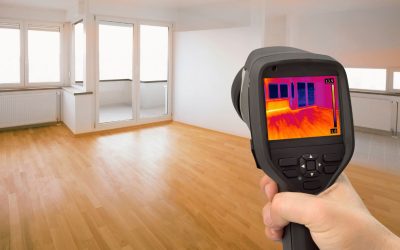
All Dry Services in Minneapolis provides fast services because winter storms can cause leaks and flooding. Our company uses professional leak detection equipment to find hidden moisture and determine the source before further damage occurs.
Structural Drying and Moisture Control
The task requires more than just water elimination. Our company uses equipment designed for cold-weather conditions to dry water-damaged walls, floors, and structural materials. Your home needs proper drying, as it helps protect your property and prevent mold from developing.
Mold Prevention and Cleanup
The moisture that is left in the house after the storm is the perfect breeding ground for mold. Our company is committed to early intervention to prevent this and keep the air in your home healthier for your family.
Local Experience You Can Count On
Our company’s service area extends to Minneapolis and its adjacent Twin Cities. The local climate conditions in this area help us understand how winter weather impacts residential properties, which we use to guide our work on every project.
Staying Ahead of the Next Winter Storm
Life-threatening winter storms are always a reality, but with the proper preparation, a significant difference can be made. To keep one’s home safe during the winter months, three major factors are involved: inspection, smart habits, and leak detection. All Dry Services of Minneapolis assists our customers during winter weather conditions through our human-centered approach, which emphasizes practical, peaceful problem-solving.
To stay current with us, please follow our Facebook and Instagram pages.