
DIY Water Damage Restoration vs. Hiring a Pro: What You Need to Know
Water can do a lot of damage in a short amount of time. Whether from a burst pipe, heavy rain, or an overflowing tub, it’s tempting to roll up your sleeves and handle the cleanup yourself. But before you grab a fan and a mop, take a moment to understand what water damage restoration involves—and when it’s smarter to call a pro.
Here in the Bluegrass region, we’ve seen all kinds of water damage—some minor, others severe. At All Dry Bluegrass, we’ve helped homeowners from Lexington to Shelby County recover from leaks, floods, and everything else. If you’re facing water damage, this guide will help you decide what’s safe to DIY and when to bring expert help.
Understanding the Scope of Water Damage
Not all water damage is created equal. Before you do anything, think about where the water came from. Clean water from a supply line is the easiest to deal with, while gray water from a dishwasher or washing machine carries some contaminants. Blackwater, like sewage or floodwater, can contain bacteria and toxins, and needs professional attention immediately.
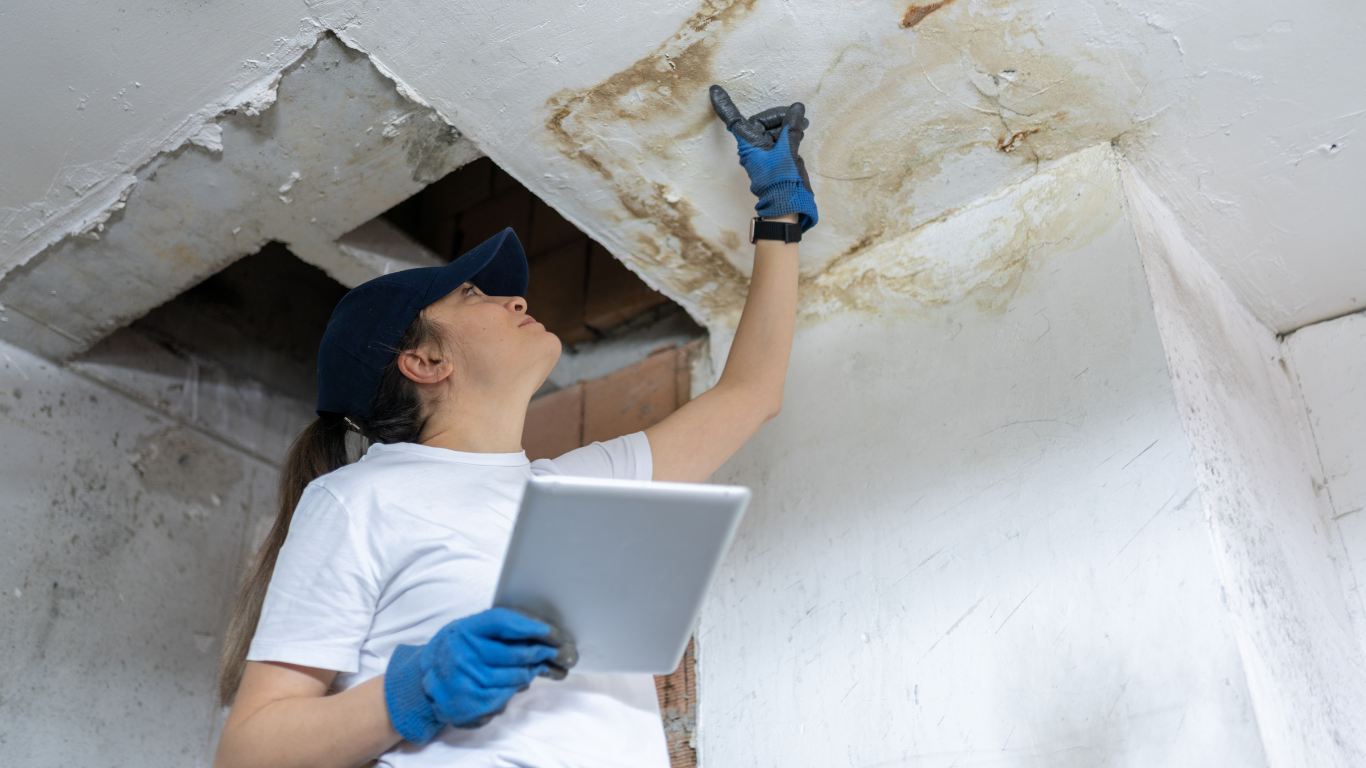
Visible water damage is easy to spot, but the real problem is what you often don’t see. Water can soak into subfloors, hide behind drywall, or spread through air vents. Over time, that hidden moisture causes mold growth, weakens structures, and creates lasting odor issues.
Short-term fixes might dry out the surface, but long-term issues can cost you big if they are not handled correctly the first time.
Pros and Cons of DIY Water Damage Cleanup
Doing things yourself can save money, at least at first. If you catch a leak right away and the water hasn’t soaked into floors or walls, you might be able to mop it up, set out some fans, and move on.
But that only works for small, clean-water situations.
DIY cleanup can easily miss water seeping under baseboards, behind cabinets, or into crawl spaces. If you leave moisture behind, mold can start to grow within 24–48 hours. That’s not something you want in your home, especially if someone in your household has allergies or asthma.
There’s also the risk of electrical issues or complications with your insurance claim. Many insurance providers require professional documentation of the damage and the cleanup process. If you do it yourself and something goes wrong later, your coverage could be at risk.
Why Professional Restoration Makes a Difference
Professional water damage restoration teams have tools and training that go far beyond what you can rent at a hardware store.
We use commercial-grade equipment like:
- High-powered water extractors
- Industrial air movers and dehumidifiers
- Infrared cameras to find hidden moisture
- Moisture meters to monitor progress
A pro team doesn’t just dry out your home—they check for structural damage, remove materials that can’t be salvaged, and treat affected areas to stop mold before it starts.
At All Dry Bluegrass, we also help you work through the insurance process. We document everything properly, provide photos, and communicate directly with your adjuster so you don’t have to navigate it alone.
Real Cost Comparison: DIY vs. Pro
DIY might initially seem cheaper, but it often leads to higher costs. You might save a few hundred dollars now, only to spend thousands on mold remediation or replacing warped flooring later.
Let’s say a pipe leaks behind your kitchen cabinets. You dry the floor but don’t notice the water soaking into the wall. A few weeks later, the smell sets in, and mold spreads. By then, you’re looking at drywall removal, possibly cabinet replacement, and deep cleaning to restore air quality.
When you hire professionals, you’re investing in a complete and correct fix, often backed by a service warranty and peace of mind.
When to DIY and When to Call All Dry Bluegrass
So, when can you safely handle water damage on your own?
DIY is fine when:
- The spill is small and on tile or another non-porous surface
- The water is clean and hasn’t sat for more than a few hours
- No water has reached the walls, carpet, wood, or electrical outlets
You should call a professional when:
- The water soaked into drywall, carpet, or wood flooring
- There’s a musty smell, which could mean mold
- You’re dealing with sewage, floodwater, or an unknown source
- Electrical systems may have been affected
At All Dry Bluegrass, we offer honest evaluations—no pressure, no scare tactics. If it’s something you can handle, we’ll tell you. If it’s not, we’re ready to step in and help.
Make the Smart Call Before Damage Gets Worse
Water damage doesn’t wait. The longer you leave it, the more problems it causes—mold, bad smells, soft floors, and wall damage. Timing is everything, whether you do it yourself or hire a pro.
If you’re unsure, it never hurts to get a second opinion. All Dry Bluegrass is here to help you protect your home and peace of mind. We’re locals, too, and we know what water can do to homes in the Bluegrass region. Don’t let a small leak turn into a major repair.
To stay current with us, please follow our Facebook and Instagram pages.