 All Dry Services of Boston Metro West & Metro South

 60 Min Response Time
Restoring Your Business with Commercial Restoration Services After Disasters
The time period starts after a disaster strikes your building. The presence of standing water, smoke, and hidden moisture will turn a minor problem into costly downtime within one hour of its existence. The commercial restoration services are progressing rapidly. The team secures the location and safeguards your assets to help you open your business sooner.
For businesses in Boston and MetroWest, an effective recovery process is important. The first step is ensuring the premises are safe. Documenting the extent of the damage is the next step. Hazard identification and cleanup should be followed by thorough drying and cleaning. The last step is restoration.
Commercial restoration services: what to do in the first 24 hours
The first day is about safety and preventing secondary damage. The building looks “mostly fine,” but it has hidden issues. These include soaked insulation, trapped humidity, and soot residue.
Step 1: Ensure the site is safe. If there is any active flooding, smoke, or structural issue, staff should be kept out. Electricity can be turned off where necessary and should not be accessed where there may be water present. Bodily fluids and hazardous materials should always be handled as controlled cleanup activities.
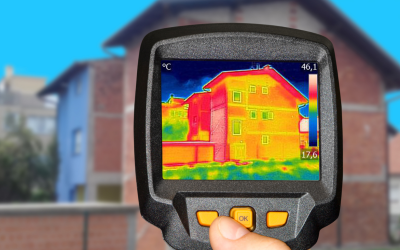
Step 2: Stop the source if possible. In the case of water damage, restricting the source of water can significantly reduce total damage. The source may be closed, the leaking pipeline may be stopped, or the cause of the problem may be identified via leak detection. Thermal imaging can be used to locate the problem.
Step 3: Document everything. Document the wide shots and close-up shots of the rooms, machines, inventory, and construction materials that have been affected by the incident. It should include the time when you discovered the incident and the measures you immediately took upon finding it.
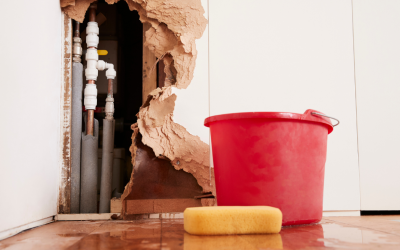
Step 4: Start emergency mitigation. It is about stopping the problem from spreading. Here, water mitigation is crucial, particularly for properties with multiple tenants or floors, as water can flow quickly through the building.
Step-by-step recovery plan to restore operations quickly
The focus of emergency management begins after all emergency operations have been completed. The steps below establish an efficient process that reduces work duplication when followed in their intended sequence.
1) Remove water and contaminants fast
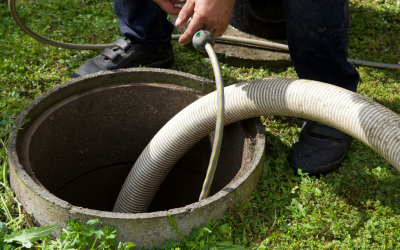
In the case of water, however, preference should be given to water-extraction processes, as they prevent any further water from penetrating the object. When there is extensive water damage from burst pipes or when the incident involves sewage, handle it differently. Sewage disposal should be done carefully, with proper containment and professional cleaning. The site needs to disinfect its area by removing the porous material.
2) Dry the structure thoroughly (not just the surface)
Drying is where many businesses either gain time or lose it. A quick mop-up doesn’t address moisture in drywall, subfloors, insulation, and framing. Structural drying uses controlled airflow and monitoring to dry materials to a safe level.
To keep drying on schedule, restoration teams may use:
- Dehumidification to pull moisture from the air and speed up evaporation
- Moisture mapping and thermal imaging to find hidden wet spots
- Targeted drying setups to avoid unnecessary disruption to unaffected areas
Proper drying will help prevent issues such as warping, swelling, and mold growth.
3) Address mold risk early, especially after water events
Mold contamination in commercial buildings leads to two main problems: degraded indoor airindoor air quality and operational difficulties. Mold inspection requires professional assistance when there are signs of moisture problems, such as musty odors and visible discoloration. The process establishes your requirement for either basic cleaning work or complete mold removal treatment.
The mold removal process starts with the contaminated area being closed off, followed by two procedures: the contaminated area closure and the extraction of all contaminated materials. The last procedure requires disinfecting surfaces to reduce mold spore levels. The primary task involves more than just eliminating mold, because it requires fixing the moisture problem that enabled mold growth.
4) Clean smoke, soot, and odors the right way
Whenever a building has been through a fire, this is enough; there will always be smoke contaminating HVAC systems, wall cavities, and ceiling voids.
Fire damage restoration includes:
- Removing charred material
- Cleaning soot deposits
- Metals and electronics are vulnerable to corrosion
Particles and residues in the atmosphere are included in smoking damage restoration. This can cause long-lasting odors and irritations. First impressions matter, and when odors linger, odor removal becomes a must for businesses.
Tip: Avoid painting over smoke stains without first properly cleaning them. Trapping contaminants inside may cause odors to persist and require future maintenance.
5) Repair storm and weather impacts before they spread
New England storms can cause roof leaks, blown-in rain, ice-related issues, and wind damage. Storm damage restoration starts by stabilizing the building. First, take steps to stop more water from getting in. Then, dry and repair the affected areas.
If the storm damage appears confined to one room, check the neighboring rooms. Moisture can move through building materials. It travels along beams, under flooring, and through insulation.
6) Handle specialty cleanups with the right protocols
There are certain situations where cleaning alone will not be enough. For instance, trauma cleaning calls for delicacy, sterilization, and professionalism. On the other hand, hoarding cleanup will include sorting, evacuation, decontamination, and odor elimination, among other things.
These situations can send operations and morale into a spin, so it helps to have a clear scope, communication plan, and realistic timeline.
How to minimize downtime: practical actions business owners can take
Restoration is faster when decisions and access aren’t delayed. Here are actions that typically lead to a quicker reopening.
Create a “reopen-first” priority list. Identify which must be operational first: the front office, sales floor, production line, server room, or a specific wing. A good commercial restoration approach often focuses on isolating damage so that unaffected areas can resume sooner.
Take care of your important stuff. If possible, move your stock out of the way, move your electronics, and cover your equipment. Otherwise, lift your things and keep track of their status.
Keep HVAC and airflow decisions intentional. In some cases, running HVAC can spread smoke odor or mold spores. In other cases, controlled airflow supports drying. Coordinate ventilation decisions with the restoration plan.
Complex situations: trauma cleanup and hoarding cleanup with appropriate containment and cleaning
Be clear in your communication with your team and building occupants. Provide an update as to which areas will be shut down, what is safe for us to enter, and where we are headed next.
Choosing the right commercial restoration approach for your building
No two properties recover the same way. A restaurant’s priorities are not the same as those of a medical office. They also differ from those of a warehouse, school, or multi-unit commercial building. A good plan looks at occupancy needs, sensitive equipment, customer flow, and loss type.
In general, faster recoveries come from matching the response to the damage type:
- Water losses: water damage restoration, water mitigation, water extraction, structural drying, dehumidification, plus leak detection and thermal imaging when moisture is hidden
- Flooding: flood damage restoration with careful material evaluation and drying strategy
- Fire and smoke: fire damage restoration, smoke damage restoration, and odor removal
- Storm events: storm damage restoration to stop intrusion and prevent secondary water damage
- Contaminated water: sewage cleanup with sanitation and controlled removal
- Complex situations: trauma cleanup and hoarding cleanup with appropriate containment and cleaning
- Mold concerns: mold inspection, mold remediation, and mold removal when moisture has persisted
When these services work together in one plan, you avoid gaps. For example, you won’t dry without finding the leak, or deodorize without removing the source.
Disasters are disruptive, but they don’t have to derail your business for months. A quick response in the first 24 hours, a good drying and cleaning plan, and proper restoration steps can cut downtime. This way, you safeguard your space. Then, you can continue serving your customers in Boston and MetroWest with confidence. Contact us now to restore your space, reduce downtime, and get your business back open faster.
To stay updated with us, please follow our Facebook and Instagram pages.