 All Dry Services of Boston Metro West & Metro South

 60 Min Response Time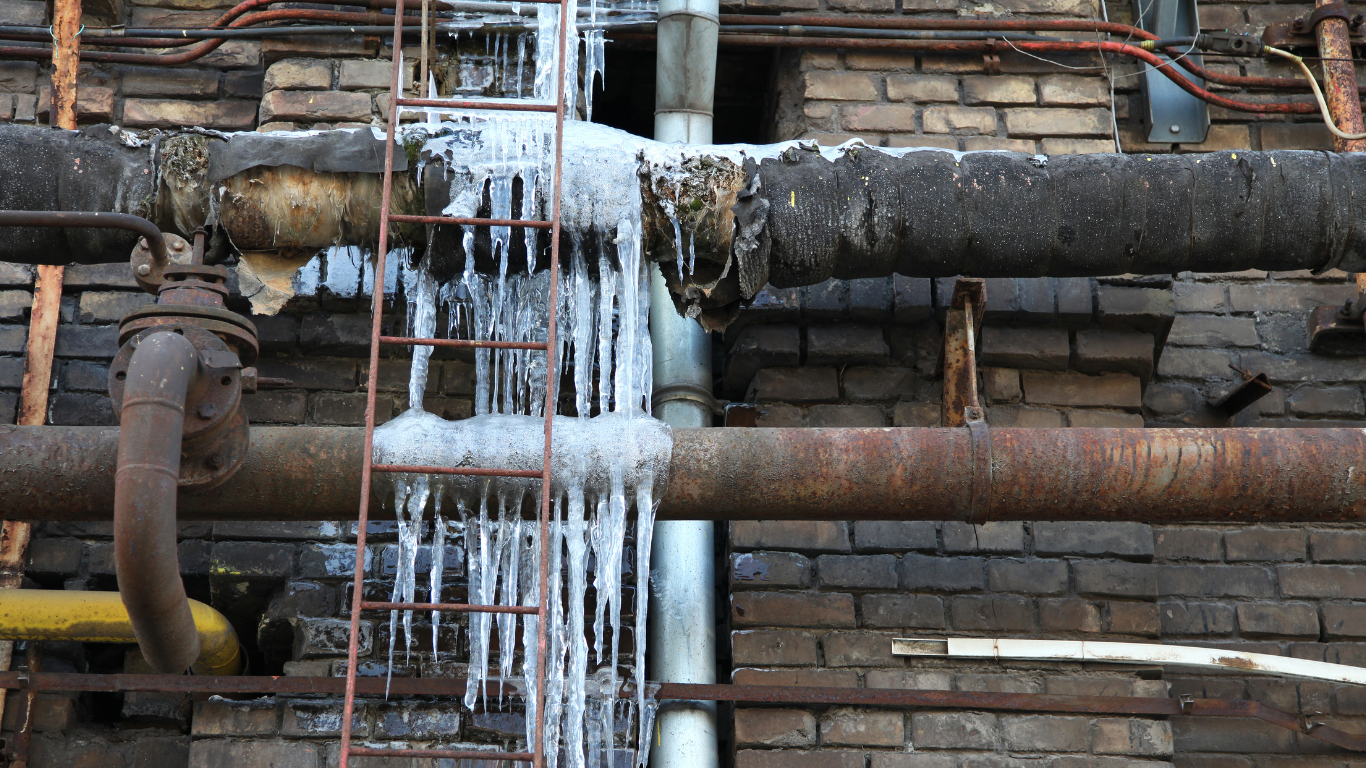
How to Avoid Roof Leaks, Frozen Pipes, and Mold After a Massachusetts Winter Storm
The winter storms that hit Massachusetts bring both visual beauty and destructive power to residential homes. The storms bring various types of precipitation, creating dangerous weather conditions that lead to roof leaks, frozen pipes, and mold growth. The combination of freezing temperatures and snow accumulation creates conditions that enable these problems to emerge. The leak detection process provides essential protection for your home during all storm stages. Detecting leaks early helps you prevent more expensive damage in the future. All Dry Services of Boston Metro West & Metro South uses this guide to show you effective methods for dealing with typical winter problems.
Why Post-Storm Care Matters in Metro West & Metro South
Massachusetts Winter Storm Intensity
Massachusetts experiences a variety of intense winter weather, from heavy snowfalls in cities like Framingham and Worcester to ice storms in the Metro West region. The weather conditions during this period pose a significant risk of damage to your house. The ongoing pattern of freezing and thawing creates conditions that lead to foundation cracks, roof damage, and frozen pipes. Unaddressed problems will lead to water damage, creating conditions for rapid mold growth. Detecting leaks at an early stage is a key measure to prevent potential issues from advancing.
Common Post-Storm Property Risks
Storms typically cause roof leaks, pipe bursts, and water flooding throughout the Natick and Marlborough areas. Roof leaks occur because ice dams block roof drainage when snow melts and refreezes at the roof edges. The risk of pipe bursting increases when pipes freeze, which is more common in areas without insulation, such as basements or walls. Water that enters your home creates two problems: it harms structural materials and creates conditions that foster mold growth. Detecting leaks at the right time enables home problems to be identified and resolved before they cause severe damage.
Spotting Roof Leaks After a Winter Storm
Early Signs of a Roof Leak
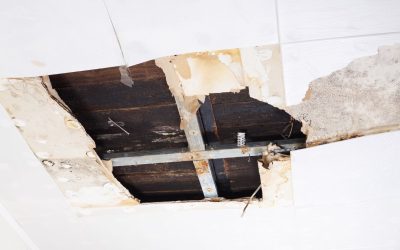
You need to inspect your roof after a winter storm, as it is your initial task in the post-storm assessment. Water stains on ceilings and walls should be examined, as they indicate an existing roof leak. Your roof has developed water infiltration problems when dark spots and peeling paint become visible. The attic space needs to undergo inspection. The presence of wet spots and damp insulation indicates that melting snow or ice has already resulted in damage. Early leak detection lets you catch leaks before they spread to other areas of your home.
How Ice Dams Cause Roof Leaks
Ice dams are the primary cause of winter roof leaks, which pose the most significant problems. Snow on your roof melts during the day due to attic heat, and ice forms at the roof edges when temperatures drop. The ice dam creates an obstruction that prevents proper water drainage, resulting in water accumulation that eventually seeps through the shingles. To prevent ice dams, make sure your attic is well insulated and that your gutters are cleared of debris. Ice dam detection through leak detection services enables the identification of concealed water damage before it worsens.
Inspecting Safely
While you might be tempted to grab a ladder and check your roof after a storm, it’s safer to leave this to professionals. Ice and snow make roofs slippery and hazardous. All Dry Services of Boston Metro West & Metro South can inspect your roof and detect leaks to spot potential problems before they cause significant damage.
Preventing Frozen and Burst Pipes Post-Storm
Why Pipes Freeze After the Snow Stops
Frozen pipes are one of the most common problems homeowners face after a winter storm. The combination of low temperatures and unheated building spaces creates a risk of pipe freezing, affecting both basements and exterior walls. The pipe burst results in flooding, causing extensive damage to your home. Homeowners can stop this problem by maintaining proper home temperature control and by insulating their water pipes. The detection of leaks through our system enables us to find tiny leaks that occur when pipes freeze before they develop into major flooding problems.
Tips to Prevent Frozen Pipes
- To avoid frozen pipes, you can take several preventive steps:
- Keep your thermostat at a consistent temperature.
- Open cabinet doors under sinks to allow warm air to circulate plumbing.
- Insulate pipes in attics, basements, and exterior walls, especially those exposed to the cold.
- Let faucets drip slightly to keep water moving through the pipes.
Homeowners should take immediate action to prevent damage to their homes when they suspect their water pipes have frozen. If water pressure decreases or you hear unusual noises from your plumbing system, your pipes may be freezing. Leak detection technology enables users to locate frozen pipes, which will eventually burst.
What to Do If You Suspect a Burst Pipe
If you notice signs of a burst pipe, shut off the main water supply immediately to minimize water damage. Once the water is turned off, call a professional plumber or a restoration service to assist with cleanup and repairs. All Dry Services of Boston Metro West & Metro South offers quick water removal and leak detection to help mitigate damage.
Limiting Water Intrusion After a Storm
Checking the Exterior
Water intrusion becomes a critical problem when your foundation shows cracks or your windows have unsealed gaps. You should check your house exterior for cracks and other damage after the storm has ended. You must remove snow from your foundation area because it creates a path for water to enter through your basement and lower areas of your home. Leak detection reveals concealed moisture sources that the human eye cannot detect, but will cause future damage.
Gutters and Downspouts
Ice buildup in your gutters can cause water to back up and leak into your home. You should clear gutters of ice and debris after the storm ends to maintain proper drainage. You need to check that all downspouts are functioning correctly, directing water away from your home’s foundation.
Mold Prevention and Early Response
How Mold Grows After Water Intrusion
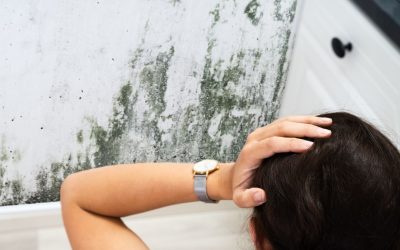
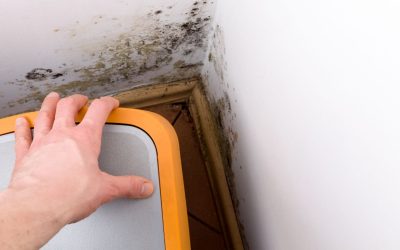
Mold flourishes in wet conditions because any moisture that remains after a winter storm creates an immediate mold development problem. The presence of a musty odor, together with dark patches on your walls and ceilings, indicates possible mold growth. Mold can begin growing within 24 to 48 hours after water intrusion, making it vital to dry all damp areas without delay. Early leak detection will help catch moisture before mold has the chance to grow.
Steps to Stop Mold Before It Spreads
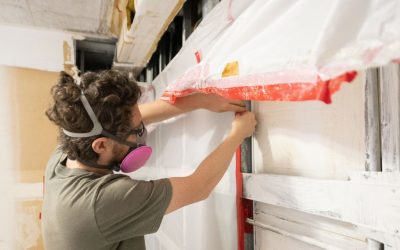
To prevent mold growth, all wet areas need to be dried within 24 to 48 hours following the storm. The team will use fans and dehumidifiers to reduce indoor humidity while removing all moist materials, including carpets and drywall that cannot be saved. The wait time will increase the risk of mold growth, so you must take action without delay. The hidden moisture detection services will find moisture problems behind your walls and under your floors, which protects your home from mold growth.
How All Dry Services of Boston Metro West & Metro South Can Help
All Dry Services of Boston Metro West & Metro South assists customers with winter storm damage. Our team provides expert services, including leak detection, water removal, and mold remediation, to help you solve roof leaks, frozen pipes, and mold growth. The home restoration services we offer enable you to achieve quick results while we protect your property from further damage.
To stay updated with us, please follow our Facebook and Instagram pages.