 All Dry Services of East Richmond

 60 Min Response Time
How to Protect Your East Richmond Property from Snow, Ice, and Water Damage
East Richmond experiences winter storms, which create a picturesque winter landscape but also pose multiple difficulties for residents. The winter weather poses three major threats to your home: freezing temperatures, heavy snowfall, and ice accumulation. Roof leaks, frozen pipes, and water intrusion caused by snowstorms pose a significant risk because, left unaddressed, these issues can lead to mold growth. This is where leak detection becomes incredibly important. Early leak detection lets you prevent more expensive problems from developing. In this guide, we’ll cover what you can do before, during, and after a winter storm to protect your East Richmond property.
Why Snow and Ice Cause Damage in East Richmond
The Winter Weather in East Richmond
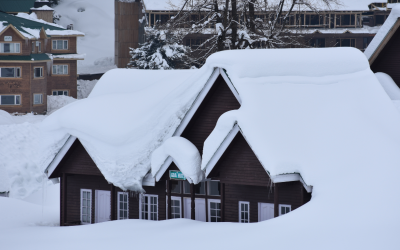
East Richmond, like much of Virginia, is no stranger to winter storms. While our winters aren’t as harsh as those in the Northeast, we still get our fair share of snow and freezing rain. The combination of these weather conditions, together with changing temperature patterns, creates optimal conditions for destruction. The process of snow melting and refreezing can create ice dams on your roof, blocking proper water drainage. Water begins to accumulate beneath the shingles, which leads to leaks that enter your home. Freezing temperatures pose a risk of pipe bursts, which are most common in uninsulated spaces like basements and crawl spaces. The assessment of home risks requires you to establish leak detection systems for your residence.
Common Risks in East Richmond Winter Storms
Roof leaks, frozen pipes, and water intrusion are among the most common problems homeowners face after a winter storm. Ice dams that form on roofs create a blockage that stops water from flowing to the drainage system. The shingles need to be removed because water will keep moving until it reaches the attic, causing damage to insulation and ceiling materials. Frozen pipes create a second problem: water that freezes inside them can burst, causing flood damage. Water intrusion around the foundation, windows, and doors becomes a problem when snow begins to melt. Mold will start to develop if the remaining moisture is not addressed immediately. Early detection of leaks prevents problems that would otherwise remain hidden until they become significant issues.
Before the Storm: Preparation and Prevention
Inspect Your Roof and Gutters
The first thing you can do to protect your home is inspect your roof and gutters. Heavy snow and ice can accumulate quickly, so clearing debris from your gutters before the storm hits is essential. If gutters are blocked, water can back up and create ice dams, which cause roof leaks. You should examine your roof to determine whether it has missing or damaged shingles at all locations, including the eaves, which are common sites for ice dam formation. If you need help with a roof inspection but can’t inspect your roof yourself, hire a professional who offers this service. The leak detection services available at your location help you detect concealed damage before it becomes a significant issue.
Insulate Your Plumbing
Frozen pipes are one of the most common and costly issues homeowners face during winter storms. If you have exposed pipes in your basement, crawl spaces, or exterior walls, insulate them to prevent freezing. You can install heat tape to protect vulnerable pipes from freezing during cold weather. To protect your property from freezing temperatures, you should disconnect outdoor hoses and drain them before you shut off outdoor faucets. You should maintain a constant temperature throughout your home to prevent frozen pipes when you’re away for an extended period. Leak detection can help you spot small leaks from frozen pipes before they turn into full-blown flooding.
Weatherproof and Seal Your Home
Your home needs sealed exterior gaps, including doorways, window frames, and all points of cold air entry. The solution for these areas requires weatherstripping and caulk. Your home should receive additional attic and basement insulation to help maintain stable indoor temperatures. Your home needs insulation because it protects you from two main hazards: frozen pipes and roof leaks. A professional can assist you with insulation selection when you lack knowledge about which areas to insulate. Your water damage risk will decrease when you fix these problems before the upcoming storm.
During the Storm: Monitoring and Immediate Actions
Keep the Heat On and Monitor for Leaks
The storm requires you to maintain your home temperature at a stable level to stop pipes from freezing. You should open cabinet doors under sinks when you are inside your home during the storm, as this will help warm air reach your plumbing system. People should pay attention to any unusual sounds coming from their pipes and monitor water flow patterns in their system. The presence of drips or wet areas on your ceilings or walls indicates that your roof has developed an active leak or water has entered your home. You can prevent problems from getting worse by using early leak detection to identify existing issues.
Manage Snow and Ice Safely
If you notice snow accumulating on your roof, it’s a good idea to remove some of it using a roof rake. The solution will stop ice dams from developing. Roof access during storms should be avoided because it creates dangerous conditions. If you suspect ice dams have formed already, you should contact a professional for safe ice dam removal. The ice dam backup requires leak detection services to identify concealed leaks.
Handle Power Outages
Winter storms frequently cause power outages. When power is lost, you should maintain home warmth by using a generator, which must be operated outside and kept away from all windows and vents. Your pipes will freeze more rapidly during power outages because your home needs to maintain a normal temperature. Leak detection services help find and evaluate water damage caused by storms that allow water to enter and damage your property.
After the Storm: Inspection and Action
Inspect for Damage
The period of storm passage requires you to conduct a complete damage assessment of your property. The process requires you to examine your attic and ceilings for any water stains or signs of leaks. The presence of damp spots indicates that water has entered your home through the shingles. You need to check your roof for ice dams, which may have caused roof leaks. You need to inspect your plumbing system, as it includes areas vulnerable to freezing temperatures, such as basements and crawl spaces. Leak detection services can help you identify concealed leaks that are difficult to detect.
Document and Address Damage Quickly
The process requires you to take photographs of any damage you discover, which you must then document for insurance reasons. The first step to prevent further damage is to take immediate action. Delaying the repair of water damage increases the risk of mold growth. Mold growth begins within 24 to 48 hours of materials becoming wet, making it essential to respond without delay. Leak detection services enable the discovery of concealed moisture and address it through appropriate treatment methods.
Dry and Repair
Water damage occurs without delay. Your home will sustain less damage if you begin drying wet areas sooner. You can dry affected areas with fans and dehumidifiers, or hire a professional team to handle the drying process. All Dry Services of East Richmond operates as a water extraction and leak detection company, providing drying services that enable fast recovery for customers. The faster you dry the area, the less likely mold is to develop.
How All Dry Services of East Richmond Can Help
All Dry Services of East Richmond provides help to homes that have experienced water damage because of winter storms. Our company offers leak detection services to identify hidden leaks and prevent further damage. Our company uses its expertise in water extraction, drying, and mold removal to restore your home to its original state as quickly as possible.