 All Dry Services of East Louisville

 60 Min Response Time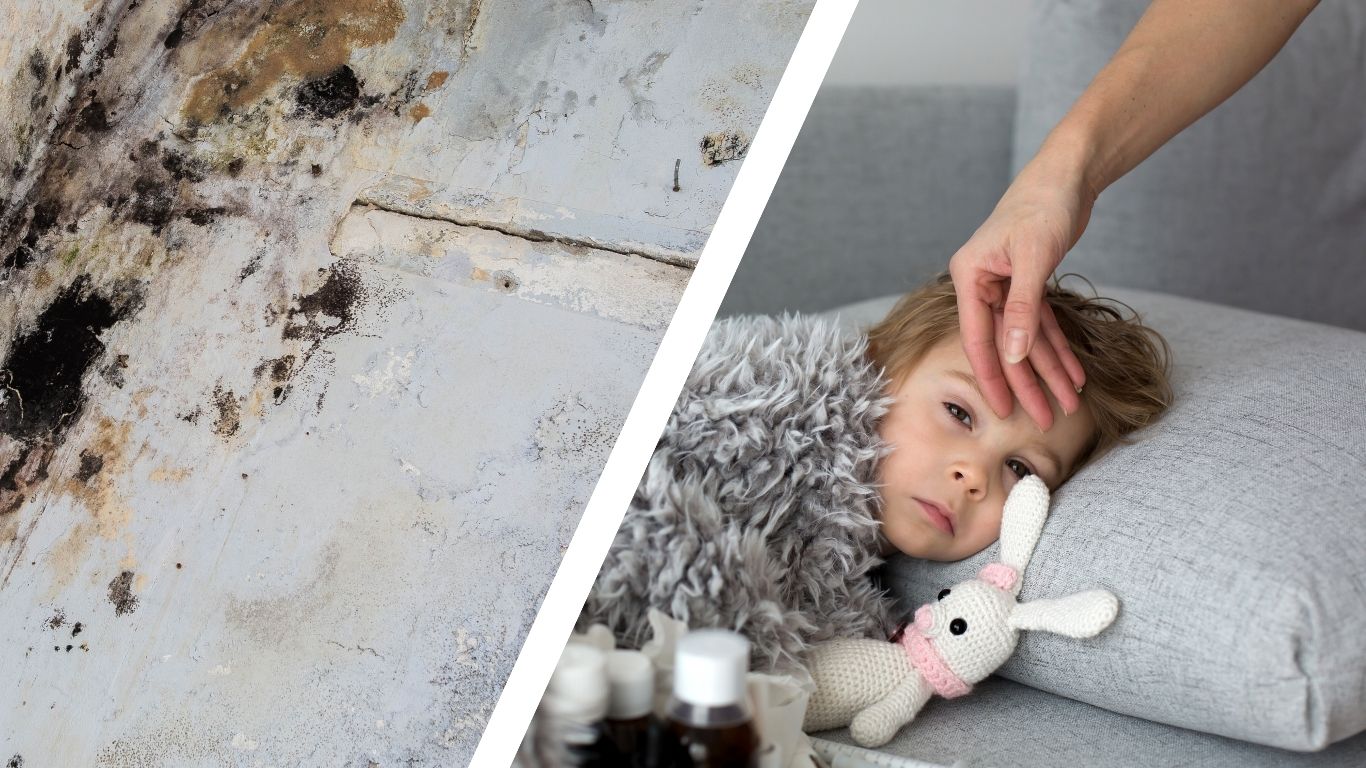
Surprising Effects of Mold Exposure in Children
Mold exposure in children is a concern that often goes unnoticed, yet its impact on their health and well-being can be significant. In this blog post, we’ll talk about the surprising effects of mold exposure in children, exploring both the immediate and long-term consequences that may come up. As parents, caregivers, and educators, it’s crucial to be aware of these effects to create a safe and healthy environment for our young ones.
Understanding Mold Exposure in Children
Mold exposure in children can occur in various settings, including homes, schools, and daycares. Mold is a type of fungus that thrives in damp and humid environments, releasing tiny spores into the air. Inhaling or coming into contact with these spores can cause health issues, particularly in developing children.
The Hidden Dangers of Mold Exposure
Mold Exposure in Children and Respiratory Health
One surprising effect of mold exposure in children is its impact on respiratory health. Mold spores can trigger asthma symptoms, aggravate allergies, and lead to respiratory infections. Kids with growing lungs are more at risk. Being around mold when they’re young can make them more likely to have breathing problems later on.
Allergic Reactions and Mold Exposure in Children
Another surprising aspect is the link between mold exposure and allergic reactions in children. Mold spores can act as allergens, causing symptoms such as sneezing, runny nose, itchy eyes, and skin rashes. Prolonged exposure may contribute to the development of allergies, affecting a child’s overall quality of life.
Mold Exposure and Cognitive Development
Apart from breathing problems, mold exposure in kids can also affect their thinking abilities. Research shows that being around mold might make it harder for them to remember things and stay focused. The presence of mold in learning environments may hinder a child’s ability to perform well academically.
Mold Exposure and Mental Health in Children
The emotional toll of mold exposure in children is an often overlooked aspect. Studies suggest that kids exposed to mold might feel more anxious and sad. Living in a moldy place can be stressful and uncomfortable, which can affect a child’s overall happiness.
Additional Effects of Mold Exposure in Children
Mold Exposure in Children and Dermatological Health
In addition to respiratory, cognitive, and emotional effects, mold exposure in children can also manifest as skin issues. Mold spores, when in contact with the skin, may lead to various dermatological problems, including irritation, redness, and itching. Children with sensitive skin or pre-existing skin conditions may be more susceptible to these issues. It is essential for parents and caregivers to be vigilant about any unusual skin reactions in children, especially in environments where mold may be present.
Mold Exposure in Children and Immune System Vulnerability
Kids have developing immune systems, so mold exposure can be a bigger problem for them. Breathing in or touching mold can make their immune system work extra hard, making them more likely to get sick. Parents and caregivers should be careful in places where mold might grow to keep kids healthy. A strong immune system is important for a child’s well-being, and avoiding mold helps keep it strong.
Mold Exposure and Long-Term Health Implications
While the immediate effects of mold exposure in children are concerning, there is growing evidence suggesting potential long-term health implications. Prolonged exposure to mold during childhood may contribute to the development of chronic health conditions later in life. This includes respiratory issues, allergies, and even an increased risk of certain diseases. Understanding the long-term consequences emphasizes the importance of addressing mold exposure early on to safeguard a child’s future health.
Mold Exposure and Academic Challenges
Apart from cognitive development, mold exposure in children can directly impact their academic performance. The presence of mold in educational settings, such as schools and daycares, can lead to increased absenteeism due to health issues. Additionally, children exposed to mold may experience difficulties concentrating, leading to challenges in learning and academic achievement. Schools and parents must work collaboratively to create environments that promote both physical health and optimal learning conditions.
Preventing Mold Exposure: A Proactive Approach for Parents and Caregivers
Tips for Mold Removal and Prevention at Home
Given the surprising effects of mold exposure in children, it’s crucial to take proactive steps to prevent its occurrence. Here are some practical Mold Removal tips for parents and caregivers:
- Maintain Proper Ventilation: Ensure good airflow in your home to reduce humidity and discourage mold growth.
- Address Water Leaks Promptly: Repair any water leaks or damage promptly to prevent the development of mold-friendly environments.
- Use Dehumidifiers: In damp areas, consider using dehumidifiers to control moisture levels and inhibit mold growth.
- Regularly Clean and Inspect: Regularly clean and inspect your home for any signs of mold. Pay attention to areas prone to moisture, such as bathrooms and basements. Talk to professional mold inspection services who can assist you in a mold free home. All Dry Louisville has a certified team to help you and your family through this time.
Taking Action: A Collective Responsibility for Child Well-being
Community Awareness and Advocacy
To tackle the hidden problems of mold in kids, everyone—communities, schools, and policymakers—needs to work together. We should spread the word about mold’s dangers and push for ways to stop it in public places. This way, we can make sure our children grow up in healthier surroundings, ensuring a better future for all.
To stay up to date with us, please follow our Facebook and Twitter pages.