 All Dry Services of Dallas

 60 Min Response Time
Why Flood Damage Restoration in Euless Can’t Wait After a Storm
Euless storms don’t mess around. One heavy rain can turn a dry street into a river in under an hour, and by the time the water recedes, your home might already be dealing with serious damage.
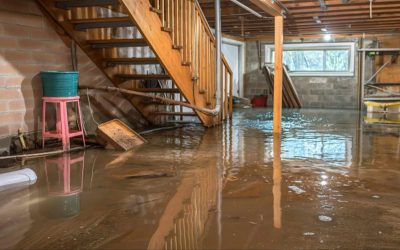
Flood damage restoration in Euless isn’t something you want to put off. The longer water sits, the worse things get. Whether it’s your living room, basement, or crawl space, floodwater creates a chain of problems that only gets harder to fix over time.
How Euless Floods Hit Homes Hard
Storm Patterns in North Texas
Euless sits right in the middle of some pretty wild North Texas weather territory. Spring and fall bring heavy thunderstorms, and the area’s mix of clay soil and urban concrete means water doesn’t always drain fast enough.
Flash floods can build up in minutes, catching homeowners off guard even when they’ve lived through storms before.
The Types of Damage You’re Dealing With
Flooding does much more than leave a wet floor: It warps hardwood, buckles drywall, and ruins insulation inside your walls. Water finds its way into places you wouldn’t expect: under flooring, behind cabinets, and into electrical systems. That’s where the real trouble starts.
Hidden Damage Is the Tricky Part
Here’s what catches most people off guard: much of the flood damage isn’t visible right away. Water that seeps behind walls or under subfloors can sit undetected for days.
Without the right tools, you won’t even know it’s there until mold shows up or floors start sagging.
Why Flood Damage Restoration in Euless Should Be Your First Call
Mold Grows Faster Than You’d Think
Mold develops within 24 to 48 hours of water exposure. Once it takes hold inside walls or under flooring, it becomes a health issue, including respiratory problems, allergies, and, for people who are already sensitive, worse. Getting water out fast is the single best way to stop mold before it starts.
Protecting Your Property’s Value
A home with untreated flood damage loses value fast. Warped floors, stained ceilings, and musty smells are red flags for any future buyer or inspector. Handling restoration quickly keeps those problems from becoming permanent.
Floodwater Isn’t Just Water
After a storm, the water that enters your home often carries more than you’d like to think about. It can mix with sewage, street chemicals, and other contaminants, making it genuinely hazardous. That’s not something you want to handle with a mop and a box fan.
It Saves Money in the Long Run
Opting for specialized services to lower the budget initially usually ends up increasing costs down the road. Structural mending, mold eradication, and replacement of ruined tiles and carpets can cost you a fortune over time. Running the first mile is a clever plan on all counts.
What the Flood Damage Restoration Process Actually Looks Like
Assessment and Water Removal
A restoration crew starts by inspecting the full extent of damage, including areas not visible. Moisture meters and thermal imaging help find water hiding in walls and under floors. From there, industrial pumps and vacuums quickly remove the standing water.
Drying and Dehumidification
Once the water’s out, the drying process begins. Professional teams bring in high-capacity air movers and dehumidifiers that go well beyond what a regular household fan can do. This step is critical because it’s what actually prevents mold from setting in.
Repairs and Reconstruction
After everything dries out, the repair work begins. Depending on the damage, that could mean replacing drywall sections, repairing flooring, or addressing electrical systems that got wet. The goal is to get your home back to the way it was before the storm.
Final Inspection
Before calling a job done, a good restoration team walks through the property one more time to confirm all moisture levels are within normal range. That final check gives you confidence that the problem is actually solved, not just covered up.
Why Homeowners Trust All Dry Services of Dallas
All Dry Services of Dallas has worked with Euless homeowners through some of the area’s worst storm seasons. The technicians hold industry certifications and bring equipment that most homeowners won’t find at a local hardware store.
What sets All Dry Services of Dallas apart isn’t just the equipment, but also the response time. Storm damage does not wait, and neither do they. Homeowners who have worked with the team consistently mention how quickly the crews arrived, and how clearly they explained every step of the process.
One customer put it simply: “I didn’t know where to start after the flood. All Dry Services of Dallas showed up, walked us through everything, and we felt a lot less overwhelmed.”
What You Can Do Before and After a Flood
Before the Storm Hits
Taking a few steps ahead of time can make a real difference. Install sump pumps in basements or crawl spaces, seal gaps around windows and doors, move important documents and valuables to higher ground, and know exactly where your home’s main water shutoff is.
During the Flood
Stay out of the floodwater. It can carry electrical charge from downed lines, and the contamination risk is real. If local authorities tell you to evacuate, don’t wait around.
After the Water Recedes
Call a professional restoration service before doing much else. Don’t walk into rooms with standing water, and wear protective gear if you need to inspect anything. Document damage with photos before anything gets moved or removed.
Getting Your Home Back to Normal
Flood damage restoration in Euless is about more than just drying things out. It’s about protecting your health, your investment, and your peace of mind. The process works best when it starts quickly, and that holds whether you’re dealing with a flooded basement or a soaked living room after a bad storm.
If your home or business has taken on water, contact All Dry Services of Dallas. They’ll get the right team out fast and walk you through exactly what needs to happen next.
To stay updated, please follow our Facebook and Instagram pages.