 All Dry Services of Central Mass

 60 Min Response Time
Water Damage Restoration in Central MA What to Do in the First 24 Hours
When Water shows up where it shouldn’t, on your floors, behind drywall, or seeping into your basement, it’s easy to feel overwhelmed. In Central Massachusetts, fast-changing weather, older housing stock, and frozen pipes in winter can quickly turn a small leak into a big mess.
The first 24 hours matter more than most people realize. Acting quickly can reduce repairs, prevent mold, and protect your Belongings. This guide will show you what to do when performing water damage restoration in your home. It explains the first steps to take immediately after the disaster.
First, make it safe: electricity, gas, and contaminated Water.
Before you start moving items or mopping up, take a minute to think about safety. Water and electricity are a dangerous combination, and some water damage can involve contamination that shouldn’t be handled without proper protection.
Do not enter Water when there are any openings nearby, when electrical appliances are around, or when a buzz can be heard. If it is possible to approach the breaker box without entering Water, turn off the power supply to the respective area.
Next, identify what kind of Water you’re dealing with:
- Clean Water: from a supply line, faucet, or rainwater intrusion caught early.
- Gray Water: from washing machines, dishwashers, or sump pump overflow.
- Black Water: sewage backups or floodwater, this requires professional sewage cleanup.
If you suspect sewage, don’t try to clean it yourself. Close off the area, keep kids and pets away, and plan for professional containment and sanitation.
Stop the source and document the damage.
Your next goal is to stop more Water from entering the space. Suppose the issue is a plumbing leak. Shut off the nearest valve (often under a sink or behind a toilet). If you can’t locate it, turn off the home’s main water supply.
This is especially true when the source is not readily apparent, for example, if there are spots of water damage on a ceiling or if a wet area is expanding on a wall. That’s why water leak detection can prove helpful in such cases.
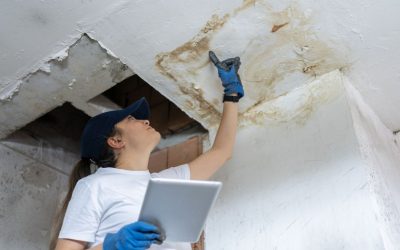
Once the source is stopped, take photos and short videos before you move around too much. Capture:
- Standing water and wet materials (carpet, drywall, baseboards)
- Ceiling stains and bubbling paint
- Furniture, electronics, and personal items were affected
- Any suspected source (burst pipe, appliance leak, ice dam area)
This documentation can help with insurance and also help restoration teams understand the scope quickly.
What to do in the first 24 hours of water damage restoration
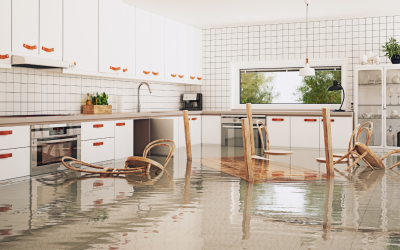
The objective on the first day is to control the removal of Water and moisture. It may be tempting to think the room is dry just because it looks dry. However, Water may be hiding under the floor, in insulation, or behind cabinets.
0–2 hours: remove Water and protect what you can
If it’s safe and the water is clean, remove standing water. Use towels, a wet/dry vac, or a pump for deeper water in the basement. Move rugs and lift lightweight furniture. Then, place aluminum foil or wood blocks under the legs to prevent staining and warping.
Basement floods should be approached with care. If the water level is high or there is evidence of seepage through the foundation, it may be best to call on experts for proper extraction and begin the drying process.
2–8 hours: start drying and reduce humidity
Drying isn’t just “turn on a fan.” The aim is to reduce humidity and move air across wet surfaces so moisture can evaporate. Open windows only if outdoor humidity is low; otherwise, you may bring in more moisture (common during humid Central MA summers).
What helps most:
- Dehumidification to pull moisture from the air
- Strategic airflow (fans aimed across wet areas, not directly into walls)
- Removing wet, porous items that won’t dry quickly (some cardboard, paper piles, soaked cushions)
Professional teams use industrial-strength dehumidifiers and fans for structural drying, a process intended to dry interior structural components like walls, subfloors, and framing cavities, rather than simply the surfaces.
8–24 hours: check for hidden moisture and watch for mold conditions
By the end of the first day, you should be able to see indications of remaining moisture where it is difficult to see. These warning signs may include:
- Musty or “damp basement” smells
- Soft or spongy drywall
- Flooring that’s cupping, lifting, or buckling
- Condensation on windows or a sticky, humid feeling indoors
Mold can begin to grow quickly when materials remain damp. If you’ve had Water in wall cavities, under flooring, or in a basement with poor airflow, scheduling mold inspections can help confirm whether conditions are developing for mold growth. If mold is found or suspected, professional mold removal & remediation is the safest way to handle it without spreading spores through the home.
Common Central MA scenarios (and how the first day differs)
Not all water damage is the same. Here are a few situations that often occur in Central Massachusetts, along with what to keep in mind during the first 24 hours.
Storm-related water intrusion
Heavy rainfall, wind-blown water, and winter ice dams may force water into the attic, wall cavities, and around windows. In storm damage cleanup, the first day may involve not only removing water but also sealing out any additional water that might enter in the next storm.
Appliance leaks and slow plumbing drips
Either a leaking dishwasher or even a dripping supply line could cause a subfloor to get wet. Here, there will likely be very little water visible, yet the damage beneath the floor could still be quite severe. Leak detection and moisture mapping are therefore important to prevent future issues.
Sewage backups
If drains back up or a sewer line overflows, it must be considered contaminated. One should avoid exposure to this hazard, refrain from using fans to spread the particulates, and prepare to call in professional assistance for sewage removal and decontamination.
When to call a professional restoration team (and why speed matters)
Some smaller spillages may be managed using basic drying techniques. However, most water damage cases require professional equipment and expertise to avoid complications. Water damage restoration services should be considered if:
- Water has been present for more than a few hours
- It reached drywall, insulation, or subflooring
- You have basement flooding or recurring seepage
- There’s a musty smell, or you suspect mold
- The Water may be contaminated (including any sewage)
- You’re dealing with a business space and need fast recovery (commercial restoration)
Professional restoration typically combines extraction, structural drying, and dehumidification. Monitoring is used to ensure that the materials are actually drying rather than merely feeling dry. If lingering odors persist after drying, odor removal may be necessary, as moisture entrapment is common.
Don’t forget secondary damage: smoke, fire, and combined events.
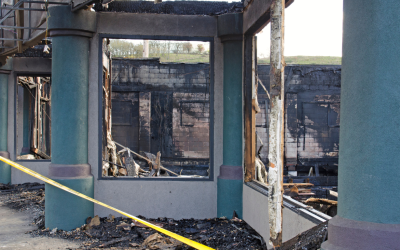
Sometimes water damage isn’t a standalone event. For example, a kitchen fire may result in water damage when firefighters use hoses or sprinklers to extinguish it. It is important to coordinate the restoration process since water combined with Soot can create stubborn stains and odors.
Action checklist for the first day
For an easy way to be organized, take note of the following checklist for your first 24 hours:
- Make the area safe: shut off power if needed; avoid contaminated Water
- Stop the source: disconnect water sources; look out for other leaks
- Document everything with photos/video
- Remove standing Water if safe
- Start airflow and dehumidification to lower indoor humidity
- Separate wet belongings; don’t pile damp items together
- Watch for signs of trapped moisture and mold conditions
- Call professionals for sewage, storms, basements, or widespread saturation
Water damage is an emergency, but that does not mean you need to act immediately. Safety is the most important thing; then you must address the source of the water and begin drying. In Central MA, where humidity and weather patterns might affect drying, the proper action will save you from further issues.
Have you experienced water damage? Do you require an inspection? Contact All Dry Services of Central Mass for assistance in protecting your property and restoring it to its rightful condition.
To stay current with us, please follow our Facebook and Instagram pages.