 All Dry Services of Central Mass

 60 Min Response Time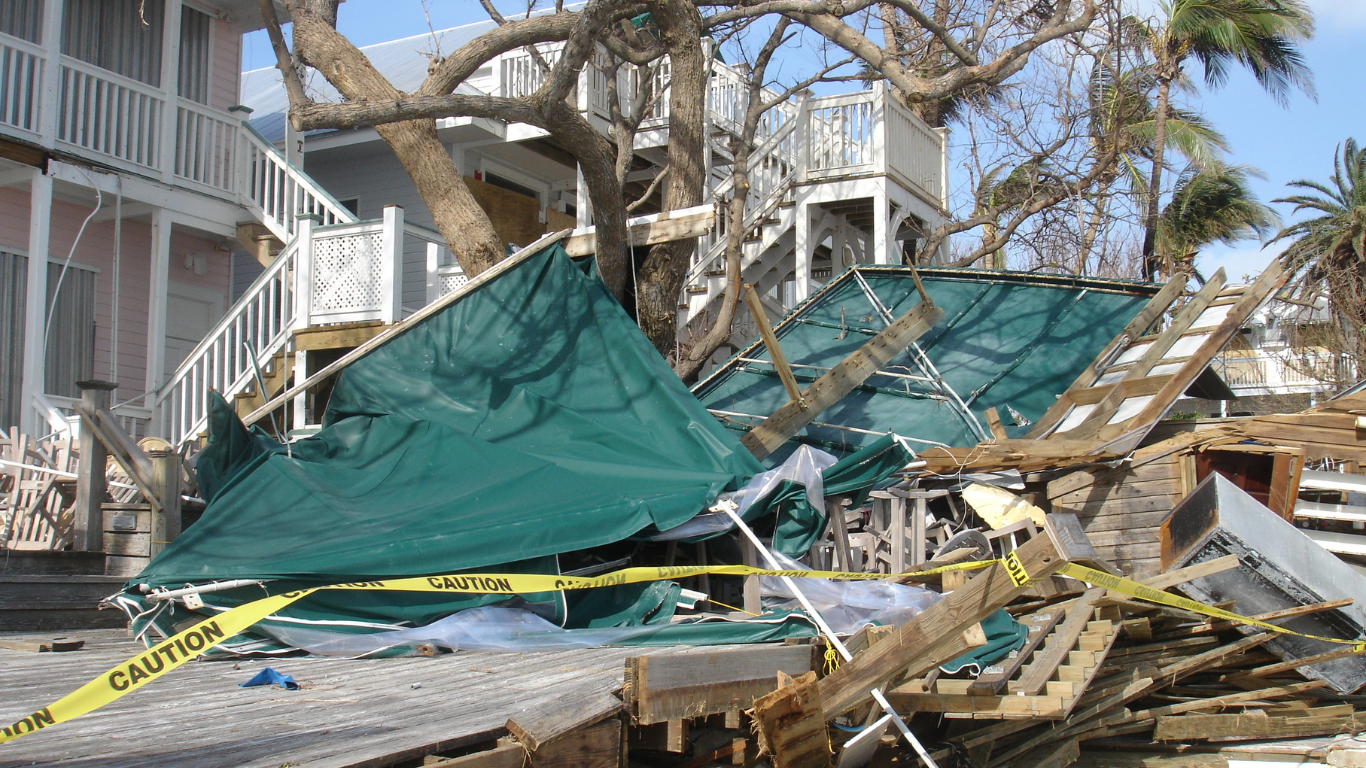
Emergency Checklist for Storm Damage Restoration in Natick, MA for Homeowners and Businesses
When a storm hits Natick, MA, the impact can take the form of rapid roof leaks, flooded basements, fallen trees, and power failures, which can turn your little headache into a bigger one. But fortunately, with a proper and predictable plan, things become relatively easy.
This emergency checklist is designed for both homeowners and business owners dealing with storm damage restoration decisions in the first minutes, hours, and days. Make sure you keep this list handy. It will help ensure your health and safety during this process.
1) Immediate safety check (first 5–15 minutes)
Do not approach any object assuming there are no dangers. Weather conditions can affect electricity, gas, and structural support systems even after rain, winds, and fallen objects.
- Stay out of standing water until you’re sure electricity is off. Water and live wiring are a dangerous combination.
- Look for structural red flags: sagging ceilings, bowed walls, new, large cracks, or doors that suddenly won’t close.
- Smell for gas and listen for hissing. If you believe there is a leak, evacuate the building immediately and notify the utility company.
- For businesses: keep staff and customers out of affected areas and cordon off hazards with signage or barriers.
In case of unsafe conditions, stop to allow for professional assistance. Safety must come before everything else in handling storms.
2) Stop additional damage (without taking risks)
After making sure it’s safe to do so, try to prevent the problem from getting worse. The aim here is damage limitation.
- Shut off the water if you suspect a broken supply line or appliance leak.
- Shut off power to affected areas if water intrusion is present. If you can’t access the panel safely, don’t force it.
- Contain roof or window leaks with buckets, towels, and plastic sheeting where possible.
- Move valuables and inventory to a dry, higher location. For basements, move items off the floor onto shelving or up to an upstairs location.
Even small actions can reduce the scope of repairs, especially in cases of Basement Flooding or persistent seepage after a storm.
3) Document everything for insurance (the “before you clean” rule)
It may be tempting to tear out everything wet at once, but remember that keeping a record will be helpful.
- Take wide and close-up photos of every affected room and item.
- Record video walkthroughs and narrate what happened (date, time, where water entered, what you noticed first).
- Save receipts for any emergency supplies or temporary lodging.
- For businesses: document damaged equipment, product loss, and any interruption to operations.
Call a restoration team and find out what information they require before mitigation, so you don’t miss anything important.
4) Identify the water category and urgency
Not all water damage is created equal; the reaction needs to fit the danger. Stormwater can contain pollutants, and backup problems may be very unhealthy for you.
- Clean water (like a supply line leak) is urgent but typically less hazardous.
- Dirty/gray water (from appliances or some seepage) requires careful handling.
- Contaminated water (including backups) should be treated as a biohazard and handled with professional Sewage Cleanup.
If you don’t know where the water is coming from, Water Leak Detection can find the source. This is especially useful when moisture spreads behind walls or under floors.
5) Start water removal and drying the right way
Drying is where many storm cleanups go wrong. If moisture lingers, materials can swell, floors can warp, and mold can begin growing quickly.
- Remove standing water as soon as practical. The longer it sits, the deeper it wicks into building materials.
- Promote airflow only if it’s safe and outdoor humidity isn’t extreme.
- Dehumidification is critical in Natick, MA during the summer months and during damp shoulder seasons. It pulls moisture from the air so wet materials can actually dry.
- Structural Drying may be needed when water has soaked framing, subfloors, insulation, or wall cavities, areas that household fans can’t effectively reach.
Professional Water Damage Restoration typically combines extraction, controlled Drying, and moisture monitoring to ensure hidden wet spots don’t go unnoticed.
6) Watch for mold triggers (and don’t ignore the smell)
After a storm, mold risk often comes from things you can’t see. This includes damp drywall, wet insulation, and moisture trapped under flooring. A musty odor is a clue, not just an annoyance.
- Check “quiet zones” like closets, storage rooms, basements, and behind furniture.
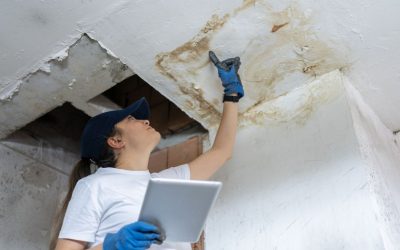
- Look for discoloration on drywall seams, baseboards, and ceiling corners.
- Pay attention to symptoms like increased coughing, headaches, or irritated eyes in the building.
If you suspect growth, Mold Inspections can confirm what’s happening and where. If mold is present, Mold Removal & Remediation helps address both the visible contamination and the moisture conditions that caused it.
7) Handle odors early (they’re usually a moisture signal)
Storm-related odors include musty smells, damp carpet scents, and “wet wood” smells. These often mean that materials didn’t dry all the way. Managing odors isn’t just for comfort; it also helps stop future issues.
- Don’t mask odors with heavy fragrances. Find and fix the moisture source.
- Remove waterlogged, porous items that can’t be dried safely (e.g., some rugs, insulation, certain ceiling tiles).
- Odor Removal can be helpful after Drying and cleanup, especially when smells have settled into fabrics or building materials.
Odors that persist after drying are a sign to reassess moisture levels and hidden damage.
8) Special checklist for businesses: reduce downtime
Commercial properties have their own challenges. They include compliance, trust, and cost issues. When planning for storms, consider cleanup. In addition, factor in operational issues.
- Protect data and equipment by relocating servers, POS systems, and critical electronics away from wet zones.
- Separate salvageable inventory from damaged stock to speed documentation and disposal decisions.
- Communicate clearly with staff about safe access points and restricted areas.
- Get Commercial Restoration support early. This helps with drying, cleanup, and finding a practical way to reopen.
Even if the damage appears limited, rapid professional Drying can prevent a prolonged closure caused by hidden moisture or mold.
9) Don’t overlook fire-related risks after storms
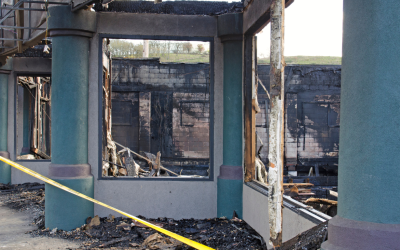
Storms can cause electrical shorts, lightning strikes, or generator Thunderstorms might result in electrical faults, lightning strikes, or generator accidents. Any sign of smoke, soot, or a burning smell must be taken very seriously.
- Do not run any damaged electrical systems until they are inspected.
- Avoid disturbing soot: it can spread and embed into surfaces.
- Fire damage restoration can address soot residues and related damage, especially when fire issues overlap with water used to control it.
In some situations, storm response involves both water- and fire-related cleanup, and timing is critical to prevent permanent staining or corrosion.
10) When to call for storm damage restoration help
Certain storm problems require professional help for various reasons. These can include safety hazards, contamination, or unseen damage that could eventually lead to mold formation.
- Water has entered the walls, ceilings, or floors
- Your basement has significant flooding or recurring seepage
- You suspect sewage or contaminated water exposure
- Drying isn’t improving conditions after 24–48 hours
- There’s a persistent musty odor or visible mold
- Your business needs a coordinated plan to reopen quickly
Storm Damage Restoration support helps you understand mitigation, drying, cleaning, and next steps. You won’t have to guess what’s wet or what needs to be removed.
Damage from storms can be stressful. This is a useful guide to get all your work done efficiently. The priority, obviously, should be safety. Take pictures of any damage, drain out the water, and dry anything that needs to be dried.
If your property in Natick, MA has storm damage, contact All Dry Services of Central Mass for help. We can check the damage. We’ll help you with the next steps. Then, we’ll restore your property safely and quickly.
To stay up to date with us, please follow our Facebook and Instagram pages