 All Dry Services of the Bluegrass

 60 Min Response Time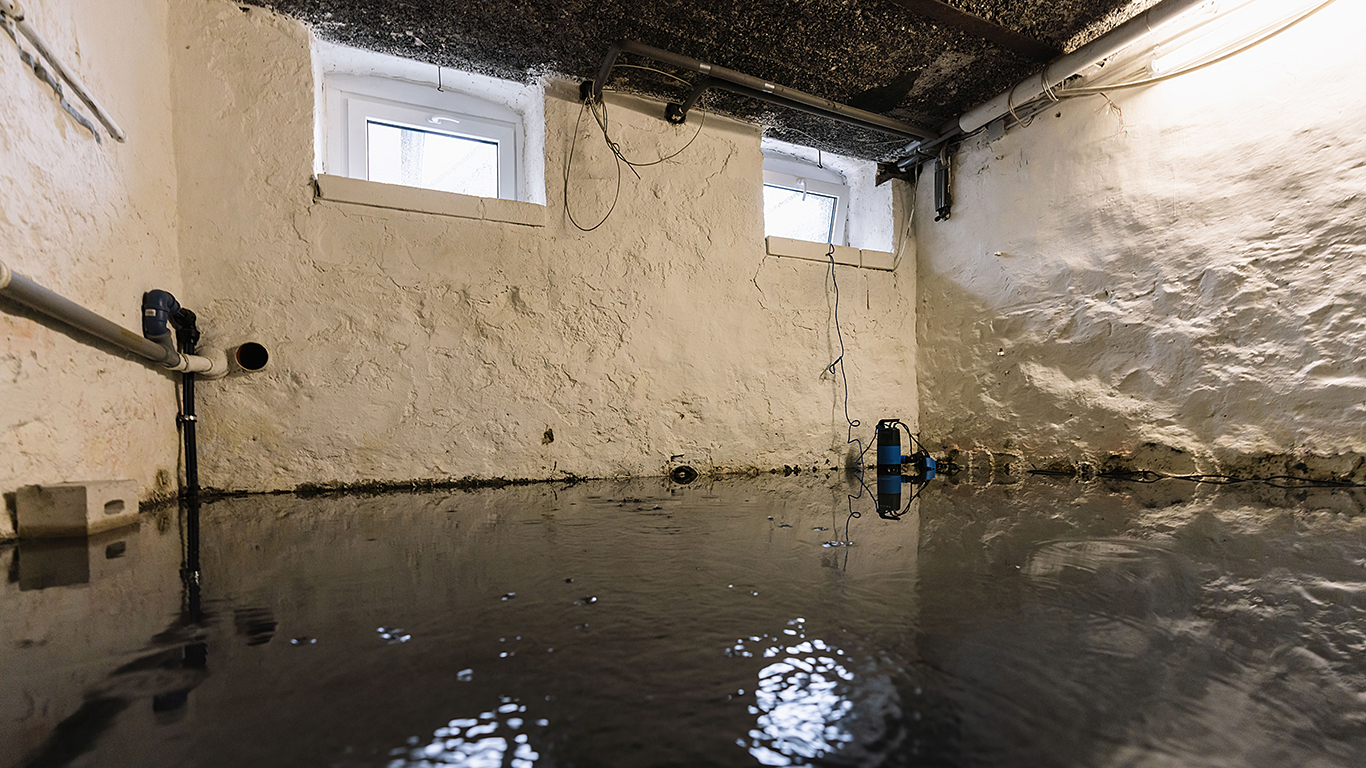
How to Stop Basement Flooding 101
Learn how to stop basement flooding before it starts! Rain, poor drainage, and cracks in your house can cause a lot of trouble. This guide helps you find where your home might be vulnerable and how to fix it. You’ll discover simple steps like sealing cracks, setting up sump pumps, and maintaining gutters. We’ll talk about landscaping tricks to keep water away and what to do if flooding happens. With these tips, you can protect your basement and act fast if there’s an emergency.
Understanding the Common Causes and Risks
Basement flooding is a homeowner’s nightmare. Understanding the common causes and risks is the first step toward prevention. Heavy rainfall, poor drainage, and foundation cracks are the primary culprits. When rainwater accumulates around your home, it can seep into the basement, causing havoc. Additionally, improper grading and gutter issues exacerbate the risk. Identifying the specific vulnerabilities in your home is crucial for effective prevention.
To understand the risks, you need to recognize the potential damage to your property and health. Mold growth, structural damage, and ruined belongings are common consequences. Mold can also cause respiratory issues, so it’s important to recognize these risks. This emphasizes the need for proactive measures to protect your basement and overall well-being.
Assessing Your Basement’s Flood-Prone Areas
Assessing your basement’s flood-prone areas requires a comprehensive inspection. Look for cracks in the foundation, gaps around windows, and vulnerabilities in the walls. Check the grading around your home to ensure water flows away from the foundation. Evaluate the condition of your basement windows and make sure they are properly sealed.
Your home’s drainage system is important. Water can collect around the foundation if your gutters and downspouts are not working well. This can make your basement flood. Finding these problems early lets you fix them and prevent water from getting inside.
Effective Waterproofing Solutions for Basement Protection
Sealing the cracks in your basement is a proactive approach to prevent water infiltration. It’s always best practice to contact a professional as they can provide mold inspections in cracks before they are sealed to prevent mold growth. Utilize waterproof sealants on foundation cracks and gaps. Epoxy injections are effective for repairing structural cracks, ensuring a watertight seal. Additionally, consider applying waterproof paint to the basement walls. It’s an added layer of protection.
Installing a sump pump is another effective measure. This device removes excess water from the basement, preventing flooding. Regular maintenance of the sump pump ensures its continued functionality. Combine these strategies for a comprehensive approach to sealing the cracks. It will safeguard your basement against water damage.
Gutters and Downspouts
Maintaining efficient gutters and downspouts is crucial in preventing basement flooding. Regularly clean gutters to remove debris that can cause blockages. Ensure downspouts direct water away from the foundation, preventing pooling around the basement. Consider installing gutter guards to minimize debris buildup. This will enhance the overall efficiency of your gutter system.
It is important to slope the ground around your home properly. This helps water to flow away from the foundation and prevents basement flooding. Taking care of your gutters and downspouts is also important to protect against water getting into your home.
How to Choose, Install, and Maintain Your Sump Pump
Choosing the right sump pump is essential for effective basement flood prevention. Submersible pumps are ideal for spaces with limited room. Pedestal pumps are suitable for easy maintenance access. Proper installation involves placing the pump in a pit at the lowest point of the basement. Regular maintenance, including checking the pump and cleaning the pit, is vital to ensure its optimal performance.
Installing a battery backup for your sump pump adds an extra layer of protection during power outages. This ensures continuous operation, preventing basement flooding even in challenging circumstances. Understanding the essentials of sump pump selection, installation, and maintenance is key. It makes this device your basement’s lifesaver.
Preventing Basement Flooding through Proper Yard Management
Landscaping plays a pivotal role in preventing basement flooding. Start by grading your yard away from the foundation to encourage water runoff. Planting native, water-absorbing vegetation can further enhance soil stability and reduce water accumulation. The Strategic mulch placement helps prevent erosion and allows water to penetrate the soil.
Consider the installation of a French drain to redirect surface water away from your home. This underground drainage system is effective in preventing water from reaching the basement. Implement these landscaping strategies to comprehensively manage your yard. This significantly reduces the risk of basement flooding.
Shielding Your Basement from the Inside Out
Interior waterproofing tactics provide an additional layer of protection against basement flooding. Apply waterproof sealants to basement walls and floors to create a barrier against moisture. A dehumidifier helps control indoor humidity levels, preventing condensation and mold growth. Consider using waterproof membranes for added protection.
Insulating basement walls is another effective tactic. This not only regulates temperature but also acts as a barrier against moisture. These interior waterproofing tactics protect your basement from flooding. Combining them creates a resilient shield.
Swift Actions to Take When Basement Flooding Strikes
Despite your best efforts, emergencies can still happen. Knowing how to respond when basement flooding occurs is crucial. First and foremost, prioritize safety by turning off electricity and gas to avoid potential hazards. Remove valuable items from the basement to prevent further damage and contact professionals for assistance. All Dry of Bluegrass provides free mold inspections to keep you and your family secure from any mold growth.
To ensure insurance coverage, document the damage and find the cause of the flooding if you can. Acting fast is important to minimize the effects of basement flooding. Have an emergency kit with a wet/dry vacuum and water extraction tools to help right away. Being prepared will help you respond quickly and effectively when basement flooding happens, reducing potential long-term damage.
To stay up to date with us, please follow our Facebook and Instagram pages.