 All Dry Services of the Bluegrass

 60 Min Response Time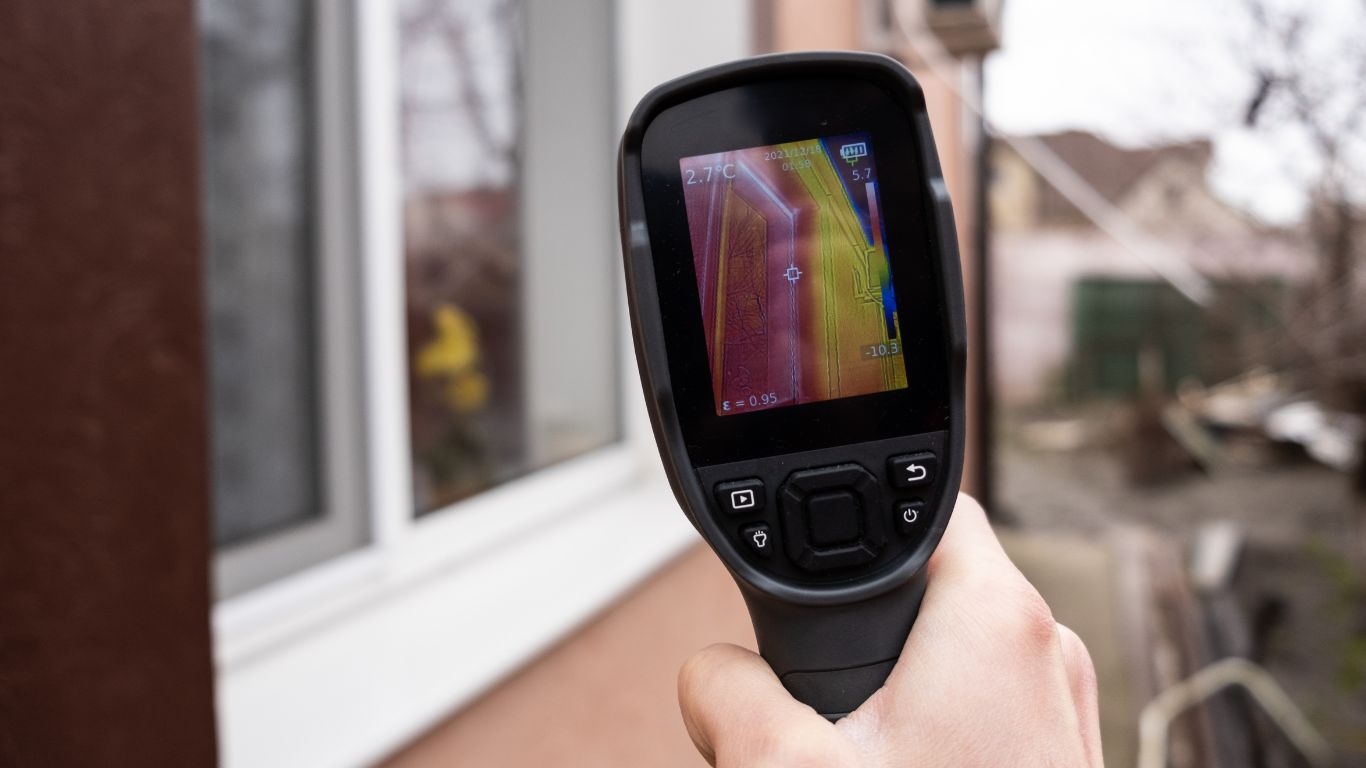
How Commercial Facilities Are Utilizing Leak Detection to Prevent Shutdowns
Leak detection systems are essential for commercial facilities. They stop leaks before they cause significant issues and are a must in today’s industries. They locate leaks fast, avoiding costly shutdowns.
The Mechanism Behind the Leak Detection
Leak detection in commercial facilities is essential. It merges technology and engineering to protect operations, assets, and the environment. These systems must detect leaks. They offer precise and instant leak information for timely action.
Sensor-Based Technology
The system’s sensors are crucial. They’re placed in the facility to catch any anomalies indicating a leak. These sensors, like pressure and flow meters, each have a unique job. Pressure sensors check pipe and tank pressures. Flow meters compare liquid or gas flow for irregularities. Acoustic sensors listen for specific sounds of leaking fluids.
Monitoring and Alarm Systems
When a sensor spots a problem, it sends data to a central system. This system checks the data using algorithms and decides if the issue is standard or a leak. If someone suspects a leak, an alarm will sound. The alarm makes noise and sends alerts via email or SMS, informing the right people.
Integration with Maintenance and Response Protocols
An adequate system involves finding leaks and responding. Today’s systems link to maintenance and emergency plans. When someone sees a leak, it triggers actions. Operators can close valves or shut down areas.
Data Analysis and Preventive Measures
The systems offer valuable data for analysts to prevent incidents. Engineers study leak causes to avoid future risks and improve safety. Continuous analysis enhances commercial operations’ safety and efficiency.
Real-world Applications of the Detection of Leak
The systems play a significant role in various industries. Each sector has its challenges and needs. And understanding their applications shows their importance for safety and efficiency.
Manufacturing Industry
Finding leaks is essential for process integrity in manufacturing. For example, in cars, spotting fluid leaks is vital. It ensures product quality and safety. In pharmaceuticals, detecting leaks in clean rooms is critical. It prevents contamination and ensures product purity. Advanced systems can find even tiny leaks. This avoids significant product recalls and protects brand reputation.
Oil and Gas Sector
The oil and gas industry depends on its technology. Sensors on pipelines, tanks, and platforms detect leaks, which are essential for safety and the environment. Leaks can cause explosions, fires, and pollution disasters.
Water Management and Utilities
It is also vital in water management and utility services. Water distribution networks can be extensive and intricate. They can develop leaks, causing water loss and service disruptions. It is a system that uses acoustic sensors and pressure monitors to tackle this issue. These tools help identify abnormalities in the network. By taking this action, we can make repairs and reduce water wastage. Additionally, thermal cameras and acoustic sensors play a crucial role. They detect steam leaks in power plants. This helps utilities prevent energy wastage and improve power generation efficiency.
Data Centers
In data centers, they prevent water damage to IT. Monitoring cooling systems for leaks is crucial. Early detection of leaks saves millions in damage and data loss. It is an indispensable part of operational infrastructure.
The Economic and Environmental Impact Detection of Leak
While technical, the systems have profound economic and environmental implications. Their role goes beyond avoiding shutdowns. They also affect a company’s finances and have an ecological impact.
Financial Implications of the Detection of Leak
Integrating the detection of leaks in commercial facilities is a smart move. Leaks can cost a lot, from lost resources to repairs. It is a strategic investment with significant benefits. By detecting and addressing leaks early, businesses can avoid these significant expenditures.
It is important in industries like oil and gas, impacting revenue. Water utilities enjoy leak reduction by saving production expenses. Companies can transfer these savings to customers or reinvest them.
Moreover, effective detection of leaks boosts operational reliability. Customers and partners value it for stability and safety, enhancing its reputation. This can attract more business opportunities and a better market position.
Environmental Benefits of Leak Detection
The environmental impact of leak detection is enormous. Unchecked leaks release harmful pollutants, damaging ecosystems, and public health. Hazardous material leaks, like chemicals or oil, can be severe and cause lasting harm to the environment. The detection of leak systems finds and controls leaks early to prevent harm. It is crucial in industries with hazardous materials to avoid environmental damage.
Beyond preventing pollution, it also contributes to resource conservation. Water utilities can cut water loss by managing leaks, which is vital for conserving water. Energy industries reduce waste by preventing steam and gas leaks, which boosts energy efficiency goals.
Sustainable Development and Corporate Responsibility
Companies show commitment to sustainability by using advanced systems. These systems focus on preventing leaks, safeguarding the environment, and ensuring safety. Detecting leaks in commercial facilities has a significant impact. It saves money, protects the environment, prevents pollution, and conserves resources. Balancing economics and environmental care is essential for sustainability and corporate responsibility.
To stay updated with us, please follow our Facebook and Instagram pages.