 All Dry Services of the Bluegrass

 60 Min Response Time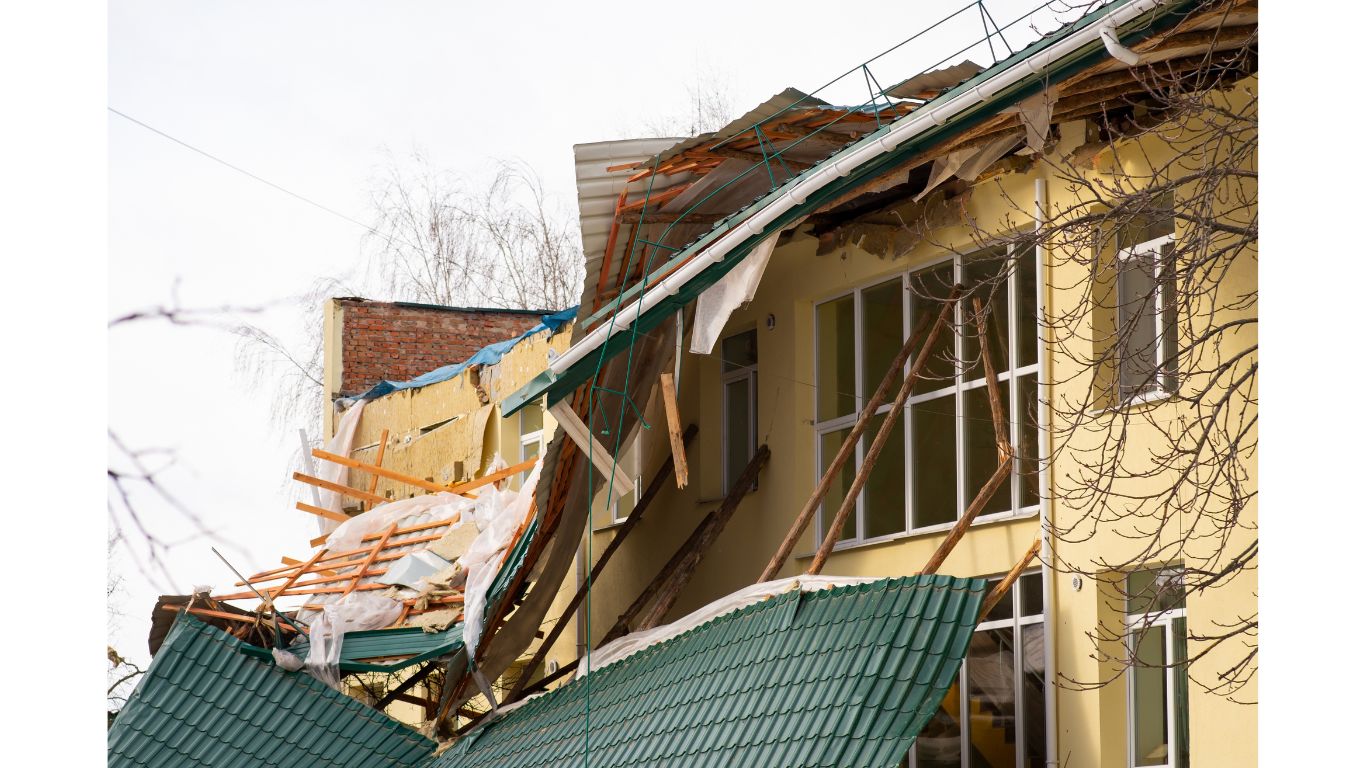
How to Deal with Storm Damage after a Disaster
Experiencing a storm can be terrifying, and dealing with its aftermath is often a daunting task. Once the storm has passed, it’s crucial to assess and manage the damage promptly to prevent further issues. Here’s a step-by-step guide to effectively navigating the aftermath of storm damage.
Immediate Safety Measures After Storm Damage
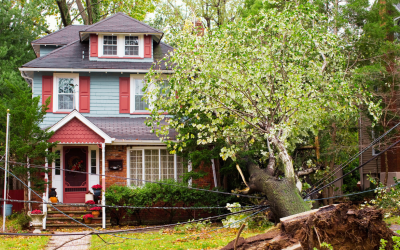
In the aftermath of a storm, your top job is to make sure everyone stays safe. Storms can cause significant damage to infrastructure, leading to hazardous conditions. Begin by evaluating the situation carefully. Check for immediate dangers such as broken glass, fallen power lines, or structural damage to your home before exiting a safe location. Use a battery-powered radio or phone to listen to weather updates and emergency instructions. If you suspect any structural damage to your building, evacuate immediately and seek professional inspection.
Once you’ve ensured the immediate area is safe, start securing it. Isolate hazardous spots, especially if there are children or pets around. This includes marking areas with broken glass, exposed nails, or unstable flooring. If you notice damaged water or electrical lines or a gas leak, it’s crucial to turn off the utilities to prevent further risks. However, only do this if you can safely access the main switches.
Seeking professional help is a vital next step. If anyone’s injured or if there is a significant hazard that you can’t manage, call emergency services right away. They can provide immediate assistance and advice on what to do next. For structural damage, talk to a certified engineer or building inspector to check if your home is safe. Avoid attempting to remove heavy debris or making structural repairs yourself, as this could be dangerous.
Finally, prepare for the aftermath management. Gather safety supplies like first aid materials, water, non-perishable food, flashlights, and batteries. These items will be crucial if you need to wait for help or if services are not immediately restorable. Keep a portable radio or your phone handy to keep up with news from local officials regarding safety, road conditions, and when it’s safe to begin recovery efforts.
Taking these immediate safety measures after a storm damage can greatly decrease the chance of getting hurt or causing more harm. It’s about acting swiftly but cautiously, always prioritizing the well-being of you and your loved ones.
Assessing the Damage After a Storm
After ensuring everyone’s safety and securing the area, the next critical step is to assess the storm’s damage. This process involves a careful inspection of your property to determine the extent and type of damage incurred.
Start by conducting an external inspection of your property. Look for visible signs of storm damage, such as fallen branches, damaged roofing, or broken windows. Pay close attention to the siding and gutters, as these areas can often sustain damage that’s not immediately obvious. If you have outbuildings or other structures on your property, check these for damage as well.
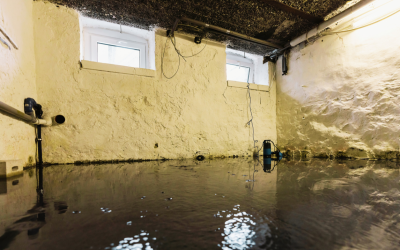
Once the external inspection is complete, move indoors to assess the interior condition. Look for signs of water intrusion, such as wet floors, walls, and ceilings. Water damage may cause mold growth and structural problems if not addressed promptly. Also, make sure to inspect any broken windows or doors that could compromise the security of your property.
Documenting the damage thoroughly is crucial for insurance purposes. Use your camera or smartphone to take clear photos or videos of all the damage, both inside and outside your home. Make sure to capture wide shots as well as close-ups to provide a full picture of the extent of the damage.
In addition to visual documentation, make a detailed list of all damaged items, including their age, purchase price, and estimated cost to repair or replace. This inventory will be invaluable when filing your insurance claim.
Finally, if your property is unsafe or if you’re unsure about the extent of the damage, think about hiring an expert to do a detailed evaluation assessment. Professional inspectors can identify hidden damage and provide a more detailed report, which can be extremely helpful for insurance claims and repair planning.
By assessing the damage carefully and methodically after a storm, you can ensure that you have a clear understanding of the impact and the necessary steps to take for recovery and repair.
Initiating Cleanup and Repairs After Storm Damage
Once you’ve checked the damage and got in touch with your insurance company, the next thing to do is to begin the cleanup and repair process. This phase is crucial for restoring your property and preventing further damage.
To begin cleaning up, start by getting rid of any debris and damaged stuff that you can handle safely. It’s essential to wear protective gears such as gloves, boots, and masks to keep yourself safe from getting injured or touching harmful chemicals. Organize the debris into different groups to make it easier to dispose of them. Separate hazardous materials like chemicals and electronics from natural waste like tree branches.
For water damage, immediate action is essential to prevent mold growth. Use pumps or wet-dry vacuums to remove standing water, and set up fans and dehumidifiers to dry out wet areas quickly. If carpets, furniture, or drywall become soaked, consider removing them to avoid mold and structural issues.
When it comes to repairs, prioritize those critical for your property’s safety and security. This might include fixing broken windows, patching holes in the roof, or securing doors. If you lack skills in home repairs, it’s advisable to hire professionals to ensure they complete the work correctly and safely.
For extensive repairs, it’s often necessary to work with contractors. When selecting a contractor, choose someone with experience in storm damage repair and a good reputation in your community. Get multiple estimates, check references, and verify their licensing and insurance before committing to a contract.
Throughout the cleanup and repair process, keep detailed records of the work done and the expenses incurred. This document is crucial for insurance reasons and for keeping your own records safe.
Beginning the cleanup and repairs following storm damage may feel like a daunting task, but by following a step-by-step method, you can handle it effectively. Prioritizing safety, acting quickly to prevent further damage, and choosing the right professionals for repairs are key steps in the recovery journey.
Dealing with storm damage after a disaster is challenging but manageable with the right approach. Prioritize safety, document the damage thoroughly, contact your insurance promptly, and approach the cleanup and repair process methodically. Remember, the key is to act swiftly but safely to restore your property and peace of mind.
To stay current with us, please follow our Facebook and Instagram pages.