 All Dry Services of the Bluegrass

 60 Min Response Time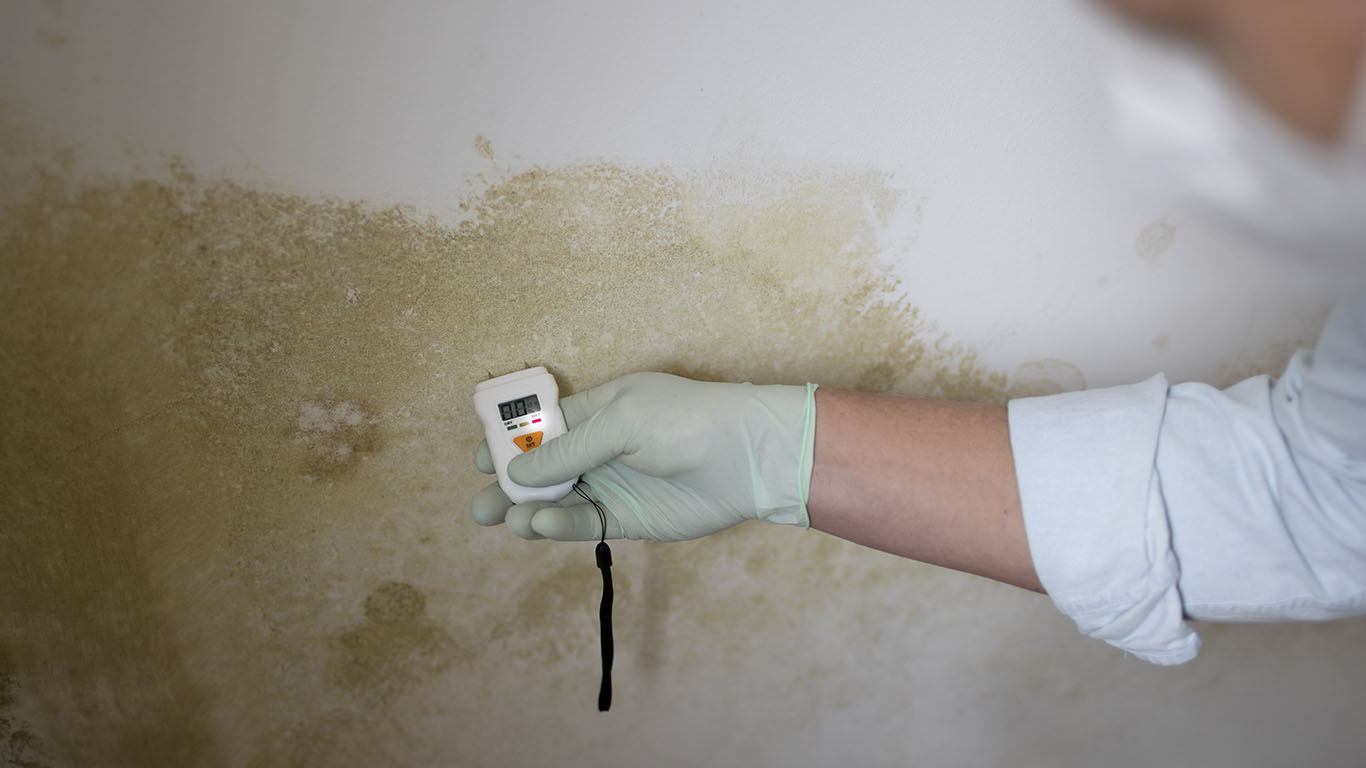
The Importance of Getting a Certified Mold Inspector
Mold in your home can be a big problem, affecting your house and health. This article explains why hiring a certified mold inspector is important. It covers how they find and test for mold, health risks, DIY versus professional testing, when to seek help, and how to deal with insurance and legal issues.
Choosing a Certified Mold Inspector
Mold in your home is an unsightly problem and a health hazard. That’s why finding the right professional to handle it is crucial. A trained, certified mold inspector has the ability to identify, assess, and suggest solutions for mold issues. These experts have specialized knowledge and tools, unlike a regular handyman or a DIY approach. They understand the science behind mold growth and how to tackle it safely and effectively.
When you choose a mold inspector, you ensure that the person assessing your home knows the latest methods and standards for mold inspection and removal. These professionals follow strict protocols to ensure they find all the mold, even in hidden places. They also advise you on preventing future mold problems, which can save you time, money, and health troubles down the line.
Understanding Mold Risks in Your Home
Mold can grow anywhere there’s moisture. Common places include leaks in roofs, windows, or pipes or where there’s been flooding. It can grow on various materials like paper, cardboard, ceiling tiles, and wood. Mold in the home can lead to various health problems, especially for those with allergies, asthma, or weakened immune systems.
Knowing the risk factors in your home is essential. High humidity, poor ventilation, and damp conditions are ideal for mold growth. Regularly checking these areas and maintaining your home can help prevent mold. However, sometimes mold grows unseen, inside walls or under floors. That’s when a professional inspection becomes vital to identify and address these hidden problems.
The Process of Professional Mold Inspection
When a mold inspector visits your home, they thoroughly examine it. They use tools like moisture meters and thermal imaging cameras to find wet spots where mold could grow. They also visually inspect your home, looking for mold growth and water damage signs. The inspector might take air and surface samples to test for mold spores, which can tell you if you have mold and what type and how much.
After the inspection, the inspector will give you a detailed report. This report includes where they found mold, the extent of the problem, and recommendations for removal and prevention. This information is crucial for making informed decisions about how to deal with the mold issue.
Health Implications of Untreated Mold
Mold isn’t just a cosmetic issue. It can have serious health implications, especially for people with respiratory issues, allergies, or weakened immune systems. Mold exposure can cause symptoms like sneezing, coughing, sore throats, itchy eyes, and skin rashes. In severe cases, it can lead to more serious respiratory problems.
Living in a home with untreated mold can lead to chronic health issues. That’s why addressing mold promptly and effectively is so important. A certified mold inspector can help identify the mold types in your home and their potential health risks, ensuring that the remediation process targets and eliminates these health hazards.
Differentiating Between DIY and Professional Mold Testing
You might think that testing for mold yourself can save money, but it’s not always effective. The limitations of DIY mold testing kits exist. They often only tell you if mold is present, not how much or what type. They might also miss mold in hidden areas. On the other hand, professional mold inspectors have advanced tools and techniques to detect mold accurately throughout your home. They also have to go through education and have certifications throughout the industry.
Professionals also understand different mold types and the best ways to remove them. Some molds are more harmful than others, and a professional can develop a removal plan tailored to the specific types found in your home. This process ensures we remove the mold and address the underlying issues causing it.
When to Call in the Experts
Knowing when to call in a professional mold inspector is key. Signs of mold infestation include visible mold growth, musty odors, water damage, and increased allergy symptoms. If you notice any of these signs, acting quickly is important.
Don’t wait for the problem to worsen. Mold spreads rapidly and can infiltrate areas of your home that are not immediately visible, like behind walls or under floors. An expert can assess the extent of the problem and recommend the appropriate course of action. They can also help identify the moisture source causing the mold, which is critical for preventing future growth.
Long-Term Benefits of Professional Mold Remediation
The benefits of professional mold remediation extend beyond just removing current mold growth. A certified mold inspector doesn’t just clean up the mold; they also provide strategies to prevent future growth. This includes fixing sources of moisture, improving ventilation, and recommending changes in your home to keep it mold-free.
Long-term, this approach saves you money and health risks. By addressing the root cause of mold and implementing preventive measures, you reduce the chance of mold returning. This means a healthier living environment and less likelihood of future mold-related expenses.
Navigating Insurance and Legal Aspects of Mold Issues
Dealing with mold can involve more than just remediation; there are often insurance and legal aspects to consider. A certified mold inspector can help navigate these complexities. They provide detailed reports that individuals can use for insurance claims or legal documentation. This is especially important if mold has caused significant damage or you’re dealing with a landlord or tenant situation.
Understanding your rights and responsibilities regarding mold in your home is crucial. An expert can guide you through the process, ensuring you have the necessary documentation for insurance claims and legal purposes. They can also advise on compliance with local health and safety regulations regarding mold removal.
You cannot overstate the importance of getting a certified mold inspector such as our All Dry Team. They provide expertise, thorough assessment, and long-term solutions for mold issues. By understanding the risks, recognizing the signs, and seeking professional help, you can ensure a safe and healthy living environment.
To stay up to date with us, please follow our Facebook and Instagram pages.