 All Dry Services of Miami

 24/7 Emergency Service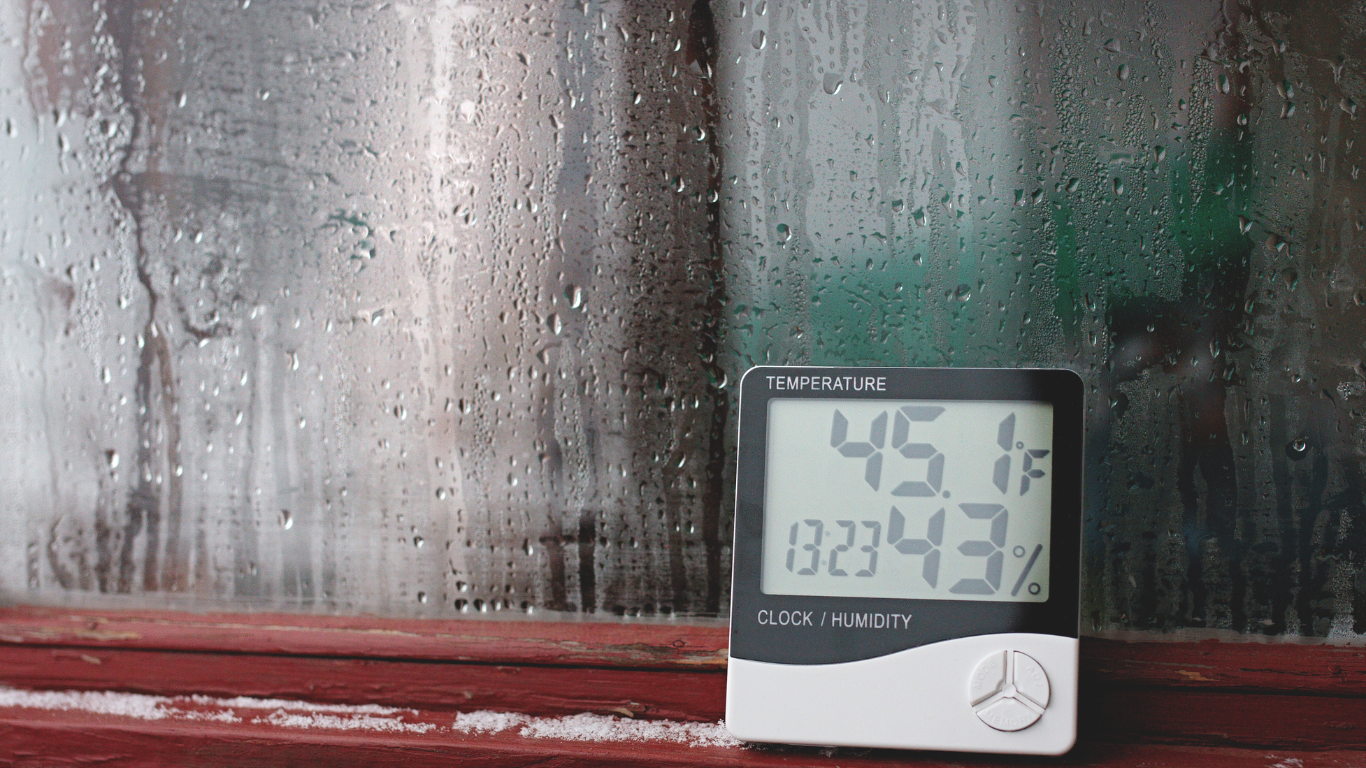
Florida Humidity and Indoor Mold Growth: What You Should Know
Florida certainly has an exceptional climate. Every day of life is soaked in sunshine, warm nights, and sea breezes. However, the same warm, humid air poses serious challenges in homes and factories. One of the most significant problems here is indoor mold growth, especially during the long, muggy months. If you ever encountered a musty odor after a summer rain or noticed dark spots moving along a wall, you are actually not alone.
All Dry Services of Miami devotes considerable time to educating homeowners and business owners about the causes of mold and ways to eliminate it. The article presents ideas in an understandable, practical manner, without employing scare tactics or sales pressure.
Why Florida’s Climate Encourages Indoor Mold Growth
Florida’s climate is consistently muggy and humid. The amount of moisture in the air is still significant even when there is no rain. Moisture is absorbed into indoor air from sources such as open doors, minor leaks, and routine activities like bathing or cooking. High humidity is a key factor that significantly increases the risk of mold growth indoors. The cooling system operates heavily during the hot season. If the system does not function well at removing moisture, the wet air would be trapped inside. This situation is good for the occupants but even better for the spores. Dampness from materials such as drywall, lumber, or carpets readily provides mold with what it needs to proliferate.
The Basics of How Mold Grows Indoors
Mold needs warmth, humidity, and a food source to grow. The climate in Florida is warm all year round. Common organic materials in homes and offices include paper, fabric, and wood. Humidity, leaks, or past water damage are the usual sources of moisture. The moment mold spores land on a wet surface, they may start to grow within 1 to 2 days. Hence, indoor mold growth may appear to come out of nowhere. It didn’t happen overnight, but it quickly reached a point where it became noticeable.
Common Types of Indoor Mold Found in Florida
Many kinds of mold are frequently found in buildings in the state of Florida. Aspergillus and Penicillium, for example, flourish in high-humidity areas like walls and air conditioning vents. Another fungus that grows on very wet surfaces and can cause other health problems is stachybotrys, also referred to as black mold. Every species of mold behaves a bit differently, but they all have one thing in common: they love humid environments. The mold variety is less important than the duration and extent of the contamination. Prompt action makes a huge difference.
How Indoor Mold Growth Can Affect Your Health
Mold can have different impacts on people, yet indoor mold growth can still be a problem in the long run. Asthma, allergy, or immune-compromised individuals are usually the first to experience symptoms. The others may initially feel okay and later on suffer from the issues.
Breathing Problems and Allergies
Mold spores are present in indoor air. The human respiratory system may react to their presence with coughing, a stuffy nose, or even breathlessness. Asthmatics frequently experience grave attacks in the dirty milieu, especially in poorly ventilated ones.
Skin and Eye Irritation
Direct contact with mold or spores can irritate the skin and eyes. Itchy skin, rashes, and red, watery eyes are symptoms often reported by patients. Damp areas, such as bathrooms and laundry rooms, are where these symptoms tend to worsen.
Headaches and Trouble Focusing
Headaches or mental confusion are among the complaints of some individuals who have been in contact with moldy areas. Even though not everyone experiences these symptoms, they still underscore the importance of treating indoor mold growth seriously.
Signs Mold May Be Growing Indoors
Mold may not always be immediately apparent. While some signs are obvious, others remain hidden for months.
What You Can See
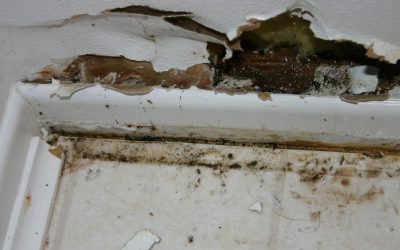
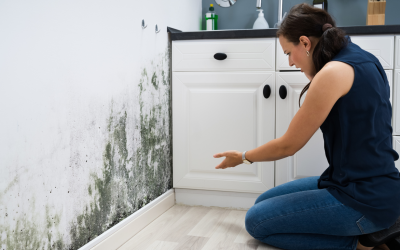
Discoloration on walls and ceilings is one of the most important signs of mold in your home. Different colors can be associated with mold, such as black, green, brown, and sometimes even white. Find moisture in the areas that are most likely to be affected: at the air vents, under the sinks, and around the windows.
What You Can Smell
A musty or earthy odor often signals mold, even if you can’t see it yet. This smell tends to linger and grow stronger in closed rooms or areas with poor airflow.
Past or Ongoing Moisture Issues
Water stains, paint bubbling, or distorted floorboards unmistakably indicate moisture problems. Indoor mold growth can still be encouraged by the leftover moisture, even if the leak has already been repaired.
Reducing the Risk of Mold in a Humid Environment
Florida living doesn’t mean mold problems are unavoidable. A few habits can lower the risk and help keep indoor spaces healthier.
Managing Indoor Humidity
It is advised to keep indoor humidity below 60 percent. In areas with high moisture levels, especially during the rainy season, dehumidifiers are highly beneficial. Properly functioning and well-maintained air conditioners also help maintain humidity at desired levels.
Improving Airflow
Good ventilation is necessary for bathrooms, kitchens, and laundry rooms. Exhaust fans should be used, and air should be allowed to move around the space. You might not know it, but stale, trapped air keeps moisture longer than you think.
Fixing Leaks Quickly
Leaks of any size are essential, and you should not ignore them. The materials could easily lose all their moisture if a window with poor sealing is left that way, or if a pipe has been leaking for a few weeks. Fast repair of the leaks will result in less moisture for the mold to grow on.
Choosing Materials Wisely
Moisture-resistant materials can be beneficial when remodeling, particularly in bathrooms and basements. These materials will not prevent mold entirely, but when moisture gets in, they will at least delay mold growth indoors.
When Professional Mold Help Makes Sense
The problems associated with mold can be challenging and inconvenient to address. A lot of mold, strong smells, or recurring mold indicate that the moisture problem persists. At All Dry Services of Miami, we take it upon ourselves not just to hide a problem area but to find out what really causes the trouble. Professional inspections can sometimes uncover mold between walls or under floors where it would otherwise go unnoticed.
Inspection and Removal
Professionals use tools designed to detect hidden moisture and mold. Safe removal methods prevent spores from spreading to other areas during cleanup.
Preventing Mold From Coming Back
Tackling moisture problems is the initial move in the process of successful mold removal. It could involve fixing leaks, making ventilation better, or controlling humidity. Indoor molds usually come back after the above-mentioned measures are not taken.
Staying Ahead of Mold Long Term
In Florida, one has to be wary of the humidity year-round. Regular maintenance and prompt repairs reduce the risk of mildew growth. Very ordinary practices, such as inspecting the place after heavy rains or using exhaust fans, can be highly effective. Mold indoors in such areas is common, but it does not necessarily have to become a big issue. With awareness of the problem, consistent maintenance, and proper support when needed, both homes and businesses can be kept cleaner and healthier, even in humid environments.
To stay current with us, please follow our Facebook and Instagram pages.