 All Dry Services of Miami

 24/7 Emergency Service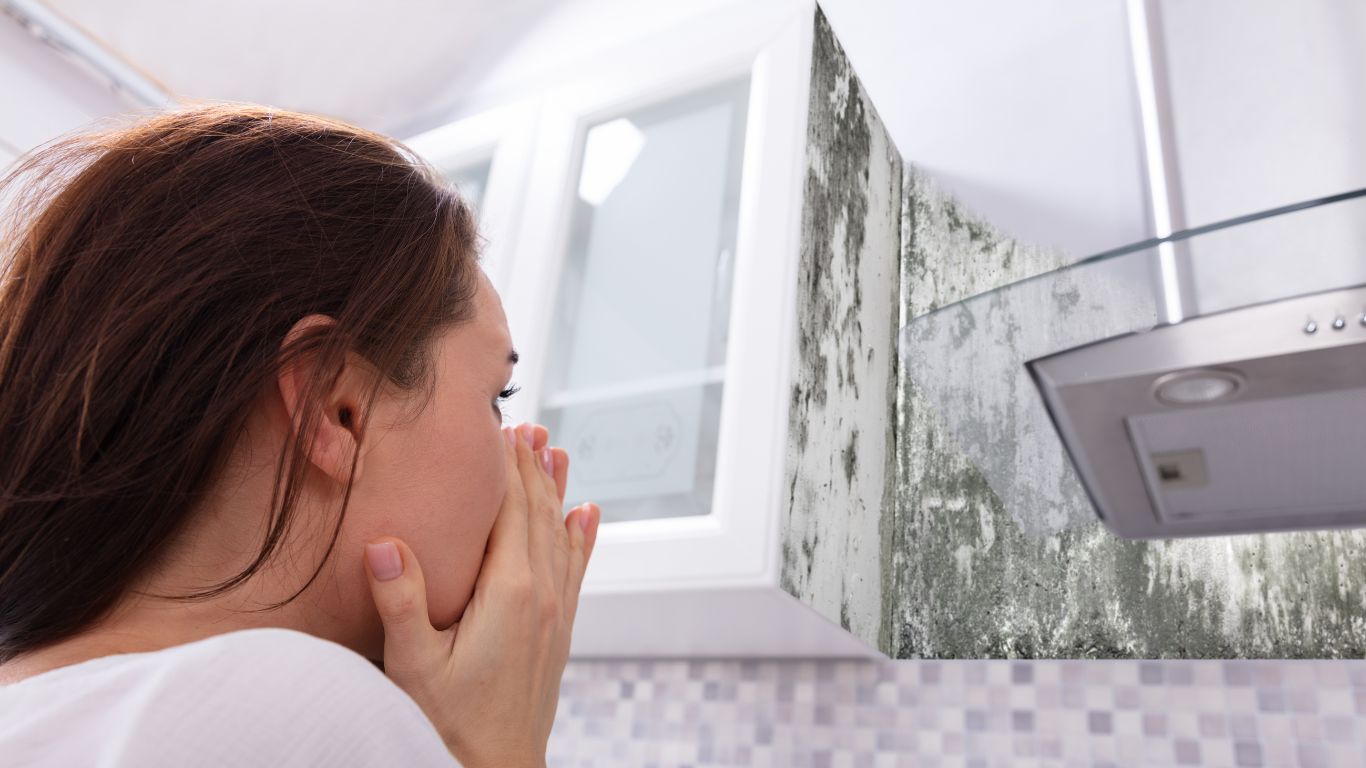
Mold vs. Mildew: How to Identify and Treat Fungal Growth in Your Miami Property
Did you ever smell something that was compared to a damp or decayed house, or did you see strange spots on your walls or ceilings? These may be signs of mold or mildew, which not only damage your property in Miami but also are a danger to one’s health. Knowing the difference is essential for choosing the proper treatment and prevention methods. Respiratory problems, allergies, and other health issues can be caused by mold, in particular. Nonetheless, how could one recognize if it is mildew or mold? Above all, what measures must be taken? Knowing this will facilitate the timely intervention of homeowners and businesses before the situation deteriorates.
At All Dry Services of Miami, we help you identify and treat mold and mildew on your property. Our experienced team provides guidance, takes swift action, and helps protect your space from future issues. Professional help is always available to restore your property with confidence.
What Is Mold and Mildew?
Damp places are ideal environments for the growth of both mold and mildew, but they differ in appearance and effects, so it is necessary to distinguish between them. Mold has a thick, fuzzy, or slimy appearance and is usually black, green, or blue; it can also, and relatively easily, ruin buildings and cause health problems. Mildew, on the other hand, develops as a thin, powdery layer in white or gray; it spreads widely and is really easy to get rid of. Knowing the species of the fungal problem in your home will help you take the right actions for treatment and prevention.
Where Do Mold and Mildew Grow in Miami Properties?
Miami’s warm, humid climate is ideal for mold and mildew. They thrive in damp, poorly ventilated spots. Common hotspots include:
- Bathrooms and showers: Steam and moisture create a perfect environment for mold and mildew growth.
- Kitchens: Water can accumulate under sinks and around leaky pipes.
- Windows and doors: Condensation from temperature changes encourages growth.
- Basements and attics: Poor ventilation and hidden leaks create damp environments.
- Walls and ceilings: Water from plumbing leaks or roof damage can become trapped.
Regular inspections and quick leak repairs help stop mold and mildew. Also, controlling humidity helps keep your property in good condition.
How to Differentiate Between Mold and Mildew?
Understanding the differences between mold and mildew can help you tackle fungal growth on your Miami property. Here’s how to identify them:
Appearance
Mold is a type of fungus that can appear in various forms, from thick and fuzzy to slimy, and often exhibits dark colors such as black, green, or blue. Mildew, on the other hand, is a type of fungus that is usually recognized by its flat, powdery, and mostly white or gray appearance. Mold penetrates the material while mildew stays on the surface. If you know these differences, it will be easier for you to spot and control the fungal growths in your Miami property.
Smell
The smell is a key indicator when identifying mold and mildew on your Miami property. Mold releases a strong, musty odor that spreads throughout a room, while mildew has a milder, earthy scent. A heavier, more persistent smell often signals mold.
Surface Damage
Dismissing surface damage can lead to mixing up mold and mildew in your area. Among a couple of differences, one is that mildew remains on the surface, while the other goes deeper, thus causing structural problems. If mold comes, you will have to deal with crumbling walls and floors. However, mildew can be controlled easily and won’t give you a big headache if you act swiftly.
Treating Mildew in Your Property
Mildew can be easily cleaned off, unlike mold, which can penetrate materials. Nevertheless, good management will be necessary to stop its spread or its return.
Wear Gloves and a Mask
Before you start cleaning mildew, put on gloves and a mask to protect yourself. Mildew is less harmful than mold, but its spores can still affect your health. That is especially true if you have allergies or asthma.
Clean with Vinegar or Hydrogen Peroxide
Mix vinegar or hydrogen peroxide with water in a spray bottle. Both of these natural cleaners are strong enough to kill mildew. Spray the solution directly on the mildew-covered surface and let it sit for a few minutes.
Scrub the Surface Gently
After spraying, use a soft brush or sponge to scrub the mildew off. Scrub gently to remove mildew without damaging the surface. Wipe away any leftover residue with a clean cloth.
Dry the Area Completely
Mildew loves moisture; it is advisable to thoroughly dry the surface where cleaning was done. A blower or open windows will create air movement, and also, mildew will not be able to grow back.
Treating Mold in Your Property
Mold is a rapidly growing fungus that not only destroys buildings but also worsens indoor air quality. To get rid of this fungus, one must be very careful and seek professional help, as mold treatment is both safe and effective.
Avoid Touching Mold Without Protection
Never clean mold without proper protection, as its spores can be dangerous if inhaled or touched. Always wear gloves, a mask, and goggles when dealing with mold. That will prevent spores from entering your lungs and coming into contact with your skin.
Block Off the Affected Area
If you want to stop mold growth, one way is to cover the affected area with plastic sheets or barriers. Also, make a point of turning off all fans and air conditioners to prevent spores from being blown elsewhere.
Get a Professional Mold Removal Service
Mold can get deep into walls and floors, so the best solution is to call a professional to remove it. All Dry Services of Miami uses state-of-the-art equipment and hands-on methods to eliminate mold permanently and ensure it does not return. A DIY approach may lead to the creation of more spores, which might infect the area.
Preventing Mold and Mildew in Miami Properties
The moist environment in Miami is very conducive to mold and mildew growth. Still, if you keep your property dry and well-ventilated, the risk of these fungi developing there will be reduced. Using dehumidifiers is a good way to ensure that your indoor environment remains healthy. Air circulation in the kitchens and bathrooms can be improved. Moreover, frequent cleaning is required.
Use Dehumidifiers
By removing excess moisture from the air, a dehumidifier helps inhibit mold and mildew growth. It is beneficial in wet areas, such as basements and bathrooms.
Ventilate Bathrooms and Kitchens
Steam builds up quickly in these spaces. Turn on exhaust fans or open windows while cooking or showering to reduce moisture and improve airflow.
Clean Regularly
Daily household chores will include cleaning, particularly in the house’s moist areas, such as bathrooms, kitchens, and laundry rooms. Mildew formation can be kept at bay by regularly wiping the surfaces.
Professional Mold and Mildew Remediation in Miami
Acting quickly to address mold and mildew not only protects your home but also your health. Knowing how to distinguish them enables you to apply the proper measure before the problem develops.
Affordable mold remediation is what All Dry Services of Miami promises, from the inspection stage to the final cleanup. With up-to-date equipment, our employees will not only remove the mold but also prevent the damage from spreading. Reach out to us today and get quick, thorough service!
To stay current with us, please follow our Facebook and Instagram pages.