 All Dry Services of Miami

 24/7 Emergency Service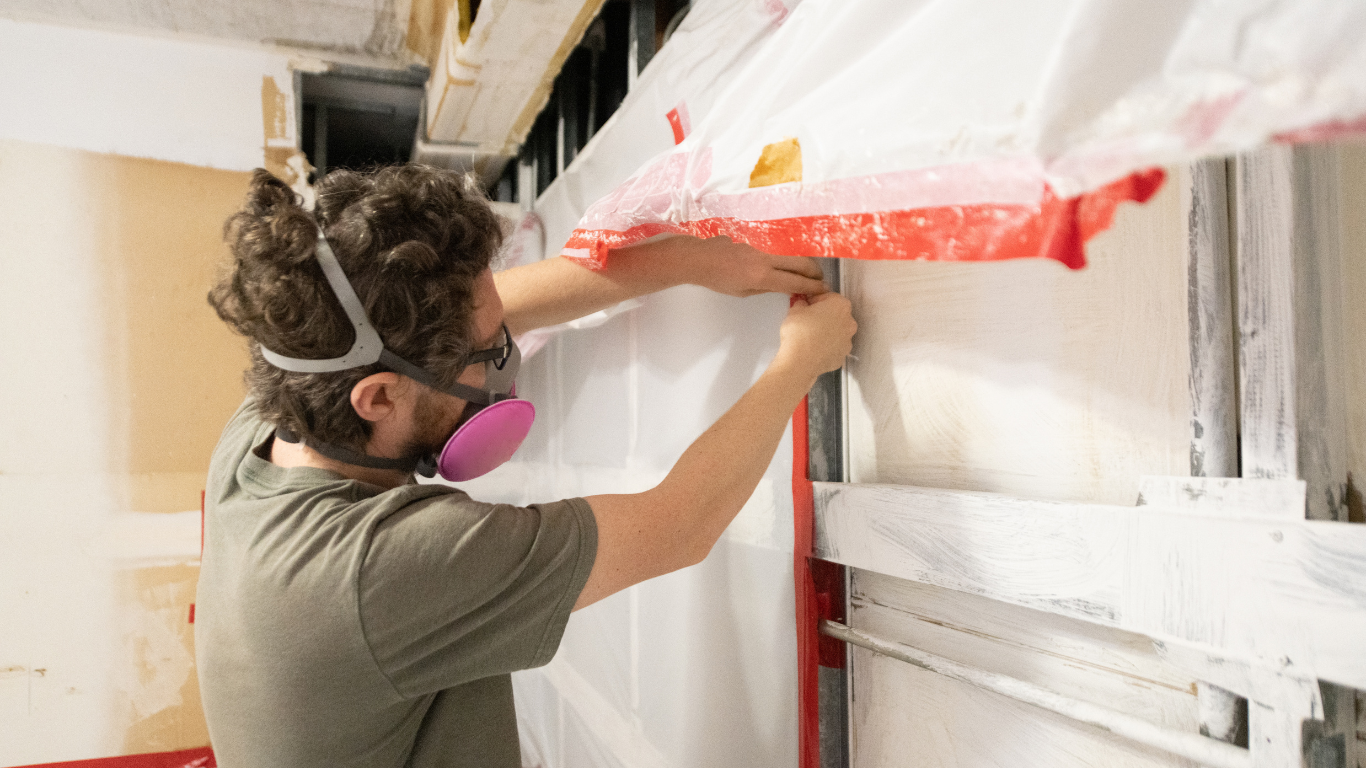
Mold Remediation Guidelines: What You Need To Know
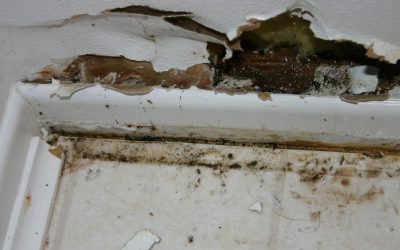
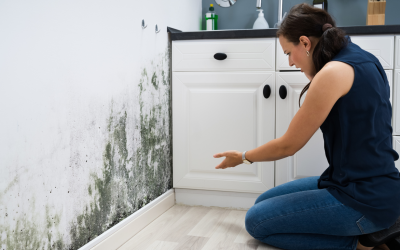
Seeing mold at your place for the first time can make you want to grab a cloth and some cleaner to scrub until the stain disappears. The issue is that mold is frequently more extensive than what is visible. This is the point where the mold remediation standards become relevant. These standards provide a safe method for mold removal, health protection, and a future prevention plan. Every day, we at All Dry Services of Miami follow these steps, which we will kindly explain to you in an easy, practical way.
Mold not only harms the appearance of your home but can also irritate your lungs, trigger allergies, and slowly damage wood, drywall, and insulation. When you understand mold remediation guidelines and how they work, you gain the power to make better decisions about cleanup. You also know when a minor issue can be fixed with a simple fix and when you need a professional team to step in and help.
Why Mold Remediation Guidelines Matter
Mold remediation guidelines keep you from guessing. Applying random cleansers or hastily devised solutions is not what you are doing; instead, you are sticking to a methodical approach that encompasses the entire issue. The guidelines have three main points. Initially, you detect and eliminate the humidity source. Afterwards, you apply a removal method that safeguards the rest of the structure. Lastly, you implement measures to prevent mold from returning to the same place.
All Dry Services of Miami implements this kind of systematic methodology for every mold job. We do not merely follow the stains on the walls. We search for leaks, high moisture levels, and hidden wet areas that allowed mold to grow in the first place. The reason is that mold remediation guidelines, focusing on causes rather than just symptoms, prove to be a long-term solution to your health and property protection.
How Guidelines Protect Health And Indoor Air
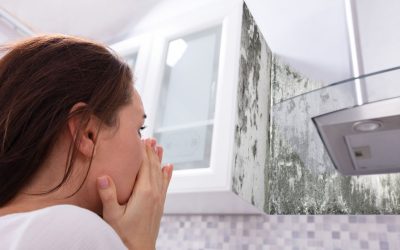
Mold spores float in the air and settle on surfaces, and your body reacts to them in different ways. Some people sneeze and sniffle, while others feel tightness in the chest or headaches that do not go away. Mold remediation guidelines focus on more than wiping visible growth. They also cover how to control dust, use HEPA filtration, and remove airborne spores during cleanup.
By following these steps, you reduce the number of spores in your home or business. This translates to fewer asthma triggers, fewer allergies, and less discomfort for people with delicate immune systems. All Dry Services of Miami has found that families experience the difference in our quality remediation projects. The whole family can enjoy cleaner air.
Key Steps Inside Mold Remediation Guidelines
Mold removal guidelines are pretty similar in their main steps, though the precise details may vary depending on the specific job.
The very first thing is to inspect the area. A qualified technician inspects the area for mold by sight, checks common problem areas, and uses instruments such as moisture meters and thermal cameras to detect wet areas behind walls or under floors. The first move not only reduces the time and labor required but also creates the opportunity for a carefully considered plan rather than a foolish, random guess.
The following action is to contain the situation. It is essential to prevent mold spores from circulating to the cleaned areas throughout the process. Definitely, all entrances must be sealed, openings must be plastic-covered, and negative-pressure ventilation should be employed at the site. Negative-pressure devices filter air through HEPA filters, thereby drastically reducing the risk of spores migrating to other rooms or corridors. Containment may seem like a lot of setup, but it is an absolutely important factor in effectively removing mold.
Safety Gear, Removal, And Proper Disposal
Mold cleanup brings you close to particles you do not want in your eyes, lungs, or on your skin. That is why mold remediation guidelines stress the use of proper safety gear. This usually includes a respirator, gloves, goggles, and protective clothing. This gear helps protect the person doing the work and keeps spores from hitching a ride to other parts of the building.
Actual removal depends on how serious the mold problem appears to be. If the hard surface is small, a little cleaning and careful scrubbing may do the trick. For larger or long-term growth, you will need to remove porous materials such as drywall, carpeting, or insulation, as they may harbor spores deep within. The team then places these materials in heavy-duty plastic and disposes of them in accordance with local rules. All Dry Services of Miami treats this step with care because proper removal and disposal cut off a significant path for mold to return.
After removal, drying and dehumidification come next. Fans and dehumidifiers help pull moisture out of the air and materials. At the same time, you fix leaks, drainage problems, or other moisture sources. Mold remediation guidelines always link cleanup to moisture control, because you cannot keep mold away if damp spots remain.
Checking The Results And Preventing Future Mold
Cleaning and drying, you might think, would be the end of the good mold remediation guidelines. Not at all, post-remediation verification is still part of the guidelines.
This stage entails a meticulous visual inspection and, sometimes, air or surface testing to confirm that the team has removed the visible mold and that moisture levels are safe. The crew can resolve any suspicious spots before declaring the project finished.
What follows is prevention. You can reduce humidity on your property using either air conditioners or dehumidifiers.
You can also improve airflow in bathrooms, kitchens, laundry rooms, and basements to prevent steam from clinging to surfaces. Moreover, you will repair any roof leaks, window leaks, and plumbing problems as soon as you discover them.
If you are going through the hassle of remodeling, you may also pick mold-resistant drywall, insulation, and paint. Just like taking medicines, the tips All Dry Services of Miami shares with its customers are easy to follow and maintain, thereby promoting a healthier environment long after our service is over.
How All Dry Services Of Miami Applies Mold Remediation Guidelines
Our team at All Dry Services of Miami uses mold remediation guidelines as a blueprint for every project. Initially, we conduct a thorough examination, implement appropriate containment measures, wear safety clothing, and use professional-grade equipment. Afterward, we remove mold, dry the area, and clean and disinfect the surfaces. At last, we review our work, discuss what we discovered, and give you steps you can take to prevent future problems.
We know mold problems feel stressful, especially when you worry about your family’s health or business operations. Our goal is not to scare you. We want to give you clear, honest information and a practical plan that fits your real life. When you understand how mold remediation guidelines work, you can face mold concerns with more confidence and less confusion.
Why Understanding Mold Remediation Guidelines Gives You Peace Of Mind
Mold can turn a small corner of your home into a big worry very quickly. When you know the basics of mold remediation guidelines, you do not have to rely on guesswork or quick fixes. You know that proper cleanup includes finding moisture, containing the area, removing mold safely, and keeping it from coming back.
If you have doubts about mold, do not ignore the signs; search for the moisture source. After that, evaluate whether the situation is suitable for a small DIY job or requires a professional intervention. All Dry Services of Miami is prepared to comply with stringent mold remediation regulations and assist you throughout the process. By using the correct method, you will be able to safeguard your property, your health, and your tranquility.
To stay current with us, please follow our Facebook and Instagram pages.