 All Dry Services of Miami

 24/7 Emergency Service
Hurricane Season and Mold: Protecting Your Home from Post Storm Infestation
For people who reside near the coast, hurricane season is probably an annual concern that they think about for months. The house could be drenched and worried because of the strong winds, heavy rain, and flooded roads; this would be precisely when the post-storm infestation would start to sneak in. If water stays in the house, mold can take hold in the walls, floors, and furniture, turning a storm disaster into a long-lasting issue. We at All Dry Services of Miami witness how quickly this happens and want to make sure you are always a step ahead.
Mold does not just look bad. It affects the way your home smells, how your family feels, and even how well your structure holds up over time. After a big storm, warm, humid indoor air becomes the perfect place for mold to grow. If you understand how a post-storm infestation starts and what to do in the first 24 to 48 hours, you give your home a much better chance to bounce back. Our team supports homeowners across the Miami area and other nearby communities with water damage restoration and mold remediation that fits real life.
How Hurricanes Turn Moisture Into Mold Problems
Water will pass through the hurricane as a molten mass, looking for every possible outlet. It will creep in under doors, leak through roofs, circulate windows, and even come up through the flooring if the flooding reaches that high. Tick-tock, that water is inside, and the clock is counting down. Molds are present in the air all the time; they only need a surface to be damp. If you have ignored wet carpets, soggy drywall, or soaked cabinets, a post-storm infestation can take place in just one day. All Dry Services of Miami frequently finds itself in houses where the storm is long gone, but the air is still heavy and smells bad. This odor is commonly an indicator that moisture has been trapped behind walls or under flooring. The process of mould growth can ruin building materials, leave discolored areas, and cause allergy-like symptoms in the inhabitants. On the other hand, it is possible to prevent and solve many of these problems if one considers every hurricane as a moisture-control challenge, not just a wind event.
Why Moisture Control Matters After Every Storm
The management of moisture may appear simple, but its effects are very significant. By rapidly drying your house, the risk of mold growth is greatly reduced. Using fans and dehumidifiers, opening windows for fresh air on dry days, and promptly removing wet items all help reduce storm-related infestation risks. In each case we attend, we first secure potable water and later focus on drying the structure, as this protects air quality and the long-term health of the house.
Spotting the Early Signs of Post Storm Infestation
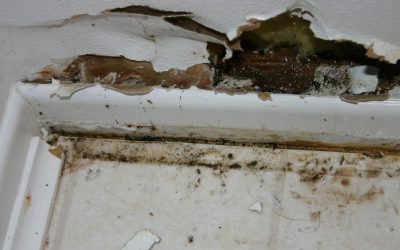
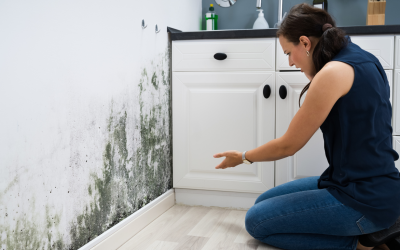
A lot of the time, the first sign of mold in the owner’s house is the appearance of small black, green, or white spots on the walls, ceilings, or at the base of the walls. Occasionally, it goes unnoticed because it is behind the furniture or in the wardrobe that has been closed all along, while the rest of the house has been getting ventilated. If you encounter areas that appear to grow larger or darken over time, it could be a post-storm food source for microorganisms that quietly began increasing and are now gaining momentum.
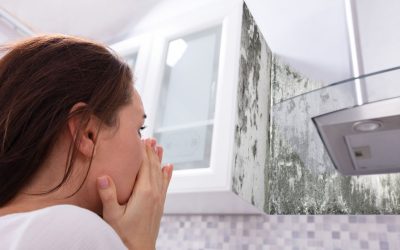
Your nose also gives you valuable clues. A steady musty, damp smell tells you that moisture and mold may be hanging around, even if you do not see it yet. Some family members might notice more coughing, sneezing, or stuffy noses, especially if they have asthma or allergies. At All Dry Services of Miami, we frequently hear from customers saying, “The storm was weeks ago, but there is still a weird odor in my house.” That impression is a powerful indication to investigate further and get assistance.
What Mold Looks and Feels Like Indoors
Mold is not always visible as large fuzzy patches like in the online pictures. Mold can appear as small dots, lines, or dark patches that could be mistaken for dirt. The walls may feel moist or tender if you touch them lightly. The paint may flake or even peel off completely, and the floor may sag. Consider the changes you notice right after the hurricane as possible indications of a post-storm infestation, rather than merely cosmetic damage, if they align with the above.
Getting Your Home Ready Before the Storm Hits
If you put in the effort beforehand, you might get hurricane-proofed, but you still have to deal with the water that has already gotten inside. Seasoned experts recommend checking for and fixing leaks before the storm season begins. You should first have your roof inspected for missing shingles, check for cracks around windows and doors, and ensure the exterior caulking is still tight. Doing repairs now, even if they are small, can prevent you from having to deal with significant mold problems later. Gutters and downspouts have to be cleaned as well. It is when they are in a good place that they can effectively channel rainwater away from your foundations, rather than allowing it to accumulate around the house.
If your home is in a low area, you might want to consider using small barriers, sandbags, or other measures to divert shallow floodwater around your property. All Dry Services of Miami considers this process home stormproofing not only against broken glass but also against post-storm infestation, which is why it encourages homeowners to do so.
Simple Prep Steps That Make a Big Difference
Inside the house, move essential items off the floor in rooms that might flood. Paperwork, electronics, and sentimental items should be kept on higher shelves or in watertight containers. Be aware of the location of your main water shutoff valve so that it can be turned off in the event of a pipe break during a storm. These simple measures will help control the damage and speed up cleanup if water does get in.
What To Do Right After a Hurricane
Once it is safe to re-enter your neighborhood, try to check your home as soon as you can. Start by looking for standing water and obvious leaks. Use mops, towels, and wet vacuums to pull up as much water as possible. If power is on and safe to use, turn on fans and dehumidifiers to start drying the air and surfaces. The faster you reduce moisture, the harder it is for a post-storm infestation to take hold.
Never forget to consider the hidden places. Look at the places where the water could have gone. The sinks, appliances, closets, and areas beneath the walls should all be checked. If, after one or two days, you find a place still damp or cold, it indicates moisture is trapped there. This is the stage where the experts are needed: the high-tech drying machines can reach places that only super ventilators can. All Dry Services of Miami has moisture meters and thermal imaging equipment to detect water you may never see with the naked eye.
A Practical Drying Game Plan
Think of your drying plan in simple steps. First, find the water source; it can be sealing a window, covering a roof, or closing a broken pipe. Then, take away things which you can, for example, carpets that remain wet, boxes that are soaked, or furniture that is damaged. Afterwards, dry what is left with a concentrated airflow and dehumidifiers. Lastly, observe the areas for a week, as some indications of post-storm infestation are very gradual in appearance.
Why Professional Mold Remediation Helps You Recover Faster
Small mold spots can be cleaned with basic household methods, but larger problems require professional support. Professional mold remediation teams use protective gear, containment barriers, and specialized filtration to keep mold from spreading while they work. They also track down the root moisture issues that started the post-storm infestation in the first place, so it does not come back once everything looks clean.
All Dry Services of Miami combines flood damage repair and mildew removal, so your home improves on both fronts. We assist with insurance damage documentation, make a straightforward action plan, and carry out restoration of the impacted areas with utmost safety. We aim to restore your worry-free living in the house, not make you anxious every time it rains.
How All Dry Services of Miami Supports Your Next Storm Season
Hurricane season will always bring some level of risk, but you do not have to face it alone. With proper prep, a quick response after the storm, and professional help when you need it, you can reduce the risk of a severe post-storm infestation and protect your family’s health. If you ever feel unsure about what you are seeing or smelling in your home after a storm, reach out, ask questions, and let a trusted team walk you through your next steps.
To stay current with us, please follow our Facebook and Instagram pages.