 All Dry Services of Greater Charlotte

 1-Hour Response Time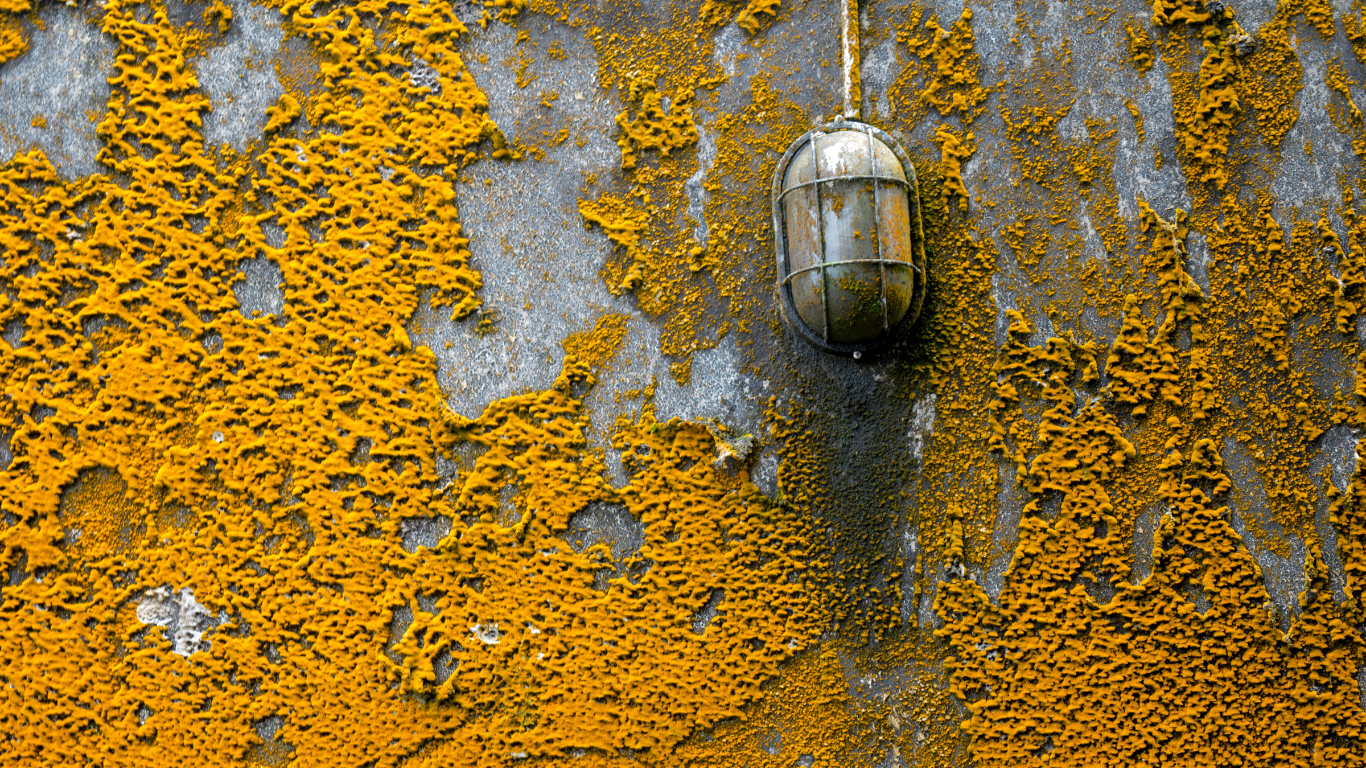
Understanding Mold Hues: A Guide to Orange, Black, and Red Varieties
Mold is one of those problems that creep up when you least expect it. You might spot a dark patch near your baseboards or notice a slimy film in the shower and wonder, Is this dangerous? The color of mold can give you some early clues about what you’re dealing with, but it doesn’t always tell the whole story.
Here in the Bluegrass region, we see our fair share of mold thanks to high humidity, heavy rains, and older homes with tucked-away damp spots. Whether you’re in Lexington, Shelby County, or Franklin County, knowing how to interpret different mold hues can help you decide when to clean it up yourself and when to call the pros at All Dry Bluegrass.
Why Mold Comes in Different Colors
Not all mold is black, and not all black mold is toxic. The color you see on your wall or ceiling depends on what the mold is feeding on, how much moisture is present, the type of surface, and even how old the mold colony is.
Some mold hues mean more than others. For example, certain dark molds are linked to more serious health effects, while others are just an eyesore. Still, any mold—no matter the color—can spread quickly and damage your home if you ignore it.
Black Mold – What You Need to Know
When most folks hear “black mold,” they immediately think of danger—and they’re not wrong. Stachybotrys chartarum, one of the more well-known black molds, loves damp areas for long periods. Think wet drywall, soaked carpet padding, or that leak behind the washing machine that no one has noticed for weeks.
Black mold often grows in basements, bathrooms, and anywhere with poor ventilation. If you spot it, don’t wait too long to act. While not all black-colored mold is toxic, some types can release spores that lead to headaches, breathing problems, or skin irritation, especially for kids, older adults, or people with asthma.
If you think you’ve got black mold in your home, contact a professional like All Dry Bluegrass. We’ve helped families all over the region safely remove mold and repair the damage it causes.
Orange Mold – Often Overlooked, but Still Unpleasant
Have you ever opened the cabinet under your sink and noticed rust-colored slime on the wood or pipes? That could be orange mold. It thrives in moist, dark places and usually looks wet or gelatinous—almost like a film or goo.
Orange mold isn’t usually toxic, but it’s gross. Left unchecked, it can stain wood, break down surfaces, and attract other pests. You’ll often find it on shower curtains, kitchen walls near sinks, and outdoor areas like wood decks.
The best way to deal with orange mold is to keep things dry. Fix leaky faucets, wipe down damp areas, and use a bathroom fan. But if the problem keeps coming back or the area’s too big to handle, it might be time to call in the mold remediation team at All Dry Bluegrass.
Red Mold – The Confusing One
Red mold is one of those mold hues that’s often mistaken for something else. It could be Serratia marcescens, which shows up as a pinkish-red film in bathrooms and around toilets, or another type of red-tinged fungus.
This type of mold likes to live in wet, warm environments, such as shower grout, bathtub corners, and humidifiers. While it doesn’t usually cause serious harm, it can irritate your skin or lungs if exposed to it for too long.
Red mold can also be a sign of a bigger moisture issue. If it keeps showing up no matter how often you clean, it might be time to check your home’s ventilation or plumbing for hidden leaks. We can help you track down the source and get it under control.
What to Do When You Spot Mold – Regardless of Color
It doesn’t matter if it’s black, orange, red, or some combination of all three. If you see mold, deal with it sooner rather than later.
Start by identifying the source of the moisture. Is there a leak? Poor ventilation? A clogged drain nearby? Dry the area out and clean small patches with soap and water (or a mold-specific cleaner).
But it’s a good idea to call experts for anything larger than a few square feet—or if you’re unsure of the type. At All Dry Bluegrass, we don’t just clean up the surface. We inspect, test, treat, and help you prevent it from coming back.
Our team serves Greater Lexington, Franklin County, Shelby County, and nearby communities. We know how mold behaves in this region and what it takes to get rid of it for good.
Spot Color? Take Action Sooner Than Later
When it comes to mold hues, color can give you a few hints, but it’s not the full story. Black might be toxic, red could be irritating, and orange is just plain gross—but they all share one thing: they don’t belong in your home.
If you see something growing, don’t ignore it. Dry it out, clean what you can, and call All Dry Bluegrass if it’s beyond a simple fix. Mold spreads fast—but you can stop it faster.
To stay current with us, please follow our Facebook and Instagram pages.