 All Dry Services of Greater Charlotte

 1-Hour Response Time
5 Tips for Successful Mold Inspections
Mold inspections are vital for maintaining a healthy living environment. They can reveal hidden mold growths that could potentially cause health issues and property damage. Here are the five tips for successful mold inspections.
Understand the Scope of Inspection
Understanding the scope of mold inspections is essential. It helps with preparation and managing expectations. A comprehensive inspection goes beyond merely identifying visible mold patches on surfaces. It’s an investigative process to uncover hidden mold growth. Mold often lurks in less obvious places, such as behind drywall, carpeting, and inside HVAC systems. The purpose of understanding the inspection’s scope is to ensure a full property check. Mold can reside in any area where moisture accumulates. It’s often unnoticed until significant damage occurs. For instance, a small leak in a pipe inside a wall can foster an ideal environment for mold growth out of sight. A practical inspection will consider such potential hidden problems. It uses tools like moisture meters and thermal cameras. These tools detect issues without needing to dismantle structures. Being aware of the inspection’s scope also helps in logistical preparations. This includes ensuring access to potentially affected areas and being ready for the inspector to thoroughly assess your property’s inside and outside. This understanding facilitates a more accurate and effective inspection, ultimately leading to better identification and resolution of mold issues.
Choose the Right Professional
Selecting the right professional for the inspection is critical. It ensures that the process is thorough and effective. The inspector’s qualifications and experience play a pivotal role. They help identify both visible and hidden mold issues accurately. A qualified mold inspector should have a certification from a reputable organization. This certification shows they have had the training and follow industry standards. When choosing a professional, looking into their background and experience is essential. An experienced inspector will have a track record of successful mold inspections. They should be able to provide references or case studies and be transparent about their process. This includes their technologies, such as infrared cameras or digital moisture meters. These tools are essential for detecting mold beyond surface-level inspections. The right professional should excel at detecting mold and guiding how to address mold problems. This includes explaining the potential health risks associated with mold exposure and suggesting remediation steps. It’s important to choose someone who communicates clearly. They should provide detailed reports that explain the findings and recommend actions. Finally, you should consider the inspector’s reputation in the community and online reviews. Good reviews from previous clients can be a strong indicator of reliability and quality of service. It is important to take the time to select a reputable and experienced mold professional inspector. It ensures a more effective inspection process.
Address Moisture Sources
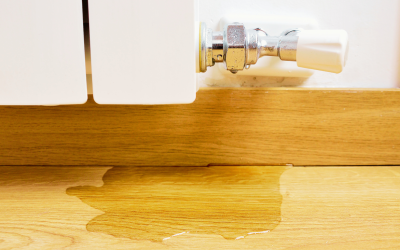
Addressing moisture sources is a fundamental aspect of mold prevention. It’s an essential step before conducting the inspection. Moisture is the lifeblood of mold; without it, mold cannot grow. Identifying and rectifying any sources of excess moisture in your property is crucial. This helps prevent mold proliferation. Start by inspecting common problem areas, such as bathrooms, kitchens, basements, and windows or pipes. Look for signs of water damage, such as stains, peeling paint, or warped materials. Promptly repair leaks from plumbing, roofs, or windows to prevent moisture accumulation. Humidity control is another important aspect of moisture management. High indoor humidity can create condensation and an ideal environment for mold growth. To regulate humidity levels, use dehumidifiers, air conditioners, or exhaust fans. This is especially important in high-moisture areas. Proper ventilation is also important in preventing moisture buildup. Ensure that attics and crawl spaces have adequate airflow to reduce humidity. During the inspection, professionals can help identify less obvious moisture sources. They use specialized equipment like hygrometers or thermal imaging cameras for this purpose. Addressing moisture sources makes the inspection more effective. Reducing the risk of mold growth also contributes to a healthier indoor environment.
Prepare Your Space
Preparing your space is vital to ensuring that the inspection is comprehensive and successful. This preparation involves making all areas of your property accessible and free of obstructions that could hide mold growth or hinder inspection. Start by clearing any furniture, rugs, or personal belongings against walls or covering floor areas. Mold often thrives in hidden spots, such as areas behind furniture or underneath carpeting, where it remains undisturbed. Moving these items allows the inspector to examine these potential mold havens thoroughly. Organization is vital in areas like basements, attics, or storage rooms. Remove clutter and ensure a clear path for the inspector to navigate. This makes the inspection more efficient and reduces the risk of overlooking mold-infested areas. Ensure that all ventilation systems are accessible. This includes air conditioning and heating units. These can be common sites for mold growth due to condensation and dust accumulation. Also, check that utility rooms and closets are easily accessible. These confined spaces are often overlooked yet prone to mold growth. Preparing your space for the mold inspections facilitates a thorough examination, demonstrates your commitment to resolving potential mold issues, sets the stage for a successful inspection, and ultimately contributes to a healthier living or working environment.
Follow Up on Recommendations
After the inspection, following up on the inspector’s recommendations is crucial. It helps effectively address mold issues and prevents future growth. Typically, the inspector will provide a detailed report that outlines the findings. This includes the locations of mold growth, the problem’s severity, and suggestions for remediation. Acting promptly on these recommendations is vital. If the report suggests professional mold remediation, schedule it as soon as possible. Delaying can allow the mold to spread, leading to increased damage and higher removal costs. Choose a reputable remediation company. They follow industry standards to ensure the mold is appropriately and safely removed. In cases where the inspection finds moisture problems, like leaks or high humidity, fixing these issues is also vital. It helps prevent mold from returning. This may involve repairing plumbing or improving ventilation. It may also include using dehumidifiers to control indoor humidity levels. Regular follow-up mold inspections after remediation can check that the mold removal was thorough and ensure that preventive measures are working. Monitoring the previously affected areas is essential. Maintaining good practices, including proper ventilation and moisture control, is also essential. It helps keep your environment free of mold. Following up on mold inspection recommendations is not just about resolving current issues. It’s about taking proactive steps to maintain a healthy and safe environment over the long term. To stay updated with us, please follow our Facebook and Instagram pages.