 All Dry Services of Greater Charlotte

 1-Hour Response Time
How to Deal with a Massive Storm Damage in Your House
Experiencing a storm can be overwhelming, especially when it leaves significant damage to your home. Here’s how you can navigate through the chaos and start the recovery process effectively.
Assess the Situation
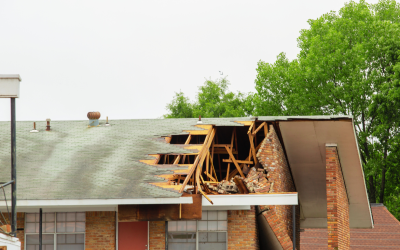
When a storm subsides, your first step is to carefully assess the extent of the storm damage to your house. Focus on safety; watch for severe damage, like cracked foundations, collapsed roofs, or broken beams. If there are concerns about structural integrity, do not enter affected areas to avoid risking personal safety.
Electrical safety is paramount. Inspect for exposed wires, damaged electrical panels, and water near electrical outlets. If you detect electrical hazards or gas smells, leave and call emergency services.
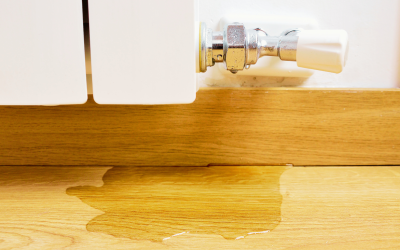
Water damage can be deceptive; it’s not always immediately visible. Check for water intrusion in basements, crawl spaces, and near windows. Extended moisture weakens materials and grows mold, risking health if not dealt with promptly.
Once it’s safe, document the damage meticulously. Use your smartphone or camera to take comprehensive photos and videos from multiple angles. This visual record is crucial for insurance claims, particularly detailing belongings’ condition.
Engaging with local authorities and emergency services can also provide guidance on how to proceed safely. They can offer immediate support and advice on whether it’s safe to stay in your home or if you need to seek temporary housing. Understanding damage extent and securing property is crucial for effective storm recovery.
Clean Up Safely
After a storm wreaks havoc on your home, cleaning up is a critical next step. However, approaching this task cautiously is essential to ensure safety and prevent additional damage. Start with protective gear such as gloves, boots, long sleeves, and pants to guard against hazards.
Before you start cleaning, inspect your home for structural safety. Be wary of weakened floors and walls that could collapse. If water is present, turn off the electricity to avoid electrical hazards. Use battery-powered lights to navigate through dark areas safely.
Start by removing water-damaged items and materials like carpets, furniture, and drywall. These items can harbor mold if they remain wet for too long. It’s crucial to sort out what we can salvage and what we need to discard. If items get soaked but are salvageable, you should immediately dry and clean them properly.
Ventilation is key in speeding up the drying process and reducing humidity levels, which in turn helps prevent mold growth. Open windows and use fans to circulate air if the weather permits, and it’s safe to do so. If there’s extensive water damage, consider hiring professionals to thoroughly clean and dry it.
Collect and dispose of storm debris, including broken glass and sharp objects, to prevent injuries. Be careful of hazardous materials in older homes, such as asbestos or lead paint. Get professional help to remove and dispose of them safely.
Cleaning up safely after storm damage requires a systematic approach to protect your health and home. Prioritize safety, assess each step carefully, and seek professional help when necessary.
Begin Repairs
Once you’ve assessed the damage and cleaned up your property, the next critical phase is beginning the repairs to restore your home. Start by prioritizing repairs based on urgency and safety. Focus on structural damage like compromised walls, roofs, or foundations, which are crucial for home safety.
Hiring the right professionals is key to effective and safe repairs. Research local contractors with experience in storm damage restoration. Check their credentials, insurance, and references. This will make sure they are reputable and able to handle the specific types of damage your home has suffered. Avoid rushing into agreements with contractors. They appear right after a storm without proper vetting, which is a common scenario for scams.
Obtain detailed estimates from several contractors before making a decision. These estimates should include a thorough breakdown of the costs, the scope of work, and the timeline for the repairs. This comparison helps you decide and negotiate with your insurance company for coverage.
During the repair process, maintain open communication with the contractors. Regular updates will assist you in monitoring progress and ensuring that the work adheres to the agreed terms. If possible, be present on-site to oversee the progress and promptly address any issues.
The repair phase is not only about fixing what’s broken but also an opportunity to improve your home’s resilience to future storms. Consider stronger roofing, flood barriers, or improved drainage to reduce storm damage risks.
Prepare for Future Storms
After immediate storm damage repairs, it’s crucial to prepare for future weather events. Implementing proactive measures can significantly diminish the risk of home damage and ensure your family’s safety.
Start by evaluating your home’s vulnerabilities. If the storm revealed weaknesses, improve resilience with storm shutters or impact-resistant windows. Upgrading roofing materials and securing loose items can also minimize potential damage.
Regular maintenance is key to storm preparedness. Ensure gutters, downspouts, and drainage systems are clear to prevent water damage. Trim trees and secure outdoor items to prevent them from becoming projectiles in strong winds.
Creating an emergency preparedness kit is another essential step. Include water, non-perishable food, flashlight, batteries, first aid kit, and important documents. Having these items readily available can greatly impact emergency situations.
Lastly, review and update your insurance coverage regularly. Ensure that your policy covers the types of damage your home is most susceptible to, based on its location and past experiences. Understanding your insurance coverage can ease financial stress after a storm.
By taking these steps to prepare for future storms, you can protect your home and family, reduce the impact of severe weather, and speed up recovery.
To stay current with us, please follow our Facebook and Twitter/X pages.