 All Dry Services of Fort Myers & Naples

 60 Min Response Time
Common Misconceptions About Mycotoxins and Mold Removal
Mycotoxins refer to harmful substances that some molds naturally produce. These molds can grow on various organic materials in our homes, especially in moisture-prone areas. Understanding how mold growth relates to health risks is essential to keep your environment safe. Mold can pose significant health risks when inhaled or ingested.
Misconception 1: Mycotoxins are Only Produced by Black Mold
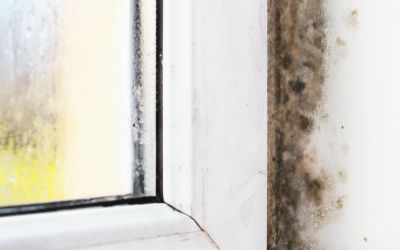
Many think only “black mold” is dangerous because it can produce harmful toxins and mycotoxins. This misunderstanding can cause people not to take other types of molds seriously. Black mold, or Stachybotrys chartarum, emits harmful toxins. However, it is not the only type of mold that can create these dangerous substances.
Molds produce secondary metabolites as a defense against other microorganisms and insects. These compounds can cause disease and death in humans and other animals if exposure is significant. It’s important to know that molds producing these compounds vary widely in color, texture, and growth pattern. Common mold genera like Aspergillus, Penicillium, and Fusarium can produce these metabolites. Molds can appear white, green, blue, or black, so you can’t judge their potential danger by color alone.
Focusing only on black mold and overlooking other types can underestimate the health risks of mold exposure. Regardless of color, everyone should take all kinds of mold seriously. This is because toxic compound production is not limited to one type of mold or condition. Mold produces these compounds based on the material it grows on. This depends on humidity, temperature, and competition from other microorganisms.
For homeowners, any visible mold should trigger a professional evaluation. Relying on visual assessment or partial DIY removal can be misleading and potentially harmful. Professional mold experts have the tools to find and assess all types of molds, ensuring the cleanup process addresses all possible health risks.
Misconception 2: Mold Removal is Easy and Can Do It Without Professional Help
Many homeowners believe they can remove mold themselves. They think it just needs household cleaning products and some elbow grease. This misconception often comes from underestimating mold. Mold is resilient and can harm health, but you can handle minor mold problems independently. However, extensive infestations need professional mold removal help for many reasons.
Firstly, mold is not just a surface problem. Mold can get into porous materials like wood, drywall, and carpet. To remove it altogether, you need more than surface cleaning. Removing mold when it grows deeply with unique techniques and equipment is more accessible. Professionals often use tools like HEPA vacuums and antimicrobial agents.
Secondly, improper handling of mold can exacerbate the problem. Disturbing mold colonies during cleanup can release many spores into the air. Without proper containment and air filtration, mold spores can spread in your home, causing new mold growth in other areas. Professionals train in containment and spore control techniques to prevent such cross-contamination.
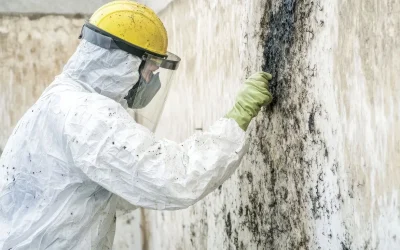
Moreover, certain types of molds produce mycotoxins, and handling them can pose serious health risks. During the mold removal, professionals wear personal protective equipment (PPE) and follow strict safety rules to protect themselves and the home’s residents. This is crucial for households with people sensitive to allergens or weakened immune systems.
Another critical aspect often overlooked in DIY mold removal is moisture management. Mold growth is closely related to moisture; mold will likely return if you don’t fix the moisture problem. Professionals not only remove the mold but also identify and rectify the sources of moisture that contributed to its growth.
It’s important to note that DIY mold removal is not safe or advisable, as it can lead to incomplete removal, improper handling of mold-contaminated materials, and potential health risks. Professional services ensure thorough and safe mold remediation, addressing both the visible mold and the underlying moisture issues.
Misconception 3: Once Removed, Mold and Mycotoxins Won’t Recur
It’s a common belief that once the mold is professionally removed from a property, it is gone for good. This misunderstanding can cause people to be complacent about the conditions that allowed the mold to grow in the first place. Mold recurrence presents a significant problem. If preventive measures are not consistently maintained, the same conditions that led to the initial infestation can trigger another outbreak.
Mold growth is intrinsically linked to moisture. Areas of a home prone to dampness, such as basements, bathrooms, and kitchens, are particularly vulnerable to mold. If you don’t fix problems that cause too much moisture, such as leaks, condensation, or poor ventilation, mold spores will grow again in the moist air.
After mold remediation, it is essential to maintain an environment that discourages mold growth. This involves controlling humidity levels—ideally, keeping indoor humidity below 60 percent—using dehumidifiers and providing proper ventilation in laundry rooms and kitchens. These measures can help maintain low humidity. Making sure bathrooms are well-ventilated also helps. Quickly fixing leaks and improving drainage can help prevent mold from returning, and using mold-resistant building materials during repairs or renovations can also help.
Regular mold inspections are another critical component of preventing mold recurrence. Even with preventive measures in place, small areas of mold can begin to develop without being immediately apparent. Regularly checking potential problem areas can catch new growth early before it becomes a more significant issue.
It is essential to know that mold is not the only problem. Harmful substances made by mold can stay on surfaces or inside porous materials even after the mold is gone. You must clean these materials thoroughly and sometimes replace them to keep your living space healthy.
Clearing up misconceptions about mold is essential. It’s critical for good home maintenance and health protection. Knowing when to call in a professional and addressing moisture problems can help keep your space safe from mold, mycotoxins, and their harmful effects. If you suspect mold in your home, consult a mold remediation expert to ensure it’s handled safely and effectively.
To stay current with us, please follow our Facebook and Instagram pages.