 All Dry Services of East Tennessee

 60 Min Response Time
Unexpected Impacts of Mold Exposure on Children
Mold is a common problem, especially in homes with children. The health risks of being around mold mean we must proactively stop and fix it. If we understand how mold can make indoor air terrible, we can do what’s required to keep our children safe and healthy at home.
Cognitive and Behavioral Changes
Mold exposure affects more than just physical health in children. It can also impact their thinking and behavior, which are important during their growing years. When children are around mold, harmful substances called mycotoxins from certain molds can interfere with their brain function and cause various brain issues. These toxins can make it hard for a child to understand things, making it challenging to learn, pay attention, and remember stuff. This brain trouble can show up in school as lower grades and having difficulty focusing, which might look like not trying or not caring about learning.
Moreover, the effect of mold on children’s behavior is increasingly becoming a concern. Research has found a connection between being around mold and kids experiencing mood swings, irritability, and other behavior changes. These drastic alterations affect a child’s personality and interactions with others.
Mold toxins can interfere with the production of brain chemicals called neurotransmitters. These chemicals, like serotonin and dopamine, control mood and behavior. If they’re affected, it can lead to mood swings and behavior problems in kids, making them feel anxious, sad, or aggressive. These issues don’t just affect how kids think and get along with others but can also cause lasting mental health problems if they keep being around mold.
Respiratory Health and Immune Response
Mold in homes is a big problem for kids’ breathing because their lungs and immune systems are still developing. They’re more likely to breathe in mold spores floating in the air, which can lead to allergic reactions like sneezing, coughing, stuffy noses, and itchy eyes. These symptoms can be mistaken for common colds or allergies. But if they’re around mold for a long time, it can lead to more serious breathing issues like asthma. Asthma is a lasting illness that makes the airways in the lungs swell and narrow, making breathing hard and causing wheezing. Sometimes, it can even be tough to catch your breath.
Mold exposure makes existing respiratory conditions worse and can also cause healthy children to develop asthma. Breathing in mold spores a lot can hurt the sensitive lining of the respiratory tract, making it more sensitive and likely to swell up. This weakens the respiratory system, making it easier to get infections and causing long-lasting breathing problems.
Beyond the immediate respiratory symptoms, mold exposure can have a broader impact on a child’s immune system. When kids are constantly exposed to mold spores, their immune system, which protects them from getting sick, can become overactive or weakened. This change in how the immune system works makes kids more likely to get infections and can make it take longer for them to get better from being sick. Also, the immune system’s focus on fighting mold can take resources from fighting other pathogens. This reduces the child’s overall immune strength.
With these possible health dangers in mind, it’s crucial for parents and caregivers to make sure kids’ living spaces are mold-free. Maintaining homes by controlling humidity, fixing leaks, and promptly addressing mold growth is crucial for safeguarding children’s respiratory health and immune systems.
Long-Term Health Consequences
The long-term health consequences of mold exposure in children are a growing concern, as these effects can extend far beyond the immediate symptoms. Spending much time near mold can cause lasting breathing problems and allergies. But it could also affect a child’s health and development more considerably, significantly impacting their overall well-being and growth.
Being around mold for a long time can make a kid’s immune system too sensitive to mold spores and other things that cause allergies. This increased sensitivity can cause children to have lasting allergic reactions like asthma, eczema, and rhinitis, which can affect their daily life. Treating these conditions often involves taking medicine for a long time, making lifestyle changes, and seeing the doctor often. This can be tough for both the child and their family.
Emerging studies also suggest a possible link between chronic mold exposure and the development of certain autoimmune disorders and neurological conditions in children. Research in this area is still evolving. However, the potential for mold to cause serious health issues shows the need for vigilance and prompt action in fixing mold problems.
To reduce these long-term risks, quickly finding and removing mold sources in the environment is important. Regularly checking homes, ensuring good airflow, and controlling moisture are essential ways to stop mold from growing.
The Importance of Mold Prevention and Remediation
The silent threat of mold in homes poses significant health risks, especially to children, underscoring the importance of prevention and remediation efforts. Preventing mold isn’t just about keeping a living area looking good and the people inside healthy and safe. By knowing the dangers of mold and using ways to stop it from growing, parents and caregivers can make a safer place for kids to be.
Preventive measures against mold include keeping the home low in humidity. Ensure good ventilation and fix leaks quickly to avoid the moisture that mold thrives on. Regular cleaning and inspections can also prevent mold spores from taking hold and increasing. Places like bathrooms, kitchens, and basements are more likely to get mold, so paying extra attention is essential. Using dehumidifiers and fans and ensuring air can move around well in the house helps prevent mold from growing.
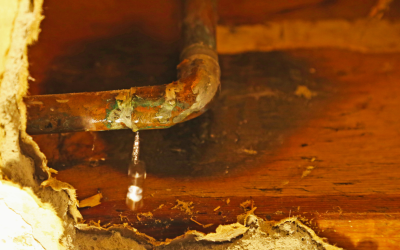
When you find mold, it’s important to fix it quickly to prevent it from spreading and reduce the health risks. This usually means finding where moisture is coming from, fixing it, and safely getting rid of things that have mold on them. If there’s a lot of mold or it’s really bad, professional mold remediation services may be necessary to remove it and ensure the place is safe again.
Educating oneself about the dangers of mold and the signs of mold exposure is vital. Knowing about mold helps parents and caregivers act quickly. It keeps kids from dealing with the lasting health problems of being around a lot of mold. The health effects of mold, especially for kids, can be serious, but taking the proper prevention and fixing steps can mostly stop them.
Ultimately, investing in mold prevention and remediation is an investment in the health and future of children. By making sure our living spaces are accessible from mold, we can keep our youngest and most vulnerable safe from the dangers of being around mold. This helps them have a healthy start for growing up and developing.
Don’t Let Mold Take Over Your Space!
Discover the hidden threats in your home or office with our professional mold inspection services. Act now to safeguard your health and property. Get your FREE estimate today! Our expert team is ready to provide you with a comprehensive and detailed assessment, ensuring your environment is safe and mold-free. Don’t wait for the problem to worsen – click here to claim your free quote and start your journey to a cleaner, healthier space!
To stay current with us, please follow our Facebook and LinkedIn pages.