 All Dry Services of East Tennessee

 60 Min Response Time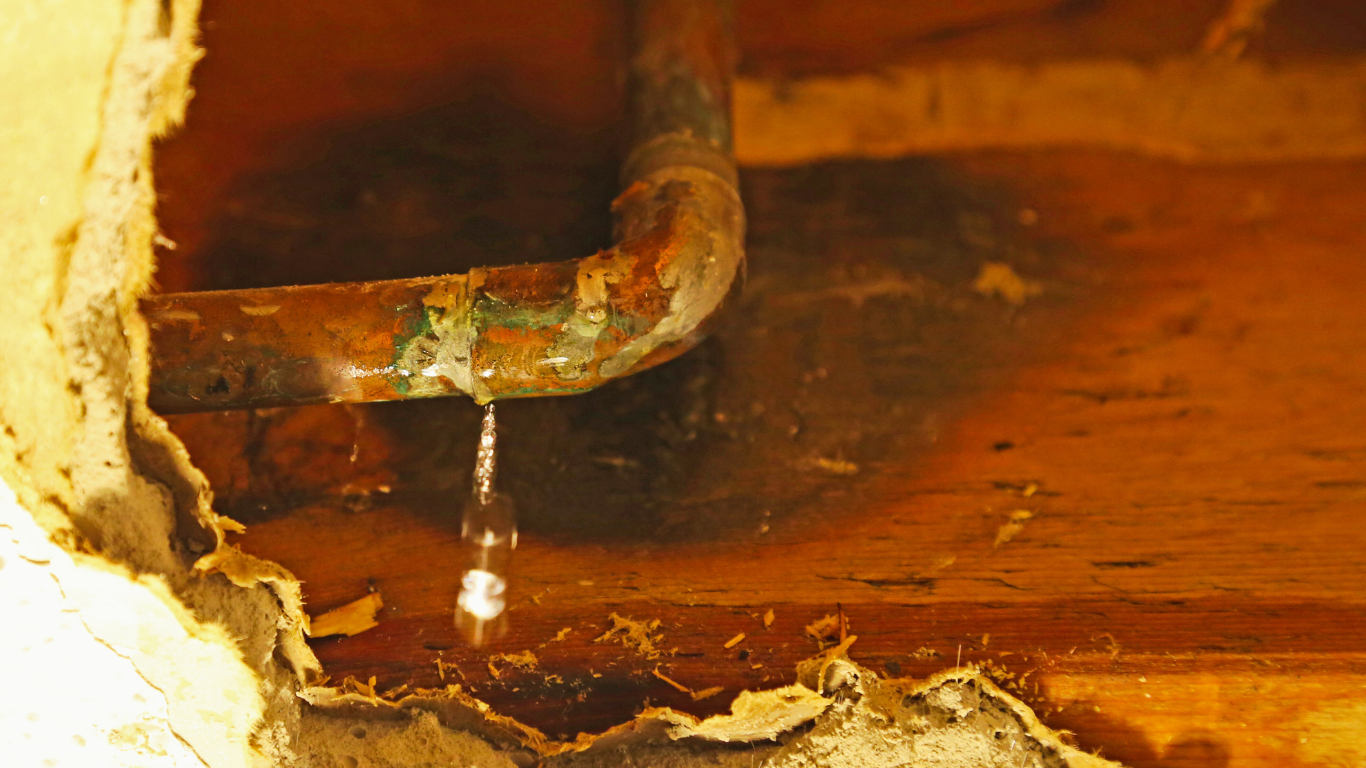
The Hidden Leak Seekers How Water Leak Detection Uncovers Sneaky Drips
Not all leaks announce themselves with a gush of water or a soaked floor. Some of them are a little more low-key—just quiet drips hiding behind walls or under floors, slowly causing damage while you go about your day. In East Tennessee, with its rainy seasons and older homes, it’s not unusual for leaks to remain hidden for a while. That’s where water leak detection comes in. It’s kind of like detective work for your house—and honestly, it’s pretty amazing what a trained eye and the right tools can uncover.
At All Dry East Tennessee, we’ve seen how even the most minor leaks can develop into significant problems if left unchecked. So we’re sharing what we know to help you stay ahead of the damage, whether you’re in Knoxville, Kingsport, or tucked up in the hills.
Why Small Leaks Turn Into Big Problems
However, as we have learned from experience, the slight, musty smell near the hallway or the soft, wet ground near the bathroom may be nothing. Here’s the catch: all these symptoms typically indicate that a slow leak is occurring somewhere in the vicinity. Slow leakages? They are elusive.
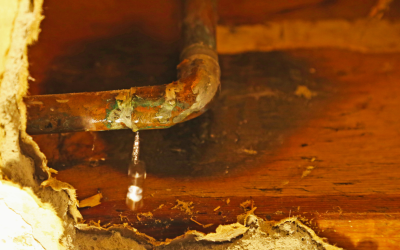
Over time, that drip can soak into drywall, flooring, or even your home’s foundation. Wood starts to rot, drywall crumbles, and mold can move in without you even knowing. The worst part? You might not notice until there’s real damage—and real repair bills.
Water also likes to play the long game. A tiny crack in a pipe may not seem like much, but if it remains hidden behind the wall for weeks or months, it can lead to warping, staining, or mold that spreads across your entire wall or ceiling. Water leak detection helps catch these issues early, so you’re not left with a major cleanup down the line.
Where Leaks Like to Hide Out
If you’re wondering where these leaks usually originate, we’ve some insider information. The most common places? Behind walls and ceilings. Water from a leaky pipe or appliance connection can drip into places you never see—until suddenly, there’s a stain or an unusual smell.
We also see leaks under sinks and around toilets, and tubs. Sometimes, it’s just a loose seal or worn-out fitting. But even minor issues like that can create hidden puddles beneath tile or subflooring.
Appliances like dishwashers, fridges with ice makers, and washing machines are also usual suspects. Since they’re pushed up against walls, you don’t always see the damage until it spreads. And if you have a crawl space or basement, those areas are leak magnets, especially after a heavy rainstorm in East Tennessee.
How the Pros Find the Leaks You Can’t See
At All Dry East Tennessee, we don’t knock holes in walls to find leaks. We’ve got better ways. Our team uses tools like moisture meters and thermal cameras to check for signs of water behind walls or under floors, without tearing anything apart.
Acoustic listening devices help us hear drips and water movement inside pipes. In more complex cases, we may use infrared imaging or conduct a quick pressure test to pinpoint the location of the water leak. All of this helps us get answers fast—and figure out the best fix without making a mess.
Water leak detection isn’t about guesswork. It’s about identifying the problem before it worsens and knowing precisely what needs to be done to prevent it from happening.
How to Tell if You Might Have a Hidden Leak
You don’t need fancy tools to spot the early signs of a hidden leak. You have to pay attention to the little things your home might be trying to tell you. For example, if your water bill suddenly jumps but you haven’t changed your habits, there could be a leak somewhere in the plumbing.
Musty smells or that “wet towel” scent can also be a big clue. Warped floors, peeling paint, or a soft spot near a wall or appliance are worth checking out. And if you’ve mold appearing in areas that don’t usually get wet, that’s a huge red flag.
If you notice more than one of these signs, it might be time to call someone who knows what to look for.
Why It’s Better to Call in the Experts
We get the urge to figure it out yourself—maybe poke around with a flashlight, check under the sink, and hope for the best. But with hidden leaks, there’s a lot you can’t see without the right tools. And when the leak’s been going on for a while, surface-level fixes won’t solve the deeper issue.
That’s why water leak detection from professionals like our team at All Dry East Tennessee can make such a difference. We’ve seen leaks hide in places you’d never expect—under staircases, inside HVAC units, and even in seemingly dry walls. We don’t just guess—we find, confirm, and fix.
Additionally, preventing a leak means avoiding the stress of mold, damage, and expensive repairs. It’s just one of those situations where calling someone who does this every day is a smart move.
Stop the Drip Before It Drenches Your Wallet
Hidden leaks don’t always shout for attention, but they do leave clues. If you catch them early, they’re usually an easy fix. But if you wait too long, those little drips can turn into a soaked floor, damaged walls, or even mold.
If anything in this post sounds familiar—maybe you’ve got a smell you can’t figure out or a water bill that doesn’t add up—it might be time to do a little digging. And if you need help, the team here at All Dry East Tennessee is always happy to step in. We’re locals, just like you, and we understand the importance of keeping your home safe, dry, and comfortable.
To stay current with us, please follow our Facebook and LinkedIn pages.