 All Dry Services of East Tennessee

 60 Min Response Time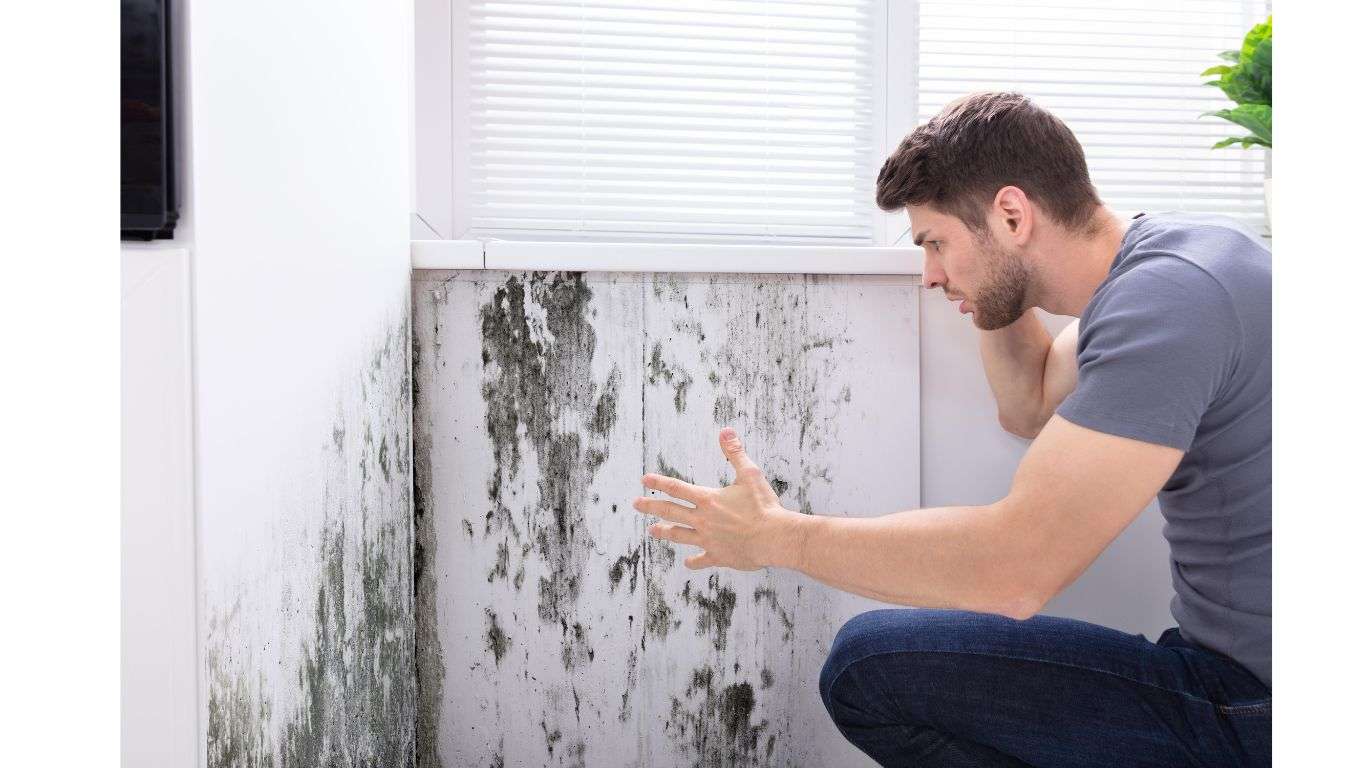
Identifying Early Warning Signs of Mold In Your Residence
Mold in your home isn’t just an unsightly issue; it’s a health hazard. Knowing how to spot the early warning signs of mold can help you tackle the problem before it becomes severe. Here are three key areas to keep an eye on:
Musty Odors: Nature’s First Alert
You should never ignore the presence of a musty odor in your home, as it is one of the earliest indicators that mold may be lurking. This smell is distinctive, often described as earthy, damp, or like wet socks. It’s particularly noticeable in areas where moisture accumulates, and ventilation is poor. Here’s how to effectively deal with musty odors and the hidden mold they signify:
Identify the Source
Start by identifying where the smell is most potent. Common culprits include basements, under sinks, around windows, and in bathrooms. These areas are prone to moisture, making them prime spots for mold growth.
Inspect for Mold
Once you’ve pinpointed where the odor is most potent, conduct a thorough inspection for visible signs of mold. Look for discoloration on walls, ceilings, and floors. Pay special attention to corners and hidden areas where mold might grow unnoticed.
Address Moisture Issues
Moisture control is key to preventing mold. Fix leaks immediately, ensure good ventilation, and consider using dehumidifiers in damp areas. Simple actions like opening windows and using exhaust fans can significantly reduce indoor humidity.
Clean or Discard Affected Items
If you find mold on removable items such as rugs, curtains, or clothing, clean them thoroughly. In some cases, especially with porous materials, you might need to discard them to completely remove the mold threat.
Seek Professional Help if Needed
For persistent musty odors or if you’re unable to locate the mold source, call in professionals. They can conduct a more thorough inspection and recommend solutions to eliminate both the mold and its accompanying smell.
Prevention Tips
-
Regularly check for leaks and repair them promptly.
-
Use dehumidifiers in areas that tend to be damp.
-
Ensure your home is well-ventilated, especially in kitchens, bathrooms, and laundry rooms.
-
Clean and dry any wet areas within 24-48 hours to prevent mold growth.
By staying vigilant and addressing the first signs of a musty odor, you can catch mold before it becomes a larger issue. This proactive approach keeps your home smelling fresh and protects its structural integrity and your health.
Visible Growth: Seeing Is Believing
When mold makes itself known through visible growth, it’s a clear signal that immediate action is necessary. Mold can manifest in a variety of appearances, making it sometimes tricky to identify. Here’s how to recognize and address visible mold growth effectively:
Recognizing Mold
Mold isn’t always the classic green or black; it can appear white, orange, or even purple. It might look fuzzy, slimy, or powdery on walls, ceilings, floors, or personal belongings. Sometimes, what seems like a harmless stain may actually be mold.
Inspection and Identification
-
Inspect Susceptible Areas: Regularly check areas prone to dampness, such as bathrooms, kitchens, basements, and around windows.
-
Know what to look for: Mold forms patterns and may accompany discoloration or damage to surfaces.
-
Use Light: Shine a flashlight at an angle against walls; this can help reveal mold growth that isn’t immediately obvious.
Immediate Steps to Take
-
Isolate the Area: Prevent the spread of mold spores by closing doors or using plastic sheeting to seal off the affected area.
-
Wear Protective Gear: When cleaning mold, wear gloves, a mask, and eye protection to avoid exposure to mold spores.
-
Choose the Right Cleaner: A solution of water and detergent may suffice for non-porous surfaces. For tougher mold, consider using a mold-killing product. However, avoid mixing chemicals and follow all safety instructions.
Professional Removal
For extensive mold growth or if the mold is in hard-to-reach places, it’s wise to hire professional mold removal services. Professionals have the tools and expertise to remove mold safely and can advise on preventing future growth.
Preventing Future Growth
-
Control Humidity: Keep indoor humidity levels between 30-50% to deter mold growth.
-
Improve Ventilation: Use exhaust fans in bathrooms and kitchens to remove moisture.
-
Address Water Leaks: Promptly repairing leaks in roofs, windows, and pipes can prevent mold from gaining a foothold.
-
Dry Wet Areas Immediately: Whether it’s a spill, flood, or condensation, drying out wet areas within 24-48 hours is crucial to prevent mold growth.
By recognizing the visible signs of mold growth, you can protect your home and health from the adverse effects of mold. Understand the necessary steps for removal and prevention.
Health Symptoms: Listen to Your Body
Finding mold in your home can really affect your health. It can cause mild allergy symptoms or even more severe breathing problems. Knowing these signs is essential so that you can recognize if mold has exposed you and take action.
Common Symptoms of Mold Exposure
-
Allergic Reactions: Many individuals experience sneezing, runny or blocked noses, itchy eyes, and skin rashes.
-
Respiratory Problems: Those with asthma or chronic respiratory conditions may notice worsened symptoms, including difficulty breathing, coughing, and wheezing.
-
Fatigue and Headaches: Prolonged exposure to mold can lead to general feelings of malaise, including unexplained fatigue and persistent headaches.
Identifying Mold-Related Health Issues
-
Track Symptoms: Note when and where symptoms occur. If you find that symptoms improve when you’re away from home, mold might be the cause.
-
If you suspect that mold exposure is causing your symptoms, consult a doctor or healthcare professional. They can help diagnose the issue and suggest appropriate treatment.
Addressing Health Concerns
-
Remove the Source: The most effective way to alleviate mold-related health issues is to remove the mold from your environment.
-
Improve Indoor Air Quality: Air purifiers with HEPA filters reduce airborne mold spores. Ensure good ventilation throughout your home.
-
Seek Medical Treatment: Doctors may recommend antihistamines or nasal sprays for allergies. Asthma sufferers might need to adjust their medication. Always follow your healthcare provider’s advice.
Preventive Measures
-
Regular Home Inspections: Regularly inspect your home for signs of mold and moisture, especially in high-risk areas.
-
Use Mold-Resistant Products: When renovating or repairing your home, choose mold-resistant drywall and paints to reduce future risks.
-
Maintain Cleanliness: Regular cleaning can prevent mold growth, especially in damp areas like bathrooms and kitchens.
Understanding the health implications of mold exposure emphasizes the importance of early detection and removal. By listening to your body and taking prompt action, you can protect yourself and your family from the harmful effects of mold in your home.