 All Dry Services of East Tennessee

 60 Min Response Time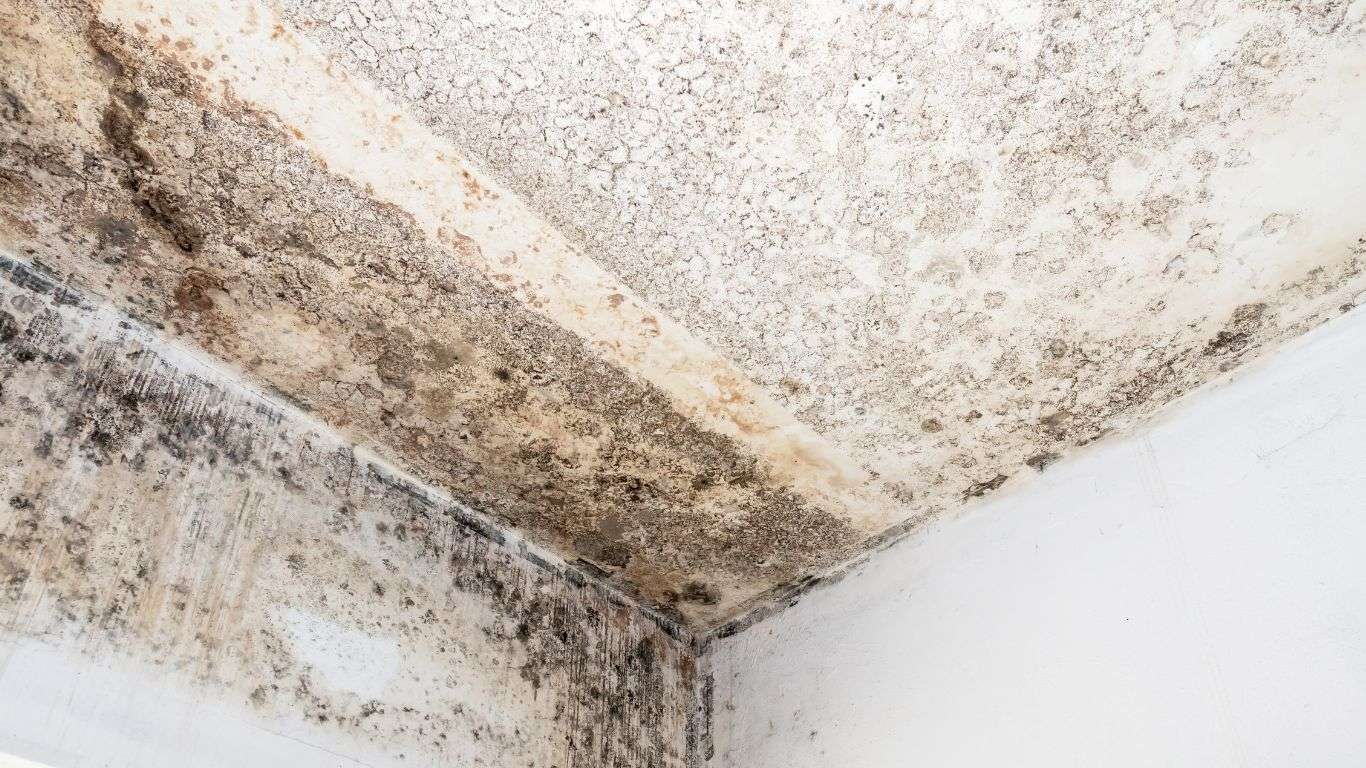
Distinguishing the Key Variations of Mold Removal and Mold Remediation
When dealing with mold in your home or business, the terms “mold removal” and “mold remediation” often arise. Although used interchangeably by some, they represent different processes in the battle against mold. Understanding the distinction is crucial for addressing mold issues effectively.
What is Mold Removal?
Removing mold involves removing the mold you can see from surfaces like homes, offices, or factories. It’s important because it helps keep the air inside healthy and prevents buildings from getting damaged. Mold, a type of fungus, thrives in moist conditions and can grow on various materials, including wood, paper, carpet, and food.
The Process of Mold Removal
The mold removal process begins with a thorough inspection to identify all areas of mold growth. Once we identify them, we prepare the affected areas for treatment. This may involve sealing off the area to prevent the spread of mold spores during the cleanup process.
The next step involves the actual removal of mold. This is typically done using specialized cleaning agents designed to kill mold and prevent its return. Depending on the extent of the damage, you may need to remove and replace infested materials, such as drywall or insulation.
After removing the visible mold, we cleaned and disinfected the area to kill any remaining spores and prevent future growth. This step may include using HEPA (High-Efficiency Particulate Air) vacuums to capture even the tiniest mold spores from the air and surfaces.
Challenges in Mold Removal
While mold removal can effectively eliminate visible mold, it has its limitations. Mold spores are microscopic and can remain in the air or settle on surfaces even after a thorough cleaning. If the underlying issue of excess moisture is not addressed, mold can quickly return.
Additionally, certain kinds of mold are very tough and can develop inside materials with tiny holes, making it hard to get rid of them completely. In such situations, experts may need to step in to remove the mold completely and lessen the health dangers of being around mold.
Importance of Professional Mold Removal
Experts in removing mold have the right tools, know-how, and experience to deal with serious mold problems safely and well. They can also find and fix the moisture problems causing mold growth, which helps solve mold issues for longer.
What is Mold Remediation?
Mold remediation is a comprehensive approach to resolving mold issues within a property. It involves addressing the mold growth and the underlying conditions that allowed it to establish itself. This method doesn’t just eliminate mold; it aims to stop it from returning in the future. It begins with figuring out where the moisture is coming from. Next, make sure the mold doesn’t spread. Then, remove the mold, clean and disinfect the area, and finally, take steps to prevent mold from returning.
The Steps of Mold Remediation
Several key steps break down mold remediation, each designed to tackle a specific aspect of the mold issue.
- The initial step is carefully checking the property for mold. This means using special tools to find hidden spots where moisture and mold might be hiding, such as inside walls, floors, and ceilings.
- We isolate the affected areas using physical barriers. We also use negative air pressure to prevent the spread of mold spores during the remediation process. This step is crucial in maintaining indoor air quality in unaffected parts of the property.
- We use high-efficiency particulate air (HEPA) filters and air scrubbers to clean the air of mold spores and other particulates. This helps to minimize health risks associated with airborne mold spores.
- We may employ various methods to remove mold, depending on the extent of the mold growth and the types of surfaces affected. This can involve treating with antimicrobial and antifungal solutions. You need to remove and dispose of mold-infested materials that are not salvageable.
- After removing the mold, we cleaned and disinfected the area to kill any remaining spores and remove mold stains and odors. This step also includes cleaning items and surfaces that came into contact with mold.
- In the final step of the remediation process, we repair or replace damaged or removed materials. You may need to replace drywall, flooring, and other building materials to restore the property to its original condition.
- To fix the mold issue, it’s crucial first to tackle the moisture problem that allows it to grow. This might mean fixing leaks, improving ventilation, and controlling humidity to prevent mold from returning.
The Importance of Professional Remediation
Professionals often need expertise in cases of extensive mold growth. They also need it when they encounter mold in HVAC systems and other complex building parts. This is necessary to perform the specialized process of mold remediation. Professionals can safely and effectively manage the remediation process, from initial assessment to prevention, to comprehensively address the mold issue.
Choosing the Right Approach
Deciding between mold removal and mold remediation depends on various factors. These include the extent of the mold growth, the areas affected, and the underlying causes of the mold. Understanding the nuances of each approach can help property owners make informed decisions. This can help them address the immediate problem and safeguard against future issues.
Assessing the Mold Situation
The first step in choosing the right approach is accurately assessing the mold situation. This involves considering the size of the mold growth and the types of surfaces affected. Also, whether the mold results from a one-time event or an ongoing moisture problem.
- If the mold only affects a small area and remains confined to the surface of materials, simple mold removal might suffice. This is often the case with mold that develops after a single incident of water exposure, such as a spill that was not promptly cleaned up.
- Mold remediation is necessary when mold growth is extensive, covers a large area, or has penetrated deep into materials. We must address this situation to prevent future growth, which usually indicates a persistent moisture problem.
Considering Health and Safety
The presence of mold can have health implications, especially for individuals with allergies, asthma, or compromised immune systems. When deciding on an approach, consider the health and safety of the building’s occupants:
- Mold Removal: This may be adequate for minor issues that do not significantly impact indoor air quality.
- Mold Remediation: Essential in cases where mold growth could affect the health of occupants, as it includes steps to purify the air and remove allergens.
Long-Term Solutions and Prevention
The ultimate goal of addressing mold is to remove what’s visible and ensure it doesn’t return. This requires identifying and correcting the underlying moisture problems that allowed the mold to grow in the first place.
- Mold Removal: Offers a quick fix but does not address the root cause. Without addressing the moisture source, mold is likely to return.
- Mold Remediation: Includes efforts to identify and rectify moisture issues, providing a more permanent solution to mold problems.
Professional Consultation
When in doubt, consulting with a mold remediation professional can provide clarity. Experts can assess the severity of the mold issue. They can recommend the most appropriate course of action and implement solutions considering immediate and long-term needs.